Blog

  • Where to Buy Grinds Coffee Pouches

    Where to Buy Grinds Coffee Pouches

    Grinds coffee pouches deliver a real caffeine kick without tobacco, nicotine, or a coffee maker. If you are trying to figure out where to buy Grinds, the short answer is that most sales happen online through the brand’s own site or Amazon, with spotty shelf space at independent corner stores, baseball pro shops, and tobacco retailers. Big-box chains still have not picked up the product in a serious way, so knowing where to look saves you time before you drive around town.

    Here is a buyer’s rundown of every realistic retail channel, which flavors to start with, and what to avoid when you shop.

    This page contains affiliate links. We may earn a commission at no extra cost to you.

    What Grinds Coffee Pouches Are and Who They Are For

    Grinds are small, flavored oral pouches filled with real ground coffee instead of tobacco leaf. Pat Pezet and Matt Canepa launched the brand in 2009 after pro baseball teammates pushed for a safe alternative to smokeless dip. Each can holds roughly 18 pouches, and one tin carries the caffeine equivalent of four to five cups of brewed coffee. You tuck a pouch between your lip and gum, the caffeine absorbs through the tissue, and you swallow or spit the saliva the way a dipper would.

    Beyond caffeine, each Grinds pouch adds B-vitamins, taurine, and guarana, the same stack found in many shelf energy drinks. The founders pitched the brand on Shark Tank in 2014, and Major League Baseball’s rule-change conversation around smokeless tobacco (see the CDC’s note on smokeless tobacco) gave the product a real tailwind. Today the audience is wider than the dugout: truckers, college students, shift workers, hunters, and anyone who wants portable, discreet caffeine without a to-go cup. For full ingredient and nutrition details, check their info page.

    What to Look For: Flavors, Caffeine Level, and Packaging

    Flavor family. The lineup breaks into two groups. Coffee-forward options include Mocha, Vanilla, Caramel, Maple Bourbon, and Cinnamon Roll. Tobacco-mimic options, designed for former dip users, include Wintergreen and Mint Chocolate. If you are switching off smokeless, start with Wintergreen because the mouth feel tracks closest to a traditional chew.

    Caffeine per pouch. Strength ranges from 20 mg to 50 mg of caffeine depending on the flavor and the Energy, Lite, or original formula. The can label lists the total per tin. If you are sensitive to stimulants, start with the Lite line or cap yourself at one pouch per hour.

    Can size and count. A standard tin holds 18 individual pouches. Bulk sleeves of five tins run on subscription, and variety packs with three or four different flavors ship in a single box for sampling.

    Freshness date. Check the printed date on the bottom of the tin. Pouches taste best within about nine months of production; older stock at independent shops can go stale and lose flavor punch.

    Tobacco-free labeling. Every authentic Grinds can states clearly that the product contains zero nicotine and zero tobacco. That label matters for workplace testing, gym bags, and checked luggage.

    What to Avoid When Buying Grinds Coffee Pouches

    Third-party marketplace sellers with no seller rating. Pouches shipped loose or from unknown vendors on eBay, Walmart Marketplace, or smaller resellers can arrive expired. Buy from Grinds directly or a verified Amazon listing sold or shipped by Amazon.

    Confusing Grinds with nicotine pouches. Shelves at gas stations mix these with Zyn, On!, and other nicotine products. Read the can. Grinds contain caffeine and zero nicotine; the competing tins do the opposite.

    Ordering a single flavor blind. Mouth-absorbed flavor hits differently from a brewed cup. A flavor that sounds great in a mug (Mocha, Caramel) can taste syrupy when it sits on the gum line for 20 minutes. Test a variety pack first.

    Doubling up on pouches. New users sometimes stack two pouches thinking the kick will be faster. Absorption is gradual, not instant, so a second pouch means a double dose of caffeine hitting your system 15 minutes later. One at a time is the right pace.

    Where to Buy Grinds Coffee Pouches In Store

    Physical retail is the weaker channel for this brand. Walmart, Target, CVS, and Walgreens do not stock Grinds at the national level as of 2026. Big-box chains have sidestepped the category because the product sits in an awkward middle ground between tobacco alternatives and energy supplements, which makes shelf placement tricky for buyers who manage one or the other.

    Grinds Store Locator

    The most reliable way to find a tin near you is the official Grinds Store Locator. Enter your zip code and the map returns every authorized local retailer. In most regions, the results skew toward independent corner stores, smoke shops, and small convenience stops rather than national chains.

    Baseball and Sporting Goods Shops

    Because of the brand’s baseball heritage, batting cages, minor-league team stores, and sporting goods retailers in baseball-heavy regions sometimes carry a rotating flavor or two. Dick’s Sporting Goods does not stock them chain-wide, but a handful of locations and pro shops near spring-training facilities do.

    Tobacco and Vape Retailers

    Independent tobacco shops and vape stores are the most consistent brick-and-mortar channel. Staff often recommend Grinds to customers trying to step away from dip. Selection is usually Wintergreen and Mocha; less-common flavors are rarer.

    Convenience Stores and Truck Stops

    Truck stops like Pilot, Love’s, and TA sometimes stock a single flavor next to the energy-drink cooler, but inventory is spotty and varies by region and driver demand. Call ahead before a specific stop.

    Military Exchanges and Base Stores

    AAFES and Navy exchanges on some bases carry the tins in the tobacco aisle as a nicotine-free alternative for service members. Availability depends on the base buyer, but this channel is worth a check if you are stationed somewhere with limited off-base retail.

    Tip. Phone ahead to any independent retailer before driving over. Small shops rotate stock weekly, and a store listed on the locator may be between reorders on the day you visit.

    Where to Buy Grinds Coffee Pouches Online

    Online is where the vast majority of buyers land, and two sources handle almost all of that volume.

    GetGrinds.com (Direct)

    The brand’s own storefront is the widest selection and the freshest stock. Starter and variety bundles run between $21 and $32, individual tins start near $11.99 with a three-can minimum, and a subscribe-and-save option shaves roughly 15 percent off recurring orders. Limited-run flavors (seasonals, collaborations with MLB players) drop here first. Browse the full range on the GetGrinds.com flavors page.

    Amazon

    Amazon carries most of the regular lineup through this storefront search #ad. Per-can prices tend to run slightly higher than buying direct, but Prime shipping, easy returns, and buyer reviews make it convenient if you already have a Prime membership. Stick to listings sold or shipped by Amazon to avoid third-party resellers with old stock.

    Walmart.com and Target.com

    Walmart.com and Target.com occasionally list Grinds through third-party marketplace sellers. Selection is narrow (usually one or two flavors), prices are higher, and shipping times vary. Treat these as backup options if the brand and Amazon are both out of your preferred flavor.

    Specialty Baseball and Outdoors Retailers

    A small number of independent online retailers aimed at baseball players, hunters, and trucking communities stock the brand as part of their lineup. Prices match or slightly beat Amazon on single tins, and the shipping times are generally solid. Use these if you want a smaller seller relationship and do not mind paying full retail.

    Top Picks: Best Grinds Coffee Pouches to Buy in 2026

    Best overall: Grinds Variety Pack. Four assorted flavors in one box, the simplest way to learn which profile works for your palate before committing to a full sleeve. Expect a price around $28 to $38 on Amazon #ad or direct from the brand.

    Best for former dip users: Grinds Wintergreen. The closest match to traditional smokeless tobacco in mouth feel and cooling flavor. Most ex-dippers settle on this one as the daily-use can. Around $12 to $16 per tin on Amazon #ad.

    Best coffee-forward flavor: Grinds Mocha. Rich chocolate-and-espresso profile that holds up well through a long pouch session. A safe first pick if you already drink mochas regularly. Around $12 to $16 per tin via Amazon #ad.

    Best for sweet-coffee drinkers: Grinds Vanilla. Clean vanilla bean without the syrupy heaviness some flavored pods have. Milder overall than Mocha or Caramel, so it pairs well with an afternoon pouch. Around $12 to $16 per tin on Amazon #ad.

    Best dessert flavor: Grinds Caramel. Sweeter and richer than Vanilla, closest in profile to a caramel macchiato. Works well as a mid-day treat pouch; can be heavy if you use it all day. Around $12 to $16 per tin via Amazon #ad.

    If you are interested in other caffeinated alternatives, the powdered drink brand G Fuel serves a similar energy market, and lovers of bean-based snacks might check our guide on chocolate covered coffee beans or our specialty coffee products list.

    Frequently Asked Questions

    Are Grinds Coffee Pouches safe to swallow?

    Yes. The saliva generated while using a pouch is essentially coffee-infused liquid, and swallowing it is fine. The ingredients are food grade, and the brand confirms on its site that both swallowing the saliva and accidentally swallowing a whole pouch are safe for healthy adults.

    How much caffeine is in one pouch?

    Each pouch contains roughly 20 to 50 milligrams of caffeine depending on the flavor and formula. A full tin delivers the caffeine equivalent of four to five cups of brewed drip coffee spread across its 18 pouches.

    Did Grinds appear on Shark Tank?

    Yes. Founders Matt Canepa and Pat Pezet pitched Grinds on Shark Tank in 2014 and walked out with a deal. The national TV exposure widened the audience well beyond the baseball clubhouses where the product started.

    What flavors do Grinds come in right now?

    The regular lineup includes Mocha, Vanilla, Caramel, Maple Bourbon, Cinnamon Roll, Mint Chocolate, and Wintergreen, plus rotating seasonal releases. Variety bundles on GetGrinds.com let you sample four flavors at once without buying four full cans.

    Can Grinds help me quit smokeless tobacco?

    Many former dip users report success using these pouches as a replacement. The oral-pouch format keeps the hand-to-mouth habit and the familiar lip feel, while caffeine provides a mild stimulant effect in place of nicotine. These are not an FDA cessation product, but the zero-nicotine, zero-tobacco formula removes the addictive substance that smokeless dip delivers.

    Does Walmart or Target sell Grinds?

    Not through their physical stores as of 2026. Walmart.com and Target.com sometimes list tins through third-party marketplace sellers, with limited flavor choice and higher prices. For reliable fulfillment, order from GetGrinds.com or Amazon directly.

    Final Word on Finding Grinds Coffee Pouches

    Where to buy Grinds coffee pouches comes down to two reliable lanes: the brand’s own site for the widest flavor range and freshest stock, and Amazon for fast shipping on the most popular tins. In-person shopping is a bonus, not a plan, so check the official store locator before you make a drive. Whether you grab a variety pack to test flavors or commit to a sleeve of Wintergreen, the right Grinds coffee pouches are worth a little planning to find.

    Reviewed by the wheretobuyguides.com editorial team. Last updated: April 2026.

  • Where to Buy Gaming Computers

    Where to Buy Gaming Computers

    Gaming computers deliver the raw processing power and dedicated graphics hardware that standard office PCs cannot match. Whether you want a prebuilt desktop, a portable laptop, or a fully custom tower assembled from individual computer parts, dozens of retailers stock them online and in stores. This guide breaks down where to buy gaming computers in 2026, what to look for, and how to avoid overpaying for specs you do not need.

    This page contains affiliate links. We may earn a commission at no extra cost to you.

    What Gaming Computers Are and Who Needs One

    A gaming computer is a PC built around a discrete graphics card (GPU), a high-performance processor, and enough memory to handle modern titles at playable frame rates. Hardware choices separate a capable rig from a basic office machine, and those choices drive pricing from $600 past $4,000.

    The audience is wider than most realize. Esports players, streamers, 3D artists, video editors, and CAD users all benefit from the same discrete-GPU architecture. If your work involves real-time rendering or GPU-accelerated software, a purpose-built rig pays back its premium quickly.

    What to Look For: Features and Buying Criteria

    Graphics card (GPU). The single biggest performance lever. Cards from NVIDIA (GeForce RTX 40 and 50 series) and AMD (Radeon RX 7000 and 9000) handle rendering loads integrated graphics cannot touch. An RTX 4060 or RX 7600 covers 1080p; an RTX 4070 suits 1440p; an RTX 4080 and above targets high-refresh 4K.

    Processor and memory. Pair the GPU with a current Intel Core i5/i7 or AMD Ryzen 5/7, 16 GB of DDR5 RAM minimum (32 GB if you stream), and dual-channel memory. Single-channel RAM is a common spec-sheet trap in budget prebuilts.

    Storage. A 1 TB NVMe SSD as the primary drive is now baseline. SATA SSDs and hard drives still appear in budget towers, but NVMe load times are noticeably faster. Plan for a second drive once your library passes 500 GB.

    Power supply and cooling. Sustained GPU and CPU load generates real heat. Reputable prebuilts include an 80 Plus Bronze or Gold PSU with headroom plus a tower or AIO liquid cooler. An RTX 4070 or higher system needs at least 650W; 750W gives you room to upgrade.

    Chassis and expandability. A mid-tower with standard ATX parts lets you swap the graphics card, add storage, or upsize the cooler three years from now. Slim-line and proprietary chassis block those upgrades, so confirm “standard ATX” on the spec sheet before buying.

    What to Avoid When Buying Gaming Computers

    Overbuying on the GPU. A flagship graphics card paired with 8 GB of RAM and a small SATA drive bottlenecks itself. Balanced specs beat one headline component every time.

    Undersized power supplies. Budget prebuilts often ship with 500W units that run hot under load and limit future upgrades. Look for 80 Plus certification and a trusted brand (Corsair, Seasonic, EVGA, FSP).

    Refurbished units without a verified warranty. Renewed and open-box systems save 20% to 40% only if they come from Amazon Renewed, Best Buy Certified, Dell Outlet, or the original manufacturer with a written return window. Private refurbs on marketplaces rarely cover dead GPUs.

    Marketing tiers that swap the GPU quietly. Two towers with the same product name can ship very different cards. Always confirm the exact GPU model, VRAM, and CPU generation on the spec sheet before checkout, not from the product headline.

    Where to Buy Gaming Computers in Store

    Best Buy

    Best Buy stocks hundreds of desktops and laptops built for players in most locations. You can walk in, test keyboards and displays, and leave with a machine the same day. Shelves carry CyberPowerPC, iBUYPOWER, HP OMEN, ASUS ROG, MSI, and Alienware. Open-box deals are worth checking since returned systems are often barely used. Best Buy also sells upgrade components if you would rather improve what you already own.

    Walmart

    Walmart carries roughly 200 systems online, though in-store selection is smaller. Shoppers find iBUYPOWER, CyberPowerPC, and HP OMEN models at competitive price points. Walmart’s strength is budget options under $800. Check for Black Friday and back-to-school promotions.

    Costco

    Costco sells a rotating selection of bundled systems from ASUS ROG, MSI, HP OMEN, and Lenovo Legion, often paired with monitors or two-year extended warranties at no extra cost. Members get a second-year manufacturer warranty extension on all computers, a quiet but real benefit for a $1,500+ purchase. In-store selection is smaller than Best Buy but the bundles are frequently cheaper on a total-cost basis.

    Micro Center

    If you live near a Micro Center, it is one of the best places to pick up a rig or build your own. Staff tend to be knowledgeable about specs and compatibility. Their in-store CPU and motherboard bundle deals are consistently cheaper than online prices, which makes Micro Center a favorite among custom builders. They also stock prebuilt Powerspec towers (the house brand) that undercut equivalent configurations by about 10%.

    Craigslist and Facebook Marketplace

    Craigslist, Facebook Marketplace, and OfferUp sometimes have used desktops at steep discounts. Advice from years of buying secondhand tech: always test in person before paying. Ask the seller to boot a title and watch the frame rates. Confirm that the GPU listed actually matches what is installed (GPU-Z reports the real model in 10 seconds). Cash deals save 30% to 50% off retail if you inspect.

    Where to Buy Gaming Computers Online

    Amazon

    Amazon lists over 60,000 products under a search for these machines. That includes complete desktops, laptops, and every individual component for a custom build. Filters narrow by processor, GPU, RAM amount, and rating. Prime members get free shipping, which helps when ordering a heavy tower.

    Dell and Alienware

    Dell sells systems for players under both its own name and the Alienware brand, which Dell acquired in 2006. Shop directly on Dell’s site for free shipping and a price-match guarantee. Alienware machines target the high-end market with premium chassis designs and top-tier specs. Dell’s G-Series covers the mid-range well if you want solid performance without the Alienware price tag.

    HP OMEN and Victus

    HP’s OMEN line focuses on refined designs and reliable build quality; HP Victus targets entry-level and mid-range buyers. The current selection includes both desktops and laptops. HP lets you filter by processor, graphics card, and price. Watch for percentage-off sales that rotate throughout the year.

    Newegg

    Newegg has been a go-to for PC builders since the early 2000s. They sell prebuilt desktops alongside a massive selection of parts. Their combo deals (pairing a CPU with a compatible motherboard at a discount) save on custom builds. Newegg also hosts user reviews with benchmark data. The ABS line is Newegg’s own prebuilt brand, usually priced below CyberPowerPC.

    NZXT BLD and Origin PC

    NZXT BLD, Origin PC, and Falcon Northwest specialize in made-to-order rigs with clean cable management, premium cases, and in-house warranty coverage. Prices run 10% to 25% above big-box specs, but you get build photos, component warranties passed through, and US support. Falcon Northwest is known for signature-painted towers from $3,000 to $6,000.

    Woot, eBay, and Amazon Renewed

    For refurbished and open-box stock, Amazon Renewed, Woot (Amazon-owned), Dell Outlet, and eBay’s Certified Refurbished program are the safer options. Each includes a 90-day minimum warranty and a documented return path. Savings typically land between 20% and 40% off original retail.

    Top Picks: Gaming Computers Worth Buying in 2026

    Best entry-level desktop: CyberPowerPC Gamer Xtreme. Intel Core i5 or Ryzen 5, RTX 4060, 16 GB DDR5, and a 1 TB NVMe SSD in a mid-tower with tempered glass. Around $900 to $1,100. Balanced config with standard ATX internals for future upgrades. Browse on Amazon.

    Best budget laptop: HP Victus 15. A 15.6-inch 144Hz display, Ryzen 5 or Core i5, RTX 4050 or 4060, 16 GB RAM, 512 GB SSD. Around $800 to $1,000. The closest a mainstream laptop gets to desktop-class 1080p at a real budget price. Check pricing on Amazon.

    Best mid-range desktop: iBUYPOWER TraceMesh. Ryzen 7 or Core i7, RTX 4070 or 4070 Super, 32 GB DDR5, 1 TB NVMe, mesh chassis with strong airflow. Around $1,500 to $1,800. The sweet spot for smooth 1440p with headroom for two GPU generations. See TraceMesh on Amazon.

    Best high-end desktop: Alienware Aurora R16. Core i9 or Ryzen 9, RTX 4080 Super or 4090, 32 GB DDR5, 2 TB NVMe, and Alienware’s liquid cooling in a quieter chassis. Around $2,500 to $3,500. Targets 4K at high refresh rates with factory overclocking and a full warranty. View Aurora R16 on Amazon.

    Best premium laptop: Razer Blade 15. A 15-inch QHD 240Hz panel, Core i7 or i9, RTX 4070 or 4080, 32 GB RAM, and a machined aluminum chassis at 4.4 pounds. Around $2,000 to $2,800. The benchmark for portable performance. Lenovo Legion Pro 7 is a strong AMD alternative. Razer Blade 15 on Amazon.

    Prebuilt vs. Custom Built: Which Route Makes Sense?

    Prebuilt desktops from CyberPowerPC, iBUYPOWER, and Alienware come ready to play out of the box. You get a warranty, customer support, and zero assembly. The tradeoff is that manufacturers sometimes pair a strong GPU with a weaker PSU or slower RAM to hit a price point.

    Custom builds cost roughly the same (sometimes less) and let you pick every component, case size, and cooling solution. The downside: you need to research compatibility, assemble everything, and troubleshoot without a single support line. First-time builders should budget 2 to 3 hours for assembly and expect a learning curve.

    A middle path: made-to-order shops NZXT BLD, Origin PC, and Falcon Northwest assemble a fully custom config for you. You pick every part; they build, test, and warranty the whole machine. Pricing runs 10% to 25% above big-box prebuilts, but you get personalization without assembly risk.

    Frequently Asked Questions

    What was the first gaming computer?

    The history goes back further than most realize. MIT researchers played Spacewar! on a PDP-1 mainframe in 1962, the earliest known instance of a PC used for play. For home use, the Apple II launched in 1977 and became the first widely adopted platform. The IBM PC followed in 1981.

    Is a gaming laptop as good as a desktop?

    Not quite. Laptops use mobile versions of GPUs and CPUs that run at lower power to manage heat in a thin chassis. A $1,500 laptop typically performs like a $1,000 desktop. You pay a premium for portability. If you play primarily at home, a desktop gives you more performance per dollar and easier upgrades down the road.

    How often should you upgrade a gaming PC?

    Most people get 3 to 5 years out of a mid-range build before titles start requiring lower settings. The GPU is usually the first component that needs replacing. RAM and storage upgrades can extend a system’s life another year or two without a rebuild.

    Can you finance a gaming computer?

    Yes. Best Buy, Dell, HP, Amazon, and Newegg all offer financing, from store credit cards to installment plans. Some offer 0% interest for 12 to 24 months if you pay the balance in full. Read the terms: deferred interest plans charge retroactive interest if you miss the payoff deadline.

    Do you need a gaming computer for streaming?

    Streaming adds CPU and encoding overhead on top of running the title. A mid-range system handles both tasks if you use GPU-based encoding (NVENC on NVIDIA cards). Budget streamers get away with a $900 to $1,200 build. Dedicated streamers typically run two PCs or a higher-tier system with at least an 8-core CPU.

    Reviewed by the wheretobuyguides.com editorial team. Last updated: April 2026.

    Finding the right place to buy gaming computers comes down to what matters most: hands-on testing at Best Buy, Costco, or Micro Center, the widest selection from Amazon or Newegg, or boutique customization from Dell, HP, NZXT BLD, Origin PC, and Falcon Northwest. Set your budget, decide between prebuilt and custom, and pick the retailer that matches your priorities. See our related guides on video games, a gaming mouse, headphones, and electronics.

  • Where to Buy Gallium

    Where to Buy Gallium

    Gallium is a soft, silvery post-transition metal that melts at 29.76 C (85.6 F), low enough that a solid chunk turns to liquid in the palm of your hand. That property has made this element a viral novelty, a science-fair staple, and a real industrial input for semiconductors. Below is where to buy gallium in 2026, how to read purity labels, and what to avoid when ordering online.

    This page contains affiliate links. We may earn a commission at no extra cost to you.

    What Gallium Is and Who Buys It

    Element 31 on the periodic table sits between zinc and germanium and stays liquid from 29.76 C up to about 2,400 C. French chemist Paul Emile Lecoq de Boisbaudran isolated it in 1875, predicted years earlier by Dmitri Mendeleev as the missing “eka-aluminium.”

    Three groups buy it today. Educators and science YouTubers want 20 to 50 gram vials for melt-in-hand demos and the famous spoon trick. Hobby metallurgists mix it into low-melting alloys like Galinstan, a gallium-indium-tin eutectic used in non-mercury thermometers. Semiconductor engineers buy industrial volumes because gallium arsenide (GaAs) powers LEDs, solar cells, and the radio-frequency chips inside nearly every smartphone. That steady industrial pull keeps small hobby quantities easy to source.

    A 20-gram 99.99% hobby vial usually runs $15 to $30. A 100-gram jar drops the per-gram price by roughly half. Below 99.9% you’re into reclaim stock, which is cheaper but streaky.

    Purity Grades: 4N Versus 5N

    Purity is the most important spec on a listing. Sellers use “N” notation, where the number counts how many nines follow the decimal. Hobby buyers almost always want 4N or better.

    • 3N (99.9%). Industrial reclaim grade. Fine for alloy experiments and Galinstan mixes, but can look dull and may contain trace aluminum, lead, or zinc.
    • 4N (99.99%). The hobby and classroom standard. Mirror-bright when solid, crystallizes cleanly, pours cleanly. Most Amazon listings fall here.
    • 5N (99.999%). Research and semiconductor-precursor grade. Sold by chemistry suppliers in sealed ampoules. Overkill for a melting demo, worth the cost for thin films or doping work.
    • 6N (99.9999%) and higher. Used for gallium arsenide wafer production. Rarely sold to the public and priced accordingly.

    Why the grade matters. Impurities show up as a grey skin after the second or third melt cycle. At 4N or better, the liquid stays mirror-clean for years. Below 3N, it oxidizes fast and loses the visual appeal that probably sold you on buying it.

    What to Avoid When Buying Gallium

    Most complaints about online orders trace back to five specific problems. Watching for them saves a return shipment.

    • Mislabeled alloys. Some Amazon listings use the word in the title but ship a gallium-indium-tin alloy (Galinstan) that stays liquid at room temperature. Galinstan has uses, but it never solidifies indoors, so the melt-in-hand trick fails. Look for “99.99% pure” or “pure Ga.”
    • Missing purity rating. If the listing doesn’t state a grade, assume it’s below 3N. Skip it.
    • Summer shipping without insulation. The metal liquefies in any delivery truck above 30 C. Reputable sellers ship with a cold pack from May through September. If the page doesn’t mention temperature-controlled shipping, order in cooler months.
    • Counterfeit “solid” ingots. Some sellers have been caught shipping a resin or lead-alloy chunk that looks right but won’t melt. The real element weighs about 5.9 g per cubic centimeter, less dense than lead. If a piece feels too heavy for its volume, be cautious.
    • International shipping limits. The element isn’t hazardous, but some carriers classify it as a specialty chemical and refuse delivery to Australia, New Zealand, and parts of the EU. Check the seller’s ship-to list before you pay.

    Can You Buy Gallium in Stores?

    No major US retailer stocks pure gallium in brick-and-mortar aisles. Walmart, Target, Hobby Lobby, Michaels, and Home Depot all skip the category. This is a chemistry-supply product, not a general retail one.

    A few exceptions. University bookstores near chemistry departments sometimes carry sample vials. Rock-and-mineral shops occasionally stock element collections with a labeled specimen. Science museum gift shops (the Exploratorium, the Museum of Science in Boston) sell souvenir vials tied to current exhibits. Call ahead, since stock is sporadic. For anything larger than a souvenir, you’ll need an online order.

    Where to Buy Gallium Online

    Five sources cover almost every use case, from a 15-gram hobby vial to a 1-kilogram lab order.

    Amazon

    Amazon is the easiest first stop for a small vial. Third-party sellers list 4N material in sizes from 15 to 100 grams, with Prime shipping on many SKUs. Stick with sellers that clearly state “99.99% pure” and have at least a few hundred reviews. Browse the Amazon selection to compare current options. #ad

    RotoMetals

    RotoMetals stocks the element in 20-gram, 100-gram, 500-gram, and 1-kilogram sizes. Seasonal sales knock 15 to 25 percent off bulk prices. If you also work with bismuth, indium, or silver, it’s worth a standing bookmark.

    Luciteria Science

    Luciteria Science sells element samples for collectors and classrooms. Vials ship with an information card, a labeled acrylic holder, and a certificate of purity. Expect to pay a little more per gram than Amazon, but the presentation is better for gifts.

    Solution Materials, LLC

    Solution Materials, LLC serves educators and researchers. They stock 15-gram bottles up to 1-kilogram bulk jars, all at 4N. Pricing scales linearly, making them the best value past the 100-gram mark.

    eBay

    eBay lists new and reclaimed stock. New-in-package listings from established sellers are usually fine; auction lots of “used” metal are a gamble. Confirm the purity in writing, and skip listings that don’t show the actual metal.

    Specialty Chemistry Suppliers

    For 5N or higher, skip consumer channels. Sigma-Aldrich (MilliporeSigma), American Elements, and Strem Chemicals sell research-grade material in sealed ampoules. Expect to submit a business or institutional account.

    Top Picks: Best Gallium Products of 2026

    Five selections cover the most common buying scenarios, from a first melt-in-hand demo to chemistry-grade research stock.

    Best overall: 20-gram 99.99% Pure Vial. A sealed glass or plastic vial of 4N metal is the ideal starter purchase. Enough material to pour a small ingot, run the melting demo twice, and keep some as a reference. Typically $15 to $25. Check price on Amazon, see the eBay listings, or shop RotoMetals.

    Best for hand demos: Melting Spoon Kit. Kits bundle a small quantity of 4N metal with a silicone spoon mold, a pour cup, and instructions for the classic disappearing-spoon trick. Roughly $20 to $35. Find on Amazon, check eBay, or search Walmart.

    Best bulk value: RotoMetals 100-Gram Ingot. A single 100-gram ingot at 4N, ideal for hobbyists mixing Galinstan or casting small sculptures. Around $50 to $70 depending on sales. Shop at RotoMetals, browse Amazon, or compare on eBay.

    Best for collectors: Luciteria Science Element Sample. A display-ready 4N vial sealed in clear acrylic with a certificate of purity. Around $25 to $40. Order from Luciteria or search Amazon for similar kits.

    Best chemistry-grade: Solution Materials 15-Gram 4N. A research-ready bottle suitable for teaching labs and independent chemistry projects. About $18 to $28. Order from Solution Materials, compare on Amazon, or browse eBay.

    Safety and Storage Notes

    The element is non-toxic and safe to handle with bare hands. The US Food and Drug Administration permits related compounds in a handful of approved medical imaging agents, which gives a sense of how benign the pure metal is. Still, a few practical rules keep your supply clean and your surfaces intact.

    1. Keep it away from aluminum. The liquid diffuses into aluminum grain boundaries and crumbles the metal through a process called liquid metal embrittlement. A drop on a soda can eats a visible hole within hours. Never pour it on foil, cookware, or airframe parts.
    2. Wash hands after handling. The residue is harmless but leaves a dark grey stain on clothing and countertops. Soap and warm water remove it from skin in seconds.
    3. Use glass or plastic containers. Both are inert. A small glass vial with a screw cap handles long-term storage. Keep it out of direct sunlight.
    4. Warm gently. A hair dryer, a mug of hot water, or body heat melt it. A stovetop or open flame overheats quickly, and vapor inhalation above 200 C is poorly studied. Stick to warm-water baths indoors.
    5. Watch for stains on fabric. Drop it on carpet or a shirt and the oxidized residue can set permanently. Work over a washable surface.

    If you enjoy experiments with unusual materials, our guide on where to buy dry ice covers another classroom favorite with dramatic visual results.

    Fun Experiments to Try

    The melt-in-hand demo is the obvious starting point, but the element lends itself to several other easy projects.

    • The disappearing spoon. Cast a spoon in a silicone mold, then stir a cup of hot tap water. The spoon liquefies mid-stir because the water sits above 30 C.
    • Mirror coating on glass. Rub a small piece onto clean glass with a soft cloth. It spreads into a thin reflective film and makes a decent low-cost mirror.
    • Supercooling demo. Melt the metal in a clean vial and chill it. It can stay liquid well below 29 C if nothing triggers nucleation. Tap the glass and it freezes instantly.
    • DIY Galinstan. Mix 68% gallium, 22% indium, and 10% tin by weight. The result stays fluid down to about -19 C and is used in modern medical thermometers.

    If metals and elements interest you, our guides on where to buy gold and copper mugs point to related sourcing options.

    Frequently Asked Questions

    Is gallium dangerous to touch?

    No. The element is non-toxic and safe for direct skin contact. It melts from body heat into a silvery liquid, leaving a dark grey residue that washes off with soap and water. The only real risks are staining fabric and corroding aluminum objects stored nearby.

    How much does a small amount cost?

    A 20-gram vial at 99.99% purity typically runs $15 to $30 from Amazon, eBay, RotoMetals, or Luciteria. Prices drop to about $0.50 to $0.70 per gram on 100-gram and larger orders. Semiconductor-grade 5N and 6N material is sold separately through chemistry suppliers at several times those prices.

    Does gallium damage other metals?

    Yes. It rapidly embrittles aluminum through liquid metal embrittlement, which is why aerospace manufacturers ban it near aircraft. It can also attack zinc, tin, and some steel alloys with prolonged contact. Store it in glass or plastic only.

    Can I ship it internationally?

    It depends on carrier and destination. Most US sellers ship freely within North America. Australia, New Zealand, and several EU countries classify the metal as a specialty chemical and require a commercial invoice. Check the seller’s ship-to list and your customs rules before ordering.

    What purity should I buy for a melting demo?

    99.99% (4N) is the sweet spot. It looks mirror-bright when solid, melts cleanly, and stays visually attractive through many cycles. Lower grades oxidize faster and develop a dull grey skin. Higher grades cost more without visible benefit for hand demos.

    Is it the same as Galinstan or mercury?

    No. Pure gallium is a single element that solidifies at 29.76 C. Galinstan is a gallium-indium-tin alloy that stays liquid at room temperature. Mercury is toxic, regulated, and not sold for hobby use in most of the United States. Only the pure element gives you the solid-chunk-melts-in-your-hand effect.

    Final Buying Tips

    Start with a 20-gram 4N vial from Amazon or RotoMetals if this is your first order of gallium. Spend an extra couple of dollars for a seller that ships with a cold pack between May and September, and set aside a glass jar and a silicone mold before the package arrives. Upgrade to a 100-gram ingot only after you’ve confirmed you’ll keep using it, and reserve 5N chemistry-grade stock for a project that genuinely needs the extra purity.

    Reviewed by the wheretobuyguides.com editorial team. Last updated: April 2026.

  • Where to Buy Frosty Paws: Local Stores, Online Options & DIY

    Where to Buy Frosty Paws: Local Stores, Online Options & DIY

    Finding Frosty Paws in 2026 is harder than it should be. These frozen dog treats from Nestle Purina ship to grocery freezers in irregular bursts, and loyal buyers run into empty shelves every summer. Knowing where to buy Frosty Paws, when stores restock, and which alternatives hold up when your Walmart is out can save frustrated driving. This guide covers local and online buying options, the Original, Peanut Butter, and Pumpkin varieties, and a homemade recipe for weeks when nothing is in stock.

    This page contains affiliate links. We may earn a commission at no extra cost to you.

    What Are Frosty Paws and Who Are They For

    Frosty Paws are lactose-free frozen snacks formulated specifically for dogs, not a repurposed human ice cream. Nestle Purina has produced them since 1979, and the recipe meets Association of American Feed Control Officials (AAFCO) guidelines for supplemental canine feeding. Each small cup contains dairy protein (whey), soybean oil, vegetable fat, and added vitamins and minerals. They are not a meal, they are a cool treat, the same way a dog biscuit is not dinner.

    The target buyer is the pet parent who wants a summer cooldown for a dog without the lactose and refined sugar in human ice cream. Most dogs lose the ability to digest lactose after weaning, so a spoonful of Ben and Jerry’s can trigger loose stool and gas. Purina’s formula swaps that out and keeps the texture creamy. Guidance from the American Veterinary Medical Association reminds owners that any novel treat should be introduced gradually.

    What to Look For When Buying Frozen Dog Treats

    Flavor variety. Purina produces three flavors: Original (vanilla base), Peanut Butter (the perennial best-seller), and a seasonal Pumpkin option that appears in late summer and fall. Pumpkin adds natural fiber and is a good pick for dogs with sensitive digestion. Stock of each flavor varies store by store.

    Ingredient label. A quality frozen pup cup lists whey or yogurt as a primary ingredient, includes no xylitol, no chocolate, no raisins, and no artificial sweeteners. Purina’s label is clean on all four counts. Always scan competitor brands for these red-flag ingredients before serving.

    Calorie load. A single four-ounce cup runs 70 to 90 calories. Toy breeds should split one cup across two servings, medium breeds can handle one cup, and large breeds tolerate a full cup without blowing their daily calorie budget.

    Packaging size. Standard boxes contain four cups. Some warehouse clubs stock multi-packs. Store-brand knockoffs ship in six-packs, a better per-cup value if the ingredient label checks out.

    Expiration and freezer burn. Frozen pet treats still degrade. A box with heavy ice crystals on the lid has probably been thawed and refrozen at some point in the supply chain. Pass on visibly compromised packaging even if your pup does not seem to mind.

    What to Avoid When Buying Frozen Pup Cups

    Substituting human ice cream. Even small servings of Ben and Jerry’s, Haagen-Dazs, or other dairy desserts can cause lactose-related digestive upset. Anything with xylitol (found in some low-sugar brands) is outright toxic and requires an emergency vet visit. Do not improvise.

    Buying the last dusty box on the shelf. Since these cups rotate slowly outside peak summer, the boxes that linger in the freezer case may sit past their quality window. Check the best-by date, and skip any box where the outer film feels loose or crumpled.

    Feeding a whole cup to a tiny dog. A four-ounce cup is too much for a Yorkie or Chihuahua in one sitting. Split across two sessions or cut the cup in half and return the remainder to the freezer in a sealed container.

    Online orders without insulation. Frozen goods shipped without dry ice and insulated liners arrive as a puddle. Only order from sellers who clearly ship frozen in insulated packaging, and schedule delivery for a day when someone is home.

    Where to Buy Frosty Paws In Store

    Walmart

    Your local Walmart freezer section is the most reliable source nationwide. Look in the frozen novelties aisle next to ice cream sandwiches and popsicles, not the pet food aisle. Use the Walmart app’s local stock checker before driving over. Supercenters generally carry these cups, while smaller Neighborhood Market locations may not.

    Target

    Some Target locations stock them, though availability is regional. Check the small frozen case near grocery pickup or the main frozen dessert section. Calling the store’s guest services line saves a wasted trip. SuperTarget stores with full grocery departments are more reliable than small-format urban Targets.

    Grocery Chains: Kroger, Publix, Safeway, Meijer

    Kroger, Publix, Safeway, Meijer, and regional chains carry the Purina pup cups in their frozen dessert sections. Kroger-banner stores (Fred Meyer, King Soopers, Ralphs, Smith’s, Harris Teeter) tend to have steady supply. Publix shoppers in the Southeast report reliable stock except during July and August heat waves. The official site has a zip-code store locator listing current retailers.

    Petco and PetSmart

    Petco and PetSmart do not consistently stock the Purina-branded cups. Their freezer real estate is usually reserved for in-house brands and specialty frozen raw diets. What you will find in pet specialty stores is a strong selection of alternatives, including The Bear and The Rat, Dogsters, and Freshpet dog yogurt cups, which are often easier to locate than the original brand.

    Where to Buy Frosty Paws Online

    Amazon

    Amazon lists multiple third-party sellers carrying the Purina pup cups, but frozen fulfillment is limited. Stock disappears and returns without warning. Setting a price-drop alert on camelcamelcamel or using Amazon’s in-app “notify me” button is the practical workaround. Shipping adds a notable premium because of dry-ice packaging requirements. For reliability, treat Amazon as a backup, not a primary source.

    Walmart Grocery Pickup and Delivery

    Walmart grocery pickup and home delivery is the smoothest online route. Add the treats to a regular cart and they arrive cold with your frozen goods. Orders over 35 dollars ship free for Walmart Plus members, which offsets the delivery fee on smaller grocery runs. Availability updates in real time based on your selected store’s inventory.

    Instacart, DoorDash, and Uber Eats

    Instacart, DoorDash, and Uber Eats pull live inventory from local grocery partners, often showing stock before the retailer websites update. Expect a small markup over shelf prices, plus service and delivery fees. These apps are the fastest option when you need a box before a weekend heat wave and do not want to drive. If you also browse frozen snack brands for yourself, you can bundle everything in one delivery and split the fee across the cart.

    Top Picks: Frozen Dog Treats Worth Buying

    Best overall: Purina Frosty Paws Original Vanilla. The classic formula. Lactose-free dairy base, added vitamins and minerals, and a neutral flavor that nearly every dog accepts on the first try. Around 4 to 6 dollars per four-pack at Walmart and Kroger when in stock. Check Amazon availability.

    Best flavor upgrade: Purina Frosty Paws Peanut Butter. The top-seller across delivery apps. Real peanut butter flavor with no xylitol, no artificial sweeteners. Dogs who hesitate at the vanilla version devour the peanut butter cup. Similar price range, 4 to 6 dollars per box. See Amazon listings.

    Best seasonal pick: Purina Frosty Paws Pumpkin. A fall-only flavor with natural pumpkin for extra fiber. Good for dogs with occasional digestive sluggishness. Harder to find outside of September through November, typically 5 to 7 dollars per box when available. View pumpkin options on Amazon.

    Best alternative brand: The Bear and The Rat Frozen Yogurt. Human-grade, hormone-free yogurt base in flavors like banana and peanut butter or sweet potato. Available at many independent pet boutiques and through Amazon. Higher price point, typically 6 to 9 dollars per four-pack, but solid when the Purina brand is missing from shelves.

    Best budget alternative: Dogsters Ice Cream Style Treats. Frequently stocked at Walmart and major grocery freezers alongside the Purina line. Lactose-free, vanilla and peanut butter flavors, usually priced under 4 dollars for a pack of four. Compare on Amazon.

    Homemade DIY Recipe for When Stores Are Out

    Store shelves dry up during July and August every year when demand spikes. A homemade version is straightforward and uses ingredients already in most kitchens. Combine 32 ounces of plain, full-fat yogurt (no xylitol, no added sugar), one ripe mashed banana, and two tablespoons of natural peanut butter (read the label to confirm zero xylitol). Blend until smooth, pour into silicone muffin molds or small paper cups, and freeze for four to six hours. Each mold yields roughly the same portion as a retail cup.

    For an autumn version, swap the banana for a quarter cup of canned pure pumpkin puree (not pumpkin pie filling, which contains spices and sugar). Always read ingredient labels on pet-safe treat options because xylitol and chocolate remain the two most common causes of canine emergency vet visits. Let any frozen treat sit at room temperature for two to three minutes before serving so your dog does not struggle with a solid block, and serve on a washable surface because melted residue on carpet is miserable to clean.

    Frequently Asked Questions

    Why are Frosty Paws so hard to find at my local store?

    Purina distributes the product through grocery freezer channels, not traditional pet food wholesalers. Stock is highest in spring and summer and thinnest in winter. Regional distribution also varies. Calling ahead or using a store’s app to verify stock prevents wasted trips, and the official brand store locator lists current retailers by zip code.

    Are Frosty Paws safe for all dog breeds?

    Yes. The ingredient list avoids lactose, xylitol, chocolate, and other common canine allergens. Dogs with known food sensitivities should try a small amount first, and dogs with chronic conditions like pancreatitis should skip frozen fat-containing treats entirely. Check with your veterinarian if you are unsure.

    Can humans eat Frosty Paws?

    Technically yes, the cups use food-grade ingredients and are produced in a pet-food-certified facility. They will not taste like Ben and Jerry’s to a human palate. The formulation targets canine preferences, which skew bland and fatty rather than sweet. There is no health reason to eat them, and no reason most adults would want to.

    Do they contain xylitol or chocolate?

    No. Purina specifically excludes xylitol, chocolate, grapes, raisins, and other substances toxic to dogs. Both the vanilla and peanut butter recipes have been reformulated over the years, but the exclusion list has remained consistent.

    What do they typically cost in 2026?

    A four-pack runs 4 to 6 dollars at Walmart and most grocery chains. Target and smaller chains price between 5 and 7 dollars. Amazon and delivery apps add a markup for shipping or service fees, which can push per-box cost above 10 dollars. Pumpkin flavor usually commands a one-dollar premium during its short seasonal run.

    Are there store-brand or generic versions?

    Dogsters is the closest generic-style competitor and shares freezer space with the Purina brand at many Walmart and Kroger stores. The Bear and The Rat occupies the premium end. No major grocery chain produces a private-label version yet. A homemade DIY recipe, covered above, is the most common workaround when the branded cups are sold out.

    Reviewed By

    Reviewed by the wheretobuyguides.com editorial team with reference to pet nutrition guidance from the American Veterinary Medical Association and the Association of American Feed Control Officials. Last updated: April 2026.

    Whether you shop a Walmart freezer aisle or place an Instacart order, knowing where to buy Frosty Paws and which alternatives to grab when the shelf is empty keeps your dog cool on hot afternoons. Stock up ahead of summer, keep a backup box in the freezer, and lean on the DIY recipe for weeks when even Amazon runs dry.

  • Where to Buy Fresh Pasta: Grocery, Specialty Shops, and Online

    Where to Buy Fresh Pasta: Grocery, Specialty Shops, and Online

    Fresh pasta is refrigerated or frozen dough made from flour and eggs (or flour and water) that cooks in two to four minutes and delivers a silky bite no shelf-stable box can match. This guide covers every practical place to buy fresh pasta, from the refrigerated supermarket aisle to Italian specialty shops, farmers markets, and online gourmet retailers, with specific brands, prices, and tips that save you from a disappointing dinner.

    This page contains affiliate links. We may earn a commission at no extra cost to you.

    What Fresh Pasta Is and Why It Is Worth Buying

    Fresh pasta is uncooked dough shaped into ribbons, sheets, or stuffed pockets and sold chilled rather than dried. The dough keeps moisture, which is why cook times drop to minutes and sauces cling better. Egg-based shapes like fettuccine, tagliatelle, and ravioli are traditional in Emilia-Romagna and do not translate well to a dried product.

    Four reasons people pay the premium:

    • Cook time. Two to four minutes, not eight to twelve.
    • Texture. A softer, slightly chewy bite that holds ragu without turning to mush.
    • Surface. Bronze-die and hand-rolled shapes have a rough exterior that grabs sauce.
    • Flavor. Generous egg yolk gives fettuccine and tagliatelle a golden color and richer taste.

    Durum semolina and “00” flour (a finely milled Italian flour) are the two grains most often used. Semolina gives a firmer bite; “00” produces a silkier dough.

    Refrigerated Aisle vs. Frozen Case

    Refrigerated product lives near specialty cheeses, deli meats, or the prepared-foods wall. Frozen product sits alongside entrees and pierogi. Both are “fresh” in the culinary sense, but they behave differently.

    FormatShelf lifeBest forWhat to watch
    Refrigerated3 to 5 weeks unopened, 3 days openedWeeknight meals, ravioli, tortelliniCheck sell-by date; cases sometimes stock product close to expiry.
    FrozenUp to 3 monthsStocking up, delicate shapes like agnolottiCook from frozen; thawing makes dough gummy.
    Deli counter2 to 3 daysSpecial dinners, fettuccine, pappardelleUse the day you buy it.

    Refrigerated picks. Buitoni, Giovanni Rana, and Whole Foods 365 dominate the chilled case at $4 to $7 per 9-ounce package.

    Frozen picks. Nuovo Pasta, Bertagni, and Seviroli make frozen ravioli and tortellini that rival the refrigerated aisle. Expect $6 to $12 per bag.

    What to Look for on the Package

    Quality varies more in this category than in dried, so read the label before you commit.

    • Ingredient list. Flour (semolina or “00”), eggs, water, salt. Long preservative lists or “modified food starch” signal a product engineered for shelf life, not flavor.
    • Color. Rich golden yellow signals real egg content. Pale or grayish sheets usually mean powdered egg or water-only dough.
    • Surface. A slightly rough, chalky feel through the package means bronze-die extrusion. A glassy surface means Teflon dies, which shed sauce.
    • Sell-by date. Pick packages with at least a week of life left; low-volume stores rotate slowly.
    • Origin. Italian-made product (especially Emilia-Romagna) often uses higher-gluten flour. U.S.-made is not automatically worse, but the label helps compare.

    What to Avoid When Buying Fresh Pasta

    A few common traps turn an exciting purchase into a disappointing dinner.

    Expired or near-expired packages. Egg dough breaks down fast. A package within 48 hours of the sell-by date often tastes sour.

    “Fresh” labeling on shelf-stable product. Some imported brands sit in the regular aisle in sealed plastic and call themselves fresh. Real refrigerated product must stay under 40 degrees Fahrenheit per USDA guidance. If it is not cold, it is not what you want.

    Vacuum-sealed tortellini with long shelf lives. A nine-month shelf life on tortellini means pasteurized filling and preservative-heavy dough. The texture is rubbery compared to true refrigerated versions.

    Frozen packages with ice crystals inside. Visible crystals mean the package thawed and refroze. The dough will be mushy and the stuffing leaky.

    Where to Buy Fresh Pasta in Grocery Stores

    Most chains keep a small chilled section for this category. Availability varies, so call ahead if you need a specific shape.

    Whole Foods Market

    Whole Foods stocks a rotating lineup of refrigerated noodles and ravioli near the cheese counter. Many locations partner with regional producers, so you might find Nuovo Pasta on the East Coast and Rana in the Midwest. The 365 house brand offers budget cheese ravioli around $4 to $5.

    Trader Joe’s

    Trader Joe’s carries several refrigerated options at aggressive prices: cheese ravioli, potato gnocchi, and plain sheets you can cut at home. Seasonal rotations feature pumpkin, lobster, or truffle filling. Stock is store-specific and popular items sell out by the weekend.

    Kroger, Publix, Safeway, and Regional Chains

    Big supermarkets dedicate a cold-case foot or two to Buitoni and Giovanni Rana, the two brands that own roughly 80% of the category. Kroger’s Private Selection and Publix GreenWise sometimes add a house-brand option at a lower price. Shaw’s, Hannaford, H-E-B, and Wegmans follow the same pattern. Wegmans is worth a stop; their prepared-foods team often cuts tortellini and ravioli on site.

    Costco

    Costco stocks Rana family-size ravioli and Bertagni tortelloni in 20-ounce twin packs for $10 to $14. The unit price beats single-serve grocery packages.

    Italian Specialty Stores and Delis

    Italian grocers and salumerias hand-cut product daily and sell by weight. Expect $10 to $18 per pound, with wider shapes like pappardelle on the higher end.

    • Bricco Salumeria and Pasta Shoppe (Boston). A North End staple that cuts fettuccine, pappardelle, and stuffed shapes behind the counter.
    • Raffetto’s (New York City). Open on West Houston Street since 1906, Raffetto’s cuts sheets to order on an antique machine. Plain, spinach, and black pepper doughs are standard.
    • Pasta Fresh Co. (Chicago). A Harlem Avenue shop with house-made sauces and stuffed shapes. Local reviewers rate it 4.9 stars.
    • Peperonata Pasta and Empanadas (Sarasota). South Tamiami Trail shop with strong ravioli and empanadas.
    • Faicco’s and DiPalo’s (New York City). Greenwich Village and Little Italy fixtures that stock imported and house-made options alongside cured meats.

    Smaller cities often have one or two Italian delis doing the same work. A Google Maps search for “Italian deli” or “salumeria” near your zip code surfaces them fast.

    Farmers Markets and Local Producers

    Most mid-size and large farmers markets host at least one small producer rolling out weekend batches. A stall typically offers three to six cuts and one or two stuffed options, cut that morning. Prices sit between grocery and deli, around $8 to $14 per pound. Ask the producer what flour they use (semolina, “00”, or a blend) and whether the dough is egg or water based; the answer tells you which sauce to pair.

    Where to Buy Fresh Pasta Online

    Online gourmet retailers ship refrigerated and frozen product in insulated boxes with dry ice or gel packs. Delivery usually arrives in one to two business days.

    Eataly

    Eataly ships a curated selection of house-made and imported product nationwide. Expect $12 to $22 per package plus overnight shipping ($25 to $40). Marketplaces in New York, Chicago, Los Angeles, Boston, and Dallas carry a bigger in-store selection at lower prices.

    Goldbelly

    Goldbelly partners with famous shops like Raffetto’s to ship restaurant-quality product nationwide. Most listings are bundled meal kits with sauce, running $60 to $120 per box.

    Williams Sonoma and Sur La Table

    Williams Sonoma carries imported brands like Rustichella d’Abruzzo and Pastificio Faella; selection skews toward premium gift sets. Sur La Table stocks a smaller gourmet lineup plus rollers, cutters, and drying racks if you want to roll dough at home.

    Pennsylvania Macaroni Company

    PennMac has been a Pittsburgh Strip District staple since 1902. Their online shop ships shapes, sauces, and Italian pantry staples nationwide at prices that beat most gourmet sites.

    Amazon

    Amazon Fresh (where available) and third-party gourmet sellers list chilled and frozen product from producers you might not find locally. Browse the Amazon selection and read seller reviews; shipping temperature is the biggest variable. #ad

    Top Picks: Brands Worth Buying

    These five brands consistently deliver quality across grocery, specialty, and online channels.

    Best overall: Giovanni Rana Tagliatelle and Tortelloni. Italian family producer founded in Verona in 1962. Real egg dough, bronze dies, a texture that holds up. $5 to $7 per package. Check price on Amazon, browse at Walmart, see the Target option, or check Kroger.

    Best budget: Buitoni Three Cheese Tortellini. Nestle-owned category workhorse, thin dough, generous cheese filling. $4 to $6 per 9-ounce package. See it on Amazon, the Walmart listing, at Target, or browse Kroger.

    Best frozen: Nuovo Pasta Lobster Ravioli. Connecticut producer known for seafood fillings. Real lobster meat, not imitation. $8 to $12 per package. Shop on Amazon, check Walmart, or find at Whole Foods.

    Best imported: Bertagni Ravioli. Founded in Bologna in 1882. Thinner dough, more generous filling, higher price. $8 to $14 per package. Find on Amazon, browse at Target, or see the Whole Foods listing.

    Best artisan U.S.: RP’s Pasta Company. Wisconsin-based, employee-owned, uses local eggs and organic semolina. $6 to $9 per package. See it on Amazon, find at Whole Foods, or browse Walmart.

    How to Store and Cook What You Bring Home

    Egg-based dough spoils quickly if you treat it like a dry box.

    1. Refrigerate immediately. Unopened packages go in the coldest part of the fridge (back bottom shelf), not the door.
    2. Use within 3 days once opened. Air exposure lets mold grow fast.
    3. Freeze what you will not eat soon. Lay noodles in a single layer on a parchment-lined sheet, freeze solid, then bag. Two months is the useful limit.
    4. Cook from frozen. Drop frozen noodles straight into boiling water; thawing first produces a gummy texture.

    Use a large pot with heavily salted water (a tablespoon of kosher salt per quart). Most shapes cook in two to four minutes, so taste at the two-minute mark. Pair delicate cuts like angel hair or tagliolini with lighter sauces (brown butter, lemon, cream), and save ragu or bolognese for wider shapes (pappardelle, fettuccine) that stand up to thick coatings.

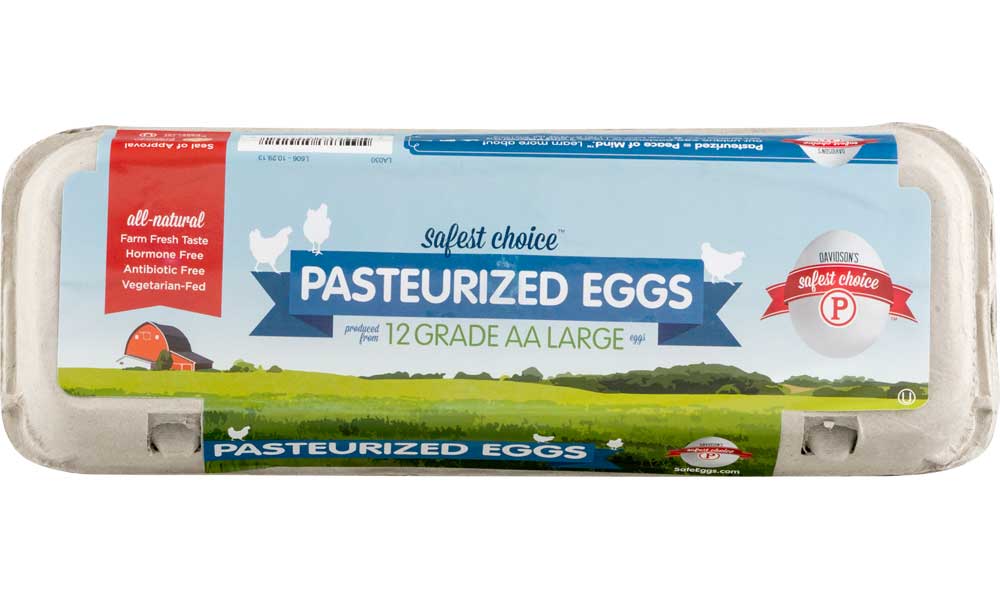
    Building a full Italian pantry? See our guides on where to buy ricotta cheese, where to buy pasteurized eggs, and where to buy chickpea pasta.

    Frequently Asked Questions

    Is fresh pasta better than dried?

    Fresh pasta is better for certain dishes, not all of them. Egg-based shapes like tagliatelle, pappardelle, fettuccine, plus stuffed shapes like ravioli and tortellini, belong in the refrigerated case. Simple shapes like spaghetti or penne often taste better dried, especially Italian bronze-die versions.

    How long does fresh pasta last in the fridge?

    Unopened refrigerated packages stay good for 3 to 5 weeks, or up to the printed sell-by date. Once opened, use within 3 days. Deli-counter product bought by weight should be used within 2 to 3 days.

    Can you freeze fresh pasta?

    Yes. Lay noodles flat on a parchment-lined tray and freeze solid, then transfer to a sealed bag. Frozen stuffed shapes go straight from freezer to boiling water without thawing. Use within 2 months.

    Why is fresh pasta more expensive?

    Higher cost reflects shorter shelf life, refrigerated transport, egg-rich dough, and small-batch production. Expect two to four times the per-pound price of dried. For weeknight meals, the time savings often justify it.

    What is the difference between fresh and frozen pasta?

    Both are uncooked dough with moisture intact. Refrigerated product lasts 3 to 5 weeks with a softer texture. Frozen lasts up to 3 months and locks in the dough at peak freshness. For ravioli and tortellini, frozen is often better because it prevents filling leakage.

    Does Whole Foods make fresh pasta in store?

    Select Whole Foods locations prepare stuffed shapes and cut noodles in their prepared-foods department, but this varies by store. Ask at the cheese counter. The packaged refrigerated selection (Rana, Buitoni, 365 brand) is consistent across all locations.

    About This Guide

    Reviewed by the wheretobuyguides.com editorial team. Pricing and retailer availability verified April 2026. We update this guide twice a year to reflect new brands, store rotations, and changes in the gourmet delivery landscape.


  • Where to Buy Faygo: Stores, Online, and Top Flavors

    Where to Buy Faygo: Stores, Online, and Top Flavors

    If you’re from Michigan, you already know this soda. For everyone else wondering where to buy Faygo, distribution now reaches well past Detroit, the brand’s hometown since 1907. Faygo is a Detroit-made soft drink line owned by National Beverage Corp., and the full flavor lineup is easiest to find in the Midwest, with growing availability nationwide through stores like Walmart, Meijer, and Kroger, plus online retailers like Amazon. We’ve covered other nostalgic beverages like Crystal Pepsi, but few brands carry the same grassroots loyalty as this one.

    This page contains affiliate links. We may earn a commission at no extra cost to you.

    What Is Faygo and Why It Has a Cult Following

    Faygo is a line of regional carbonated soft drinks produced in Detroit, Michigan, and distributed primarily across the Midwest and eastern United States. The brand offers more than 30 flavors, including unusual favorites like Rock & Rye, Red Pop, Moon Mist, and Cotton Candy that no national competitor matches. National Beverage Corp., the Florida-based parent company that also owns LaCroix sparkling water and Shasta, acquired the brand in 1985. Production still happens entirely at the original Detroit plant on Gratiot Avenue.

    The cult loyalty comes from three things. First, the flavors skew sweeter and more varied than Coke or Pepsi. Second, generations of Michigan families grew up on it, which turns ordinary soda into comfort food. Third, the brand was cemented in pop culture by Detroit hip-hop group Insane Clown Posse, whose “Faygo showers” at concerts pushed the name far beyond Michigan state lines.

    The History Behind This Detroit Soda

    The Feigenson brothers, two Russian-born bakers who had settled in Detroit, launched their beverage company in 1907. Their first three flavors, grape, fruit punch, and strawberry, were all adapted from cake frosting recipes the brothers already knew from their bakery. A bottle cost three cents, or two for a nickel.

    By 1922 they’d bought their first delivery truck, and home deliveries started the following year. The company grew fast. In the 1920s the brothers shortened “Feigenson” because it felt too long for marketing, and the punchier name stuck. Today the brand offers more than 30 flavors and remains headquartered in Detroit.

    Here’s a detail most people miss. The word “pop” as slang for carbonated drinks was popularized in part by this Detroit brand, and that slang spread across the Midwest. It’s still the preferred word in Michigan, Ohio, Indiana, and Minnesota.

    What to Look For When Buying Faygo

    Not every pack is equal. A few things separate a good haul from a disappointing one, especially when you’re buying online or outside Michigan.

    Flavor lineup. Rock & Rye, Red Pop, Moon Mist, and Orange are the signature picks. If a variety pack skips those, it’s not the classic experience. Check the included flavors before you order.

    Can vs. bottle format. Two-liter bottles are cheapest per ounce and match how the brand has been sold in Michigan party stores for decades. Cans are more portable and ship more reliably without leaks. Glass bottles are rare and mostly collector items.

    Freshness date. Regional sodas rotate slower in non-Midwest stores, so check the best-by date on the cap or can. This matters because carbonation and flavor fade noticeably after the printed date.

    Shipping weight. Soda is heavy. A 24-pack of cans weighs roughly 20 pounds, so Prime-eligible listings with included shipping are almost always the better deal on Amazon.

    Diet versions. Sugar-free options exist for Rock & Rye, Redpop, and a handful of others, though availability is thinner. If you need diet, confirm the exact flavor before adding to cart.

    What to Avoid When Buying Faygo

    A few buying traps come up often, especially for shoppers outside the Midwest.

    Third-party resellers with inflated prices. Some Amazon and eBay sellers list 2-liter bottles for three to four times the in-store price. If a single bottle costs more than about $6 shipped, keep scrolling. Legit variety packs land between $30 and $60 depending on flavor count.

    Old inventory at non-Michigan chains. Stores outside the core distribution area sometimes stock just one or two cases a quarter. Check the date on the cap or can before buying. Flat soda is the most common complaint from first-time buyers.

    Counterfeit “throwback” flavors. A few discontinued flavors resurface on resale sites at high prices. The bottles may be real but long past their best-by date. Treat these as collectibles, not drinks.

    Leaky glass shipments. Glass bottles break in transit more often than plastic or aluminum. If a listing is glass-only, double-check the seller’s packaging reviews. The FDA doesn’t regulate this kind of breakage, so returns are on the seller.

    Where to Buy Faygo in Stores

    Your best in-store odds depend on geography. Here’s how the map breaks down.

    Michigan and the rest of the Midwest

    Virtually every grocery store, gas station, and party store in Michigan carries the full lineup. Meijer, the Midwest-focused supercenter chain, stocks 10 to 20 flavors. Kroger and its regional banners like Fred Meyer and Ralphs rotate a narrower selection. Local party stores often carry flavors the big chains skip. In Ohio, Indiana, and Illinois, most major grocery chains carry at least a handful of flavors. The closer you are to Detroit, the wider the selection.

    East of the Mississippi

    Distribution has pushed into states along the East Coast and the Southeast, though selection won’t match Michigan. Use the official store locator to check stores near you. One shelving tip: look on bottom shelves or top racks, because stores usually put regional sodas outside prime eye-level space.

    Walmart and Walmart Supercenter

    Walmart is the most reliable national option outside the Midwest. Many Supercenters stock Red Pop, Rock & Rye, and Moon Mist, and you can confirm availability through the store website before driving over. Several shoppers have reported finding it at Supercenters in states nowhere near Michigan.

    Kroger, Meijer, and regional chains

    Kroger stores across the Midwest carry a steady rotation. Meijer, headquartered in Grand Rapids, often has the deepest selection outside Michigan itself. Call ahead to check stock, because smaller locations can carry fewer than five flavors.

    Where to Buy Faygo Online

    Can’t find it locally? Online ordering fixes that fast, though shipping on heavy soda is the main cost driver to watch.

    Amazon

    Amazon stocks variety packs, individual flavors, and bulk cases of Faygo. Shipping adds cost on heavy soda cases, so filter for Prime-eligible listings that include delivery in the price. This is the easiest way to grab harder-to-find options like Cotton Candy, Peach, and Rock & Rye outside of Michigan. Browse the Amazon selection (#ad) to compare sellers side by side.

    eBay

    For collectors or anyone chasing discontinued flavors, eBay has a solid selection with different sizes, multi-packs, and vintage bottles. Compare prices across sellers before buying and check seller feedback for packaging quality.

    Specialty soda retailers

    Sites like Soda Pop Stop and Galco’s ship regional and craft sodas nationwide. If you’re also into retro beverages like Peace Tea or classic mixers like grenadine, these specialty shops bundle orders well and soften the per-can shipping cost.

    Faygo.com direct

    The brand’s official site ships merchandise and some beverage bundles directly, though the catalog is narrower than Amazon. Use it for branded gear, gift packs, and to verify flavor release dates.

    Top Picks: Best Faygo Flavors to Buy

    These are the five flavors and pack styles worth starting with, based on cult status, Michigan shelf space, and how well they ship outside the core distribution zone.

    Best overall: Faygo Rock & Rye. A cream soda with vanilla and a faint cherry note, widely considered the signature Detroit flavor. Pairs well with vanilla ice cream as a root-beer-float alternative. Around $4 to $8 per 2-liter outside Michigan. Check price on Amazon, browse at Walmart, or see the Target listing.

    Best classic: Faygo Red Pop. A strawberry-forward red soda that’s been in the lineup since the 1920s. Bright, almost bubblegum-sweet, and the default nostalgia pick for most Detroiters. Typically $3 to $6 per 2-liter. See it on Amazon, check Walmart, or browse at Meijer.

    Best bold flavor: Faygo Moon Mist. A citrus blend of lemon, lime, and orange with a distinct green color. Tastes brighter than Mountain Dew and less sugary on the finish. Around $3 to $6 per 2-liter. Shop on Amazon, the Walmart listing, or check Kroger.

    Best for sampling: Faygo Variety Pack. A case mixing Rock & Rye, Red Pop, Moon Mist, Orange, and Grape gives you a proper tour of the lineup in one purchase. Usually $30 to $55 for 24 cans. Find on Amazon, browse at Walmart, or see the Target option.

    Best budget: Faygo Orange. An orange cream style soda that’s noticeably less harsh than Sunkist or Orange Crush. One of the cheapest flavors to find on sale, often $1 to $3 per 2-liter in Michigan. Check price on Amazon, the Walmart listing, or browse at Kroger.

    PickFlavor profileBest forPrice range
    Rock & RyeCream soda, vanilla, faint cherryFirst-time tasters$4 to $8
    Red PopStrawberry, bright and sweetMichigan nostalgia$3 to $6
    Moon MistLemon-lime-orange citrusBold flavor fans$3 to $6
    Variety PackMultiple flavors in one caseGifts and sampling$30 to $55
    OrangeOrange creamBudget buyers$1 to $3

    Frequently Asked Questions

    Is Faygo only sold in Michigan?

    No. Michigan is still the strongest market, but distribution now covers much of the eastern and midwestern United States through Walmart, Meijer, Kroger, and regional chains. You can also order online from Amazon, eBay, and specialty soda shops for nationwide delivery.

    What is the most popular Faygo flavor?

    Rock & Rye is the signature flavor, a cream soda with vanilla and a hint of cherry. Red Pop and Moon Mist are close runners-up and together make up the three flavors most Michigan stores stock first.

    Does Walmart carry Faygo?

    Many Walmart Supercenters do, though selection varies by location. Check the Walmart website or app for local stock. Supercenters in the Midwest and Southeast typically carry at least Rock & Rye and Red Pop.

    Who owns Faygo today?

    National Beverage Corp., based in Fort Lauderdale, Florida, has owned the brand since 1985. The same parent company owns LaCroix sparkling water and Shasta. Production still happens at the original Detroit plant.

    How many flavors does Faygo make?

    More than 30 flavors are in current production, with rotating seasonal and regional releases. Core year-round flavors include Rock & Rye, Red Pop, Moon Mist, Orange, Grape, Cotton Candy, and Root Beer.

    Is Faygo cheaper than name-brand soda?

    Yes, typically 20 to 40 percent cheaper per ounce than Coca-Cola or Pepsi in Michigan stores. Outside the Midwest the price gap shrinks because shipping and lower shelf turnover push per-bottle prices higher.

    Final Buying Tips

    Start with a variety pack if you’ve never tried the brand, because that gives you Rock & Rye, Red Pop, and Moon Mist in one order without paying single-flavor premiums. If you’re in Michigan or next door, skip online entirely and buy at Meijer or a local party store where prices are lowest. If you’re far from Detroit, filter Amazon for Prime-eligible listings so shipping doesn’t double the cost. And before any purchase, check the best-by date on the cap to avoid the flat-soda problem that trips up most first-time buyers of where to buy Faygo outside its home region.

    Editorial Review

    Reviewed by the wheretobuyguides.com editorial team. Last updated: April 2026.

  • Where to Buy Ezekiel Bread

    Where to Buy Ezekiel Bread

    Sprouted grain loaves have built a devoted following among health-conscious shoppers, and Ezekiel bread sits right at the top of that shelf. Made by Food for Life Baking Company, this flourless product uses six organic grains and legumes (wheat, barley, millet, lentils, soybeans, and spelt) with zero added sugar. At roughly 80 calories per slice, it packs more protein and fiber than most conventional loaves. The tricky part? You won’t see it on every supermarket shelf. Knowing where to buy Ezekiel bread saves a wasted trip, and this guide walks through every reliable store and online option, along with what to look for before you grab a loaf.

    This page contains affiliate links. We may earn a commission at no extra cost to you.

    What Ezekiel Bread Is and Who Buys It

    Ezekiel bread is a flourless, sprouted grain loaf inspired by a recipe reference in the biblical book of Ezekiel 4:9. Food for Life grinds the sprouted grains and legumes into a wet mash, then bakes it slowly. The result is a dense, hearty slice that skips refined flour, added sugar, and artificial preservatives entirely. Sprouting is the key step. Research summarized by the Healthline nutrition team shows that sprouting boosts the availability of certain vitamins and reduces antinutrients like phytic acid, which can interfere with mineral absorption.

    The typical shopper for this sprouted loaf is someone managing blood sugar, following a whole-foods diet, or simply looking for a cleaner breakfast option. Diabetics and people on the Daniel Fast gravitate toward it because the sprouted grains have a lower glycemic index than refined white flour products. Athletes and older adults appreciate the complete-protein profile created when wheat is paired with legumes. If you care about ingredient labels, this is the sort of loaf that satisfies every box most shoppers check.

    What to Look For When Shopping the Freezer Aisle

    Not every sprouted loaf is the same, and Food for Life alone makes at least eight varieties. Before you grab the first package you see, pay attention to these buying criteria.

    Variety and flavor. The original Ezekiel 4:9 uses only sprouted grains and legumes. The cinnamon raisin loaf adds organic raisins for a sweeter slice that toasts beautifully. The sesame version is seedier and nuttier. A low-sodium option trims the salt for blood-pressure-conscious buyers. Flax adds omega-3 fats. Pick the variety that fits your use, whether that’s sandwiches, toast, or French toast on weekends.

    Frozen vs. thawed. These loaves ship and stock frozen because the recipe uses no preservatives. If a store displays them in the regular bread aisle at room temperature, the shelf life is shorter than a week. Frozen stock is the fresher buy. Thaw only what you need and keep the rest in your freezer at home.

    Ingredient label. Authentic Ezekiel bread should list sprouted wheat, sprouted barley, sprouted millet, malted barley, sprouted lentils, sprouted soybeans, sprouted spelt, filtered water, fresh yeast, and sea salt. If you see enriched flour, cane sugar, or soybean oil on the panel, you are not holding the original product.

    Slice count and loaf size. A standard 24-ounce loaf holds around 18 to 20 slices. Smaller specialty cuts run 16 ounces. Compare unit prices if your store carries multiple sizes.

    Certifications. Look for USDA Organic, Non-GMO Project Verified, and Kosher seals on the front of the bag. These confirm you’re paying for the real thing.

    What to Avoid When Buying Ezekiel Bread

    Shoppers new to sprouted products sometimes make the same handful of mistakes. A quick read of this list will save you from a disappointing loaf.

    Buying thawed from a warm shelf. If a store keeps the product out of the freezer, the clock on freshness started the moment it was moved. Check the “keep frozen” note on the bag. A thawed loaf left out for days can develop off smells or mold well before the printed date.

    Mistaking copycats for the real thing. Store-brand “sprouted grain” loaves exist, and some are excellent. But they are not Food for Life, and they may include canola oil, sugar, or cane syrup. If you specifically want the Ezekiel 4:9 recipe, read the brand name and the ingredient panel, not the shelf tag.

    Assuming gluten free. The core Ezekiel line contains wheat, barley, and spelt, which all carry gluten. Food for Life does offer a separate gluten-free brown rice line, but the recipe is entirely different. Read labels carefully if you have celiac disease or a gluten sensitivity.

    Overpaying at convenience stores. A loaf that runs around $6 to $7 at Walmart or Trader Joe’s can climb past $10 at a small specialty shop. If budget matters, go to the bigger chains first and keep the boutique grocers for emergencies.

    Where to Buy Ezekiel Bread in Grocery Stores

    Physical retail is still the most common way shoppers pick this up. Selection varies from store to store, so a phone call before you drive can save time.

    Walmart

    Walmart carries several Food for Life varieties at most Supercenter locations. Check the frozen section first because sprouted items are almost always kept frozen to preserve freshness. Availability may vary, so use the Walmart app to confirm stock at your nearest store before driving over. Keep in mind that these items are typically marked in-store only and may not show up for online grocery pickup.

    Trader Joe’s

    Trader Joe’s is a dependable choice. The chain stocks multiple varieties in its freezer aisle year-round. There is no online ordering, but you can check their store locator and call ahead to verify what they have in stock. Prices at Trader Joe’s tend to run slightly lower than at conventional grocery chains, which matters because a single loaf is not cheap compared with mass-market sandwich bread.

    Whole Foods Market

    Whole Foods consistently carries the full Food for Life lineup, including the original sprouted wheat loaf, sesame, cinnamon raisin, and the low-sodium version. Look in the freezer aisle near other specialty loaves, not in the center bread section. If you’re an Amazon Prime member, you can order through the Whole Foods delivery option on Amazon for doorstep convenience.

    Kroger, Publix, and Regional Chains

    Larger regional grocers like Kroger, Publix, Safeway, and Sprouts Farmers Market often carry sprouted products in the frozen section. Stock can be inconsistent at smaller locations, so calling ahead saves a wasted trip. Many Kroger stores let you search inventory on their app before heading out. Publix is especially reliable in the Southeast, and ShopRite stores up and down the East Coast tend to stock the cinnamon raisin and original varieties side by side.

    Where to Buy Ezekiel Bread Online

    If your local grocer doesn’t stock it, the web has you covered. Most online sellers ship frozen with dry ice or gel packs to protect the loaf in transit.

    Amazon

    Amazon #ad lists several Food for Life products with Prime shipping on select items. Watch for duplicate listings at different price points and compare the unit price before adding to cart. Because this is a frozen product shipped with cold packs, always check the sold-by line to make sure a reputable seller is handling fulfillment. Read recent reviews for comments about expiration dates and shipping condition.

    Thrive Market

    Thrive Market is a membership-based online grocer that stocks organic and specialty foods. They carry multiple sprouted varieties from Food for Life and often run discounts for new members. Shipping is free on orders over $49, and the product arrives packed with dry ice to maintain temperature. The membership pays for itself quickly if you stock multiple specialty items monthly.

    Food for Life Official Website

    You can use the store finder on FoodForLife.com to locate retailers near your zip code. While they don’t sell direct to consumers, the tool helps you discover smaller health food shops, co-ops, and independent grocers in your area that stock their products. This is the fastest route when you want a specific variety and your usual chain is out.

    Target and Instacart

    Some Target locations stock the original loaf in the freezer aisle, and you can shop Target and many of the grocers above through Instacart. Instacart pricing is typically a few dollars above shelf price, but same-day delivery is the payoff. Always double-check the substitution settings at checkout so the shopper doesn’t swap in a non-sprouted product.

    Top Picks: Best Ezekiel Bread Varieties to Buy

    Here are the sprouted loaves worth your grocery budget. Prices fluctuate with freight and promotions, so treat these ranges as ballpark figures. All Amazon links use our affiliate tag.

    Best overall: Food for Life Ezekiel 4:9 Sprouted Whole Grain Bread. The flagship loaf. Six sprouted grains and legumes, no added sugar, complete protein profile. Works for sandwiches, toast, and savory breakfasts. Around $6 to $8 per 24-ounce loaf. Shop on Amazon, check Walmart, or find it on Target.

    Best for breakfast: Food for Life Ezekiel 4:9 Cinnamon Raisin. A naturally sweet variety that toasts wonderfully with almond butter. Uses organic raisins for the sweetness, no cane sugar added. Around $7 to $9. Browse on Amazon, check Walmart, or order through Thrive Market.

    Best for low-sodium diets: Food for Life Ezekiel 4:9 Low Sodium Sprouted Grain Bread. Same grain blend as the original with the salt pulled out. A solid pick for anyone managing blood pressure. Around $7 to $9. Check Amazon or browse Whole Foods.

    Best for texture and nuttiness: Food for Life Ezekiel 4:9 Sprouted Sesame. Sesame seeds are blended throughout the loaf for a nutty flavor and extra crunch. Pairs well with hummus or avocado. Around $7 to $9. Shop on Amazon or check Walmart.

    Best alternative brand: Silver Hills Sprouted Power Bakery Squirrelly Bread. A Canadian sprouted brand that shows up in US stores and online. Slightly sweeter and softer than Food for Life, with sprouted flax and sunflower seeds. Around $6 to $8. Browse on Amazon or check your local Whole Foods.

    Tips for Buying and Storing Sprouted Loaves

    Sprouted products contain no artificial preservatives, which means they spoil faster than standard loaves at room temperature. A few practical pointers go a long way.

    • Always check the sell-by date, especially when ordering online.
    • Store your loaf in the freezer and pull out slices as needed. They thaw in about five minutes at room temperature or toast straight from frozen.
    • If your local store doesn’t carry the variety you want, ask the manager to special order it. Most chains can request items through their distributor.
    • If a loaf arrives soft or partially thawed via delivery, refreeze within a few hours. Do not leave it on the counter overnight.

    Now that you know exactly where to buy Ezekiel bread, picking up a loaf should be straightforward whether you shop in person or order online. Looking for more specialty groceries? Check our guides on where to buy naan bread, where to buy coconut bread, and where to buy chia seeds.

    Frequently Asked Questions

    Is sprouted grain bread gluten free?

    No. Food for Life sprouted loaves contain wheat, barley, and spelt, all of which contain gluten. People with celiac disease or a gluten sensitivity should avoid them. The company does make a separate gluten-free line using brown rice and other non-gluten grains.

    Why is it kept in the freezer section?

    Because the recipe uses no preservatives or added sugar, the product has a short shelf life at room temperature. Freezing keeps it fresh for months without sacrificing taste or nutritional value. Most stores display it frozen for this reason.

    How many calories are in one slice?

    A single slice of the original sprouted wheat variety has about 80 calories, 4 grams of protein, and 3 grams of fiber. Exact values differ slightly between flavors such as sesame, cinnamon raisin, and flax. Always check the Nutrition Facts label on the specific variety you purchased.

    Does Ezekiel bread raise blood sugar?

    Because the sprouted grains are lower on the glycemic index than refined flour, the sprouted loaf raises blood sugar more slowly than standard white sandwich bread. It is still a carbohydrate-containing food, so people with diabetes should pair a slice with protein or fat and monitor their own response.

    Can I make Ezekiel bread at home?

    You can, though it takes patience. Sprouting the grains and legumes takes two to three days, after which you grind the sprouted mash and bake it slowly at a low temperature. Several recipes online walk through the process, but most shoppers find the convenience of a store-bought loaf well worth the price.

    About This Guide

    Reviewed by the wheretobuyguides.com editorial team. Last updated April 2026. We independently research every buying guide and update prices and availability as retailers change. Our goal is to help shoppers find exactly what they want without wasted trips.

  • Where to Buy Tim Tams: Best US Retailers, Online Picks, and Imports

    Where to Buy Tim Tams: Best US Retailers, Online Picks, and Imports

    Tim Tams are Australia’s beloved chocolate-covered biscuit, made by Arnott’s Biscuits since 1964, and finding them in the United States takes a bit of know-how. These two-layer malted biscuits sandwiched with chocolate cream and coated in milk chocolate are not stocked at every corner supermarket, so knowing where to buy Tim Tams can save an expat Aussie, a curious American, or a returning traveler from the heartbreak of empty shelves. This guide covers every reliable retailer, online option, and import route still working in 2026.

    This page contains affiliate links. We may earn a commission at no extra cost to you.

    What Are Tim Tams and Who Buys Them

    A Tim Tam is two malted-chocolate biscuits joined by a light chocolate cream filling and fully coated in a thin milk-chocolate shell. Arnott’s Biscuits launched the product in Australia in 1964, naming it after a 1958 Kentucky Derby winner. The brand sits inside the Campbell Soup Company’s former international snacking unit and is now owned by Arnott’s Group under KKR. According to the Tim Tam entry on Wikipedia, more than 400 million packs are produced each year, most sold in Australia, New Zealand, and the United Kingdom.

    The typical buyer is an Australian expat missing a taste of home, an American who discovered the treat on vacation or through a friend, or a Commonwealth traveler restocking after returning from Sydney. Collectors also chase seasonal flavors like Raspberry White Choc and Murray River Salted Caramel, which rarely reach US shelves. Tim Tams are famous for the “Tim Tam Slam,” a ritual where both ends are bitten off and the biscuit is used as a straw for hot coffee or tea until the chocolate softens, then eaten whole before it melts.

    What to Look For: Flavors, Pack Sizes, and Freshness

    Flavor lineup. The Original recipe is the baseline everyone should try first. Double Coat adds a thicker chocolate shell. Chewy Caramel sandwiches a soft caramel layer between the biscuits, and Classic Dark swaps milk chocolate for dark. Choc Mint and White are also common in Australia but turn up sporadically in US import channels.

    Pack size. Authentic Australian packs hold 11 biscuits in a 200-gram sleeve. Many US listings offer multi-packs of 3, 6, or even 12 sleeves, which is the most cost-efficient way to buy if you know you will finish them. Individually wrapped boxes exist for gifting but carry a hefty per-biscuit markup.

    Freshness date. Imported stock can sit on a boat for weeks, so always check the printed best-before date on the back of the pack. Fresh biscuits snap cleanly and hold a crisp malted flavor. Stale ones go waxy and the cream filling stiffens.

    Authentic Arnott’s branding. Only Arnott’s Biscuits makes the real thing. Pepperidge Farm sold a licensed US version for a short run in the late 2000s, but that product was discontinued and is not the same recipe. Look for the red-and-gold Arnott’s parrot logo on the front of every sleeve.

    Storage. Keep sleeves sealed in a cool pantry, away from direct sun. The chocolate coating softens above 75 degrees, which ruins the characteristic snap. In summer, a short stint in the refrigerator before serving restores the texture.

    What to Avoid When Buying Tim Tams

    Expired or near-expired stock. Specialty import shelves turn over slowly. Any pack within 30 days of its best-before date is a gamble. Check the code before you pay, especially at small Australian specialty stores and flea-market style international markets.

    Overpriced single sleeves. A single 200-gram pack should land between four and seven dollars in the US. Anything north of ten dollars for one sleeve is import gouging. Buy the multi-pack instead and the per-sleeve math works out.

    Pepperidge Farm knockoffs. Listings that use the phrase “Tim Tam style” or show a blue Pepperidge Farm wrapper are not the Australian original. The recipe differs, and those products are long discontinued, so any claimed stock is aged or counterfeit.

    Heat-damaged shipments. If the chocolate looks bloomed (grey streaks or dull patches), the sleeve was stored above 75 degrees at some point. The biscuit is safe to eat but the texture and finish suffer. Return or refund it.

    Unsealed or damaged packaging. A torn foil seal or crushed sleeve means broken biscuits and stale filling. Pass on any box that rattles with loose crumbs.

    Where to Buy Tim Tams in Store

    Cost Plus World Market

    Cost Plus World Market is the single most reliable brick-and-mortar source in the United States. Check the international snack aisle near the British, Irish, and Australian sections. Most locations stock the Original and Chewy Caramel year-round, with Double Coat and White rotating in around the holidays. Prices usually run four to six dollars per sleeve. Call the local store before driving out, because inventory varies by region.

    Walmart

    Select Walmart Supercenters stock the Original sleeve in the international foods aisle or near premium cookies, but availability is patchy and varies store by store. Check the Walmart site search for your ZIP code to see which nearby stores actually carry the product today. The Walmart marketplace also lists third-party sellers, usually at higher prices than the shelf.

    Target

    A limited number of Target stores carry the Original and Chewy Caramel in the grocery aisle, though the Target website does not sell them online. Urban and suburban stores with larger grocery footprints are the best bet. Smaller Target Express and city formats rarely stock them.

    Australian and British Specialty Shops

    Independent international grocers, especially those focused on Australian or British expat communities, almost always carry the product fresh. Search Google Maps for “Australian grocery” or “British food store” near you. Expect to pay a premium, but the rotation is faster than big-box retail.

    Where to Buy Tim Tams Online

    Amazon

    Amazon is the easiest online option, especially for flavors beyond Original. Multi-sleeve and variety packs dominate the listings, and Prime shipping gets them to most of the country in two days. Browse the Tim Tam results on Amazon and filter by review count. Stick with sellers shipping from US warehouses to avoid heat damage on long international transits.

    World Market Online

    The World Market website mirrors a portion of in-store inventory and ships nationally. Stock turns over faster than Amazon in some months, and store pickup is free if a location is nearby. Seasonal flavors show up here first during the northern hemisphere spring and fall.

    Australian Import Sites

    Dedicated importers such as SimplyAustralian.net, AussieProducts.com, and BritishFoodDepot.com stock the full Australian lineup, including limited releases. Shipping is slower and more expensive than Amazon, but the flavor range is unmatched. These sites are the only reliable way to find Murray River Salted Caramel, Choc Mint, or Raspberry White Choc in the US.

    eBay and Marketplace Resellers

    Resellers fill gaps during Australian summer shortages but pricing varies wildly. Check feedback ratings and shipping origin before buying. For related treats and gift pairings, see our guide on premium chocolate or browse candy bar options.

    Top Picks: Best Tim Tams to Buy in 2026

    Best overall: Arnott’s Tim Tams Original 200g (Cost Plus World Market). The benchmark. Crisp malted biscuit, balanced milk-chocolate coating, and always the freshest shelf turnover at World Market. Around $4 to $6 per sleeve.

    Best online multi-pack: Arnott’s Original 6-Pack on Amazon. Six sleeves shipped fast with Prime. Best cost-per-biscuit in the US market and reliable freshness from US-based sellers. Check current pricing on Amazon. Usually $25 to $40.

    Best variety pack: Arnott’s Tim Tam Variety Selection. A mixed box with Original, Chewy Caramel, and Double Coat is the smartest way to sample the lineup. See variety packs on Amazon. Around $30 to $45.

    Best for caramel lovers: Arnott’s Chewy Caramel. A chewy caramel layer between two malted biscuits, coated in milk chocolate. Divisive but adored by fans of the genre. Find Chewy Caramel on Amazon. About $6 to $9 per sleeve.

    Best Australian-imported experience: Murray River Salted Caramel (Import Site). A limited Australian release rarely seen in US big-box retail. Order through a specialty importer like SimplyAustralian.net or BritishFoodDepot.com for the closest-to-Sydney experience. Roughly $8 to $12 per sleeve with shipping.

    FAQ

    Are Tim Tams sold at Walmart?

    Some Walmart Supercenters carry the Original flavor in the international foods aisle, but stock is inconsistent store to store. The Walmart website lists third-party sellers who ship the product nationwide. Call the nearest store or check the site search by ZIP code before driving out.

    What is the best Tim Tam flavor?

    The Original holds the top spot for most buyers because the malted biscuit and milk chocolate are perfectly balanced. Double Coat wins among people who want more chocolate, and Chewy Caramel has a devoted following. For rare Australian releases, Murray River Salted Caramel is widely considered the best limited-edition flavor.

    Can you buy Tim Tams at Costco or Trader Joe’s?

    Costco does not stock them regularly in the US, though Canadian and Australian Costcos do. Trader Joe’s does not carry them at all, though the chain sells its own chocolate-covered biscuit treats. Cost Plus World Market is the closest US equivalent for reliable availability.

    How do you do a Tim Tam Slam?

    Bite off diagonally opposite corners of the biscuit, then dip one end into hot coffee, tea, or hot chocolate. Suck the drink up through the biscuit like a straw. When the chocolate begins to melt, pop the whole thing in your mouth before it collapses. It is a classic Australian ritual.

    Are Tim Tams the same as Pepperidge Farm’s biscuit?

    No. Pepperidge Farm licensed a US version in the late 2000s under the same name, but the recipe differed and the product was discontinued. Only Arnott’s Biscuits makes the authentic Australian original. Look for the Arnott’s parrot logo on every pack.

    How should Tim Tams be stored?

    Keep unopened sleeves in a cool pantry below 75 degrees. Once opened, reseal the foil and consume within a week for best texture. In hot weather, chilling a sleeve in the fridge for 20 minutes before serving restores the snap and keeps the chocolate from softening.

    Editorial Note

    Reviewed by the wheretobuyguides.com editorial team. Pricing and retailer availability verified against public US listings. Last updated: April 2026. Whether you shop in store at Cost Plus World Market or order a multi-pack online, the right box of Tim Tams is always worth the hunt.

  • Where to Buy Sherwin Williams Paint: Stores, Online, and Top Picks

    Where to Buy Sherwin Williams Paint: Stores, Online, and Top Picks

    Planning a refresh, a remodel, or a whole house repaint? Finding Sherwin Williams paint is not always as simple as pulling into the nearest big-box parking lot. Sherwin-Williams sells most of its product through its own 4,000-plus company stores, which means knowing where to buy Sherwin Williams paint and which retailers actually carry the brand will save you a wasted trip. This guide breaks down every legitimate place to purchase the product, the lines worth asking for by name, the pitfalls that trip up first-time buyers, and the top picks for interior, exterior, and low-VOC projects.

    This page contains affiliate links. We may earn a commission at no extra cost to you.

    What Sherwin Williams Paint Is and Who Buys It

    Sherwin-Williams is a premium architectural coatings brand owned by The Sherwin-Williams Company, a Cleveland, Ohio manufacturer founded in 1866 and today one of the largest paint producers in the world. The brand sits at the higher end of the market, favored by contractors, designers, and homeowners who want thicker film builds, richer color, and longer wear than a mid-tier coating can deliver. Since 2017 the company has also owned Valspar, which explains why Lowe’s shelves carry a sister brand rather than the flagship line. Typical buyers are professionals repainting interiors and exteriors, DIY homeowners tackling a high-visibility room, and property managers who need a reliable spec across many units. If you care about even coverage in one or two coats, tight color matching to fan-deck standards like the Pantone Color Institute palette, and low-VOC options that meet LEED certification thresholds, this brand belongs on your short list.

    What to Look For: Features and Buying Criteria

    Not every can inside an SW store performs the same way. Use these criteria to narrow the line before you walk up to the tint counter.

    Product line and tier. The brand sells in tiers: ProMar 200 for contractor jobs, SuperPaint for everyday interiors, Cashmere for a buttery low-splatter finish, Duration for self-priming premium work, and Emerald for the flagship interior and exterior performance. Know the tier before you ask for a price.

    Sheen and finish. Flat and matte hide wall imperfections. Eggshell and satin balance washability with softness. Semi-gloss and gloss belong on trim, doors, and cabinets. The same color looks dramatically different across sheens, so always buy a sample pot first.

    VOC level and indoor air quality. Harmony and Emerald Interior are zero-VOC or very low-VOC formulas that qualify for LEED credits and meet EPA indoor air standards. Ask for the technical data sheet if air quality matters in your home.

    Coverage and hide. Premium lines cover in one to two coats over primed surfaces. Budget lines often need three. Calculate the real cost per finished square foot, not the sticker price on the lid.

    Exterior durability. For siding and trim, look at Duration Exterior, Emerald Exterior, or SuperPaint Exterior. Each carries a different warranty, fade resistance, and mildew package. Climate matters: humid coasts punish anything less than the top two tiers.

    Pricing and pro discounts. Retail gallons range from roughly $35 for ProMar 200 up to $95 or more for Emerald. Contractors with a pro account typically pay 20 to 40 percent less. Homeowners can still save by timing the semiannual 30 to 40 percent off sales the company runs in spring and fall.

    What to Avoid When Buying Sherwin Williams Paint

    Assuming Home Depot carries the brand. It does not. Home Depot stocks Behr, Glidden, and PPG. If you see “Sherwin” branding on a big-box shelf, it is almost certainly a Valspar sister product, not the flagship line.

    Paying sticker without asking about the sale cycle. SW runs 30 to 40 percent off promotions several times a year. If your project can wait two or three weeks, call the store and ask when the next sale starts. A five-gallon bucket saved $60 is not unusual.

    Buying third-party listings sight unseen. Amazon, eBay, and Walmart marketplace all show the product from resellers. Old stock separates, freezes in transit, or arrives with a cracked lid. Buy from a company store or Lowe’s when the product is a genuine SW item.

    Skipping the sample pot. Every store sells small sample jars for a few dollars. Under the fluorescent lights of a showroom, a color reads completely different than on your actual wall at 6 p.m. Always test on the real surface before committing to two gallons.

    Ignoring the pro desk as a homeowner. You do not need a contractor license to open a pro account. Ask the manager. Even occasional DIYers often qualify for meaningful discounts once a store rep sees repeat purchases.

    Where to Buy Sherwin Williams Paint In Store

    Sherwin-Williams Stores

    The company’s own 4,000-plus retail locations are the primary source. Every line, every sheen, every custom tint is available, along with rollers, brushes, tape, and drop cloths. Staff are trained on product chemistry and can match a chip from any competing brand. Use the official store locator to find your nearest branch and call ahead to confirm stock on specialty lines like Emerald Designer Edition.

    Lowe’s

    Lowe’s carries the HGTV Home by Sherwin-Williams line, plus Valspar, the company’s sister brand. The flagship interior and exterior products are generally not on these shelves, but the HGTV Home collection is formulated by SW chemists and tinted in-store. Check local availability on Lowes.com before driving over, because selection varies by market.

    Ace Hardware

    Some independently owned Ace stores stock a limited selection of the product, particularly in markets without a nearby company store. Call first and ask which lines they carry and whether they tint on site. Ace is a reasonable backup for small touch-up purchases.

    Home Depot

    Home Depot does not carry Sherwin-Williams. The chain stocks Behr, Glidden, and PPG. If you prefer big-box shopping, see our notes on where Behr is sold or where to find Glidden. Call ahead if you want to confirm stock on any item before making the trip.

    Where to Buy Sherwin Williams Paint Online

    Sherwin-Williams.com

    Ordering direct from the official site gives you access to the full catalog, tool kits, and the company’s color visualizer. You can ship to home or use in-store pickup within a few hours at your nearest branch. Digital coupons stack with the semiannual sale.

    Amazon

    A limited slice of the catalog appears on Amazon through third-party sellers. Expect touch-up sizes, primer cans, and specialty coatings rather than full five-gallon buckets of interior flagship lines. Read seller reviews carefully and confirm the product is not old stock before clicking buy.

    Lowes.com

    The Lowe’s website lists HGTV Home by SW for home delivery or store pickup, and free shipping kicks in on orders over $45. This is the easiest online route to an SW-formulated coating without visiting a company store.

    eBay and Walmart Marketplace

    eBay and Walmart both host resellers moving discontinued colors, pro-size cans, and new-old-stock. Useful if you need an exact archive color match from a discontinued line, but check expiration and seller ratings first.

    Top Picks: Best Sherwin Williams Paint Lines

    Five lines cover roughly 90 percent of residential jobs. These are the tiers worth asking for by name when you walk up to the tint counter.

    Best overall interior: Duration Home Interior Acrylic Latex. Self-priming, scrubbable, and dries to a tough moisture-resistant film. Ideal for kitchens, bathrooms, and high-traffic hallways. Expect about $75 to $85 per gallon before the sale cycle.

    Best value: SuperPaint Interior Acrylic Latex. The workhorse tier. Excellent hide in two coats, reasonable price, available in every sheen. Around $55 to $65 per gallon, and routinely discounted during the semiannual sale.

    Best exterior: Emerald Exterior Acrylic Latex. Self-priming, fade-resistant, and built for severe weather. This is the line contractors spec on trim-heavy Victorian repaints where a redo is not an option for a decade. Around $90 to $100 per gallon.

    Best low-VOC: Harmony Interior Acrylic Latex. Zero-VOC, anti-microbial additive, and odor-eliminating technology. The go-to choice for nurseries, bedrooms, and LEED projects. Around $60 to $70 per gallon.

    Best trim and cabinets: ProClassic Interior Acrylic Enamel. Smooth, self-leveling finish that lays down almost like an oil-based enamel but cleans up with water. The standard for doors, trim, and cabinet refinishing. Around $75 to $85 per gallon.

    Prefer the sister brand for a lower price point? Our guide to where to buy Valspar covers the Lowe’s-exclusive line in detail.

    Frequently Asked Questions

    Is Sherwin-Williams sold at Home Depot?

    No. Home Depot carries Behr, Glidden, and PPG. The flagship SW line is sold almost exclusively through the company’s own stores and, for the HGTV Home sister collection, through Lowe’s.

    Is the product cheaper at Lowe’s than at a company store?

    Not the flagship line, because Lowe’s does not carry it. What Lowe’s sells is HGTV Home by SW and Valspar, both of which are priced lower than Emerald or Duration but are different formulations.

    When does Sherwin-Williams run its semiannual sale?

    The brand typically runs a 30 to 40 percent off sale in the spring and again in the fall, with smaller promotions around major holidays. Sign up for the rewards program and a store rep will email sale dates a week before they go live.

    Can homeowners get the pro discount?

    Yes. Ask the store manager about opening a PaintPerks Pro account. You do not need a contractor license, though discount tiers scale with annual spend. Even casual DIYers often qualify for 10 to 20 percent off.

    Which line is best for an exterior repaint?

    Emerald Exterior is the flagship choice for fade and mildew resistance, followed by Duration Exterior. SuperPaint Exterior is a budget-friendly tier that still carries a solid warranty, which makes it a fair middle-ground on detached structures or rentals.

    Editorial Note

    Reviewed by the wheretobuyguides.com editorial team. Last updated: April 2026. Pricing, product lines, and retailer availability reflect the most recent information from Sherwin-Williams and its authorized sellers at the time of publication. Call your local store to confirm stock before making the trip.

  • Where to Buy Tools: Best Retailers, Top Picks, and Buying Guide

    Where to Buy Tools: Best Retailers, Top Picks, and Buying Guide

    Having the right tools for a job is the difference between finishing a project in ten minutes and losing an entire weekend to it. Whether you are patching drywall, swapping a car battery, or framing a shed, knowing where to buy tools that actually hold up is the single biggest factor in a smooth build. The good news is that the market is wide open: big-box chains, specialty trade counters, discount warehouses, direct-from-brand sites, and used-gear channels all compete for your dollar, and each has a genuine reason to earn your next purchase.

    This page contains affiliate links. We may earn a commission at no extra cost to you.

    What “Tools” Actually Means and Who Needs Them

    “Tools” is one of the broadest product categories in retail. At the hand end of the aisle, you have screwdrivers, pliers, wrenches, hammers, tape measures, and utility knives. In the middle sit corded and cordless power implements such as drills, impact drivers, circular saws, sanders, and reciprocating saws. At the specialty end you find automotive equipment like torque wrenches and OBD-II scanners, plumbing gear such as pipe cutters, and trade kit for electricians, HVAC techs, and woodworkers. Every homeowner, renter, and weekend mechanic benefits from a basic kit; serious DIYers and tradespeople build the collection up over years.

    Safety matters as much as capability. Look for hand tools and power gear that carry recognized certifications, such as UL listing for corded equipment and ANSI-compliant impact-rated sockets, both of which signal the product has been third-party tested for real shop use.

    What to Look For: Features and Buying Criteria

    Hand versus power. A well-chosen hand implement outlives its owner; a cheap cordless drill rarely sees its second battery. Start with a solid hand kit (hammer, screwdrivers, adjustable wrench, tape, level, utility knife), then add cordless only where it saves real time.

    Battery platform, not individual pieces. Cordless is a platform decision. Once you buy into DeWalt 20V MAX, Milwaukee M18, Makita 18V LXT, or Ryobi ONE+ 18V, every future drill, saw, and vacuum shares batteries. Pick a platform first, then shop individual implements second.

    Warranty and service network. Craftsman and Husky still offer lifetime hand-implement warranties, honored at Lowe’s and Home Depot respectively. Milwaukee Tool and DeWalt both run nationwide service centers for their power gear. A lifetime guarantee on a $14 wrench is worth more than a 90-day policy on a $40 wrench.

    Grip, balance, and weight. A drill that is front-heavy in the aisle will feel twice as bad overhead after ten minutes. Pick up the implement before you buy when you can, and favor brushless motors for lighter weight and longer runtime.

    Included accessories. A “kit” with two batteries, a charger, and a case is almost always a better deal than the bare implement plus separately purchased batteries. Combo kits (drill plus impact driver, for example) stretch the dollar furthest for new buyers.

    Ownership cost over time. The cheapest drill is rarely the cheapest to own. Factor in replacement batteries (often $80 to $150), bits, blades, and the resale value of the platform if you ever upgrade. Brand-direct ecosystems like DeWalt, Milwaukee, and Makita hold value; no-name brands do not.

    What to Avoid When Buying Tools

    Buying the cheapest option for work you will do often. A $19 cordless drill will frustrate you on its first cabinet install. For anything you use more than twice a year, spend for a mid-tier brand from a recognized maker.

    Ignoring the battery platform trap. Mixing platforms across a Ryobi drill, a Milwaukee saw, and a DeWalt impact means three chargers, three sets of batteries, and three points of failure. Commit to one ecosystem for cordless gear.

    Counterfeits on marketplaces. Fake DeWalt, Milwaukee, and Makita batteries, bits, and even full drills circulate on third-party sellers. Buy from the brand’s own storefront, Home Depot, Lowe’s, or Amazon-sold-and-shipped listings (not random third parties) to dodge knockoffs that can catch fire.

    Mistaking homeowner grade for contractor grade. Box stores sell two versions of many cordless lines, and the consumer variant uses a cheaper motor and lower-capacity battery. If you are a pro, buy the pro SKU.

    Skipping the return window. Open the box, charge the battery, run the implement for five minutes at home, and confirm nothing rattles. Manufacturer defects are real and every major retailer accepts returns on new, unregistered gear.

    Where to Buy Tools In Store

    Home Depot

    Home Depot is the default stop for most DIYers. The Husky hand line is exclusive here and carries a lifetime warranty, and the store stocks deep in Milwaukee Tool, Ryobi, DeWalt, Makita, and Ridgid. Large locations often have a rental desk for tile saws, concrete mixers, and other one-off gear. Check their category page before you drive, because in-store stock varies by market.

    Lowe’s

    Lowe’s is Home Depot’s closest competitor and the exclusive home of Craftsman since 2017, Kobalt (Lowe’s house brand), and CRAFTSMAN V20 cordless. Pricing runs neck and neck with Home Depot, and the hand-implement selection leans slightly more homeowner-friendly. You can browse their selection online and pick up in store on the same day for most stock items.

    Harbor Freight

    Harbor Freight is where you go when the price floor matters more than the ceiling. Their house brands, Hercules and Bauer on the power side and Pittsburgh on the hand side, have improved a lot over the last decade. Great for disposable, rarely used implements or for contractors who expect to lose gear on job sites. Walk in with a current sales flyer in hand.

    Ace Hardware and local hardware stores

    Ace Hardware and genuinely local independent shops remain the best place for expert advice and obscure replacement parts. Prices run slightly higher than the big boxes, but you can describe a problem in plain language and walk out with exactly what you need. Small-town locations often stock more hand gear per square foot than a suburban big box.

    Menards and Northern Tool

    Menards dominates the upper Midwest and runs aggressive 11 percent rebates that functionally beat most competitor pricing. Northern Tool + Equipment leans into heavier farm, automotive, and welding gear and carries brands the big boxes do not, like Klutch and NorthStar.

    Call ahead on expensive power gear. Store stock varies, and the specific drill or saw you want may be one town over.

    Where to Buy Tools Online

    Amazon

    Amazon’s hardware category lists hundreds of thousands of items, from $4 screwdrivers to $2,000 plasma cutters. Prime shipping, easy returns, and strong buyer reviews make it the fastest way to research a specific implement. Stick with “sold and shipped by Amazon” or the verified brand storefront to avoid counterfeit batteries and bits. Browse the power gear category for current deals.

    Brand-direct sites

    DeWalt.com, MilwaukeeTool.com, Makita-USA.com, and Ryobi-direct at RyobiTools.com all run factory-reconditioned sections with full warranties at 20 to 40 percent off new. For pro-only SKUs that never hit big-box shelves, the brand site is the only source.

    Acme Tools and Toolbarn

    Acme and Toolbarn are contractor-focused specialty retailers. Selection runs deeper on trade-grade Bosch, Makita, Festool, and Hilti than any general retailer, and the staff actually know the difference between an SDS-plus and SDS-max rotary hammer.

    Used gear: Facebook Marketplace, Craigslist, estate sales, pawn shops

    A retiring carpenter’s full DeWalt kit on Marketplace can run 40 percent of new pricing. Estate sales and pawn shops move higher-end brand inventory at steep discounts. Inspect in person, run every implement before you hand over cash, and avoid used cordless batteries (they rarely hold charge past year three).

    Top Picks

    Best overall retailer: Home Depot. Broadest selection across hand and power categories, in-store rental, and price-matches most competitors. The default first stop for any project.

    Best budget pick: DEKOPRO 158-piece household kit on Amazon. A solid household hand set (hammer, pliers, wrenches, ratchet, bits) for around $45 to $60. Not pro grade, but perfect for a first apartment or a second kit in the car. Check current pricing.

    Best pro-grade cordless: Milwaukee M18 FUEL combo kit. Hammer drill plus impact driver, two 5.0 Ah batteries, charger, and bag. Brushless motors, metal chucks, and a massive M18 platform behind it. Runs around $379 to $449. See the listing.

    Best hand kit with lifetime warranty: Craftsman 230-piece mechanics set. Full SAE and metric sockets, ratchets, and wrenches in a blow-molded case. Lifetime warranty, typically $150 to $220. View on Amazon or pick it up at Lowe’s.

    Best cordless for homeowners: Ryobi ONE+ 18V six-piece combo. Drill, impact, circular saw, reciprocating saw, light, and vacuum on a single 18V platform. Around $299 at Home Depot. The platform has more than 300 compatible implements, so it grows with you.

    Frequently Asked Questions

    Is Home Depot or Lowe’s better for buying tools?

    Home Depot edges ahead for pro-grade power gear (Milwaukee, Ridgid, Makita, DeWalt) and rental selection. Lowe’s wins for Craftsman, Kobalt, and a slightly friendlier floor layout for casual homeowners. Pricing is usually within a few dollars either way, so pick based on what brand ecosystem you want.

    Is Harbor Freight quality actually any good?

    For hand implements, hand-truck carts, and low-use items like a car jack you use twice a year, Harbor Freight is legitimately good value. Their mid-tier Hercules and top-tier Bauer cordless lines rival Ryobi in performance. Avoid the bottom-shelf Chicago Electric power gear for anything you care about.

    What is the best cordless platform for a beginner?

    Ryobi ONE+ 18V is the easiest on-ramp: cheapest batteries, largest implement catalog (300+ SKUs), and wide availability at Home Depot. DIYers who plan to upgrade later should consider DeWalt 20V MAX or Milwaukee M18, both of which reach pro-grade performance on the same battery.

    Which brands still offer a lifetime warranty on hand tools?

    Craftsman (at Lowes and Ace), Husky (Home Depot exclusive), Kobalt (Lowe’s exclusive), and Klein (trade supply houses) all carry full lifetime hand-implement warranties. Bring in the broken piece and walk out with a replacement, no receipt required at most chains.

    When should I rent a tool instead of buying?

    If you will use an implement fewer than three times in its lifetime, rent it. Home Depot, Lowe’s, and Sunbelt Rentals all handle tile saws, concrete mixers, stump grinders, and drain augers by the day. Renting a $900 tile saw for $75 a day makes sense; buying one for a single bathroom remodel does not.

    Are the cheap off-brand cordless drills on Amazon worth it?

    For occasional picture-hanging and furniture assembly, a $40 off-brand drill is fine. For anything structural, anything outdoors, or anything you will use monthly, stick with Ryobi at the budget end or step up to DeWalt, Makita, or Milwaukee. Battery longevity is where cheap cordless gear fails first.

    Related Buying Guides

    While you are building out the workshop, you may also need batteries for flashlights and remotes, electrical tape for wiring jobs, and a measuring tape for any cut-to-fit project.

    Reviewed by the wheretobuyguides.com editorial team. Last updated: April 2026. Whether you shop at a big-box chain, online, or at a local hardware store, the right tools are worth the time it takes to find them.

  • Superfeet: Where to Buy, What to Look For, and What to Avoid

    Superfeet: Where to Buy, What to Look For, and What to Avoid

    If aching arches or heel pain are slowing you down, knowing where to buy Superfeet can change how your feet feel by the end of the day. Superfeet insoles are premium orthotic footbeds trusted by runners, hikers, nurses, and anyone who spends long hours standing. This guide walks through what to look for before you buy, common mistakes shoppers make, and the exact retailers, online and in store, where you can find the full color-coded lineup at fair prices.

    This page contains affiliate links. We may earn a commission at no extra cost to you.

    What Superfeet Insoles Are and Who Needs Them

    Superfeet is a Washington-based, employee-owned insole maker that has been shaping premium footbeds since 1977. Each pair uses a deep, stabilizing heel cup paired with a structured arch to guide the foot into a more neutral position. That matters because, according to the American Academy of Orthopaedic Surgeons, supportive footwear and quality inserts are a first line of care for plantar fasciitis and related heel pain.

    The target buyer is anyone whose feet work hard: runners logging weekly miles, hikers on uneven trails, warehouse and hospital staff on 12-hour shifts, and people with flat feet, high arches, or Morton’s foot structure. If severe pain persists, consult a podiatrist before self-treating, especially with diabetes or neuropathy. For most healthy adults, though, a well-fit Superfeet insert is a low-risk upgrade that pairs well with a good pair of supportive shoes.

    What to Look For: Features and Buying Criteria

    Color-coded arch profile. The classic lineup is sorted by shape, not shoe size alone. Green is the original high-volume, high-arch workhorse. Blue targets a medium arch with a medium-volume fit. Black is a low-profile model built for dress shoes and tight cleats. Orange adds forefoot cushioning for impact sports, and Carbon delivers a thin carbon-fiber plate for performance athletic footwear.

    Activity-based Run, Hike, and All-Purpose lines. Newer categories replace guesswork with use-case labels. Run Support, Hike Support, and All-Purpose Support each come in low, medium, or high arch heights so you match the insert to both your foot and your sport.

    Heel cup depth and stability cap. A deeper heel cup cradles the fat pad under your heel, while the rigid stabilizer cap under the arch resists collapse. Together they control motion without feeling stiff.

    Top-cover material. Moisture-wicking knit or synthetic covers reduce friction and odor. Some models use a closed-cell foam top sheet for sweaty workout shoes; others pair a natural merino wool blend with winter boots.

    Trim-to-fit sizing. Every pair ships slightly long so you can trim along the printed guide lines to match your existing insole. Keep the factory insole as your template for a clean cut.

    Shoe compatibility. High-volume inserts like Green need a roomy sneaker, boot, or skate. Low-profile options fit dress shoes, cycling shoes, and racing flats where a thick footbed would cramp the toe box.

    What to Avoid When Buying Superfeet

    Grabbing the wrong color for your arch. Green is the default recommendation online, but it is too tall for many shoes and for people with a low or flat arch. Measure your arch height and match the profile, do not default to the most popular color.

    Counterfeits on third-party marketplaces. Knockoffs show up on unverified seller listings, often with blurry photos and prices that undercut official retailers by half. Buy from the brand, an authorized specialty shop, or a seller clearly marked as shipped and sold by a trusted retailer.

    Skipping the fit check in your actual shoe. Pull out your stock footbed first. If the new insert stacks on top of the original, the shoe will feel tight and your heel may slip. Always swap, never layer.

    Expecting a custom orthotic result. These are premium over-the-counter supports, not prescription devices. If you have a diagnosed gait issue, diabetic ulcers, or chronic heel spurs, see a podiatrist rather than self-treating.

    Using them past their life. Most pairs last about 12 months or 500 miles of activity. Worn-out inserts quietly stop supporting you, so mark a replacement date on your calendar.

    Where to Buy Superfeet In Store

    REI

    REI is the most reliable brick-and-mortar option for the full outdoor lineup, including Hike Support and the classic Green and Blue. Staff can measure your arch on a pressure mat in most larger locations. Check the footwear wall near the hiking boots, not the cashier impulse rack.

    Dick’s Sporting Goods

    Dick’s carries the running-focused styles alongside shoes, usually Run Support and Orange. Head to the running aisle and look for the branded display end cap. Stock rotates by season, so call ahead for a specific arch height.

    Walmart

    Select Walmart locations stock a small range through the shoe accessories aisle, and their site lists a broader catalog with two-day shipping. Pricing is comparable to other big-box retailers, and you can check availability on the Walmart listing before driving over.

    Specialty Running and Outdoor Shops

    Independent run stores like Fleet Feet, along with local outdoor outfitters, are where the best fittings happen. Expect a gait analysis and honest advice on whether a premium insert is even the right call for your shoes. Most pharmacies skip this category entirely because it sits above typical drugstore price points.

    Where to Buy Superfeet Online

    Amazon

    Amazon carries the widest selection, from the classic colors to the newest activity lines, in men’s, women’s, and kids’ sizes. Most pairs are Prime-eligible for two-day delivery, and buyer reviews help you cross-check arch fit. Browse the Amazon selection and filter by seller to favor listings shipped and sold by Amazon itself.

    Superfeet.com

    The brand’s direct store offers the deepest catalog, early access to new releases, and a 60-day comfort guarantee. Their site also hosts the science library, fit finder quiz, and care instructions. Start at the official site when you want obscure sizes or the latest Run lineup.

    Zappos

    Zappos stocks a strong slice of the catalog with free shipping both ways and a 365-day return window, which takes the gamble out of trying a new arch height. Check their brand page for color and size availability.

    REI.com

    Co-op members earn a yearly dividend on every pair, and REI’s return policy is generous if the arch feels wrong after a few wears. The site layers fit filters by activity, which the brand site does well and Amazon does not.

    Top Picks: The Best Superfeet for Each Use Case

    Best overall: Green All-Purpose Support High Arch. The original high-profile insert and still the best all-around pick for high-volume athletic shoes and work boots. Deep heel cup and biomechanical shape make it a reliable plantar fasciitis companion. Around $50 to $55. Available on Amazon.

    Best for running: Run Support Medium Arch. Built specifically for running shoes with a responsive foam layer and a lower-profile shape than Green. Keeps the forefoot nimble during turnover. Around $55 to $60. Browse the Run Support options.

    Best low-profile: Black Thin Support. A slim, flexible insert for dress shoes, cycling shoes, and tighter cleats where Green simply will not fit. Around $40 to $45. Check Amazon listings for the right size.

    Best for hiking: Hike Support High Arch. Merino-blend top cover, deep heel cradle, and a stability cap tuned for uneven trails and heavier boots. Around $55 to $65. Available at Amazon’s hike category.

    Best for flat feet and impact: Blue All-Purpose Support Medium Arch. A medium-volume fit with a slightly softer forefoot makes Blue the friendliest option for flatter arches and everyday trainers. Around $50 to $55. Pick up a pair on Amazon.

    Frequently Asked Questions

    What is the difference between Green, Blue, and Black?

    Green is a high-arch, high-volume insert for roomy athletic shoes and work boots. Blue is a medium-arch, medium-volume option better for everyday trainers and flatter feet. Black is a low-profile, low-volume shape designed to slide into dress shoes and tight cleats without raising the heel.

    Do these insoles help with plantar fasciitis?

    Many users report meaningful relief because the deep heel cup and rigid arch cap reduce strain on the plantar fascia. They are not a cure, and severe or persistent heel pain warrants a visit to a podiatrist, but they are a solid first step supported by orthopaedic guidance on supportive footwear.

    How long do they last before I need a new pair?

    Plan for about 12 months of daily use or roughly 500 miles of running. The foam top layer compresses long before the stabilizer cap fails, so replace the pair when the forefoot feels flat even if the plastic base still looks intact.

    Are they the same as custom orthotics from a podiatrist?

    No. Custom orthotics are molded to your specific foot after a clinical exam and often cost several hundred dollars. Over-the-counter inserts like these cover common shapes at a fraction of the price, and they are a reasonable starting point before committing to a prescription device.

    Will they fit in every shoe I own?

    Not every shoe. High-volume profiles need a roomy sneaker, boot, or skate. Dress shoes and racing flats usually require the slim Black or a low-profile Run option. Always remove the stock footbed first and trim the new one to match.

    How should I fit them the first time?

    Remove your factory insole, lay it over the new insert, trace the outline, and cut along that line rather than the printed size markings. Slide the trimmed insert in, lace up as usual, and walk indoors for a few hours before a long day out.

    Editorial Trust Signal

    Reviewed by the wheretobuyguides.com editorial team. Medically informed with guidance from published American Academy of Orthopaedic Surgeons material on foot health and plantar fasciitis. This buying guide is informational only and does not replace a conversation with a licensed podiatrist for diagnosed foot conditions. Last updated: April 2026.

    Whether you shop in store or online, the right Superfeet insert is worth the few extra minutes it takes to match color, arch height, and shoe volume. For related picks, see our guides to compression socks and the anti-fatigue mat for standing workstations.

  • Where to Buy Supplements: Trusted Retailers, Testing Seals, and Top Picks

    Where to Buy Supplements: Trusted Retailers, Testing Seals, and Top Picks

    Walk into any pharmacy or open a shopping app and you will face a wall of bottles promising better sleep, stronger bones, sharper focus, or faster recovery. Choosing the right supplements is less about finding the flashiest label and more about knowing where to buy, which brands submit their formulas to independent testing, and which retailers back up their selection with trained staff or clear return policies. This guide covers the stores and online sources worth trusting, the features that separate a quality capsule from a gimmick, and the questions every shopper should ask before spending a dollar.

    This page contains affiliate links. We may earn a commission at no extra cost to you.

    What Dietary Supplements Are and Who Actually Needs Them

    A dietary supplement is a product taken by mouth that contains a dietary ingredient meant to add to the diet, such as vitamins, minerals, amino acids, herbs, or enzymes. Under the Dietary Supplement Health and Education Act of 1994 (DSHEA), the U.S. Food and Drug Administration regulates these products as food, not as drugs. That means manufacturers are responsible for the safety and labeling of their own nutraceuticals, and the FDA steps in mainly after something goes wrong.

    Most healthy adults who eat a varied diet do not need to stock a cabinet full of pills. The people who benefit most are those with a documented deficiency, specific life stages (pregnancy, perimenopause, older adulthood), restricted diets (vegan, low sodium, post bariatric surgery), or chronic conditions that interfere with nutrient absorption. The National Institutes of Health Office of Dietary Supplements publishes fact sheets on specific nutrients that are a solid starting point before you buy anything. None of these products are intended to diagnose, treat, cure, or prevent any disease, and they should not replace a conversation with your doctor or registered dietitian.

    What to Look For: Features and Buying Criteria

    Third party testing. The single most useful quality signal is an independent seal. Look for USP Verified (United States Pharmacopeia), NSF Certified for Sport, or a listing on ConsumerLab.com. These groups test the bottle for label accuracy, contaminants like heavy metals, and disintegration. Because the FDA does not pre approve these products, these seals fill the gap.

    Good Manufacturing Practices. A reputable brand manufactures in a facility that follows cGMP standards, either self audited or certified by NSF. The Supplement Facts panel should list each active ingredient, its amount, and the percent Daily Value when available.

    Bioavailable forms. The form of a nutrient matters more than the milligram count on the front of the bottle. Methylated folate (5-MTHF) beats generic folic acid for people with MTHFR variants, magnesium glycinate absorbs better than magnesium oxide, and vitamin D3 with K2 is typically preferred over D2 alone.

    Clean label. Skip formulas with artificial colors, titanium dioxide, or long lists of fillers. Allergen callouts (gluten free, soy free, dairy free) should appear on the back panel. Vegan capsules instead of gelatin are a plus for plant based shoppers.

    Dosage and serving size. Check how many capsules make a serving. A “90 count” bottle that requires three per day is a 30 day supply, not 90 days. Calculate cost per serving, not cost per bottle.

    Expiration date and storage. Fish oil, probiotics, and many herbs degrade faster than multivitamins. Buy from a retailer with steady turnover so the bottle on the shelf is not near its expiration.

    Quality tierWhat you getTypical price
    Budget (drugstore)USP verified basics, house brands$8 to $20
    Mid range (retail)NSF or USP seals, clean labels$20 to $45
    Premium (practitioner)Bioavailable forms, full transparency$35 to $90

    What to Avoid When Buying Supplements

    Proprietary blends that hide doses. If the label lumps ten herbs into one “energy matrix” with only a total milligram weight, you cannot tell if any single ingredient is dosed at a clinically meaningful level. Brands with nothing to hide print each amount.

    Disease treatment claims. Phrases like “cures diabetes,” “reverses Alzheimer’s,” or “treats cancer” are red flags and are not legal on a dietary product label. Under DSHEA, only structure function language (supports immune health, helps maintain bone density) is allowed, and even that must carry a disclaimer.

    Unverified third party sellers on Amazon. Counterfeits and diverted stock surface on marketplaces. Filter listings to those shipped and sold by Amazon or by the brand directly, and check the seller name on the product page before you add to cart.

    Mega dose megaphones. More is not always better. Fat soluble vitamins (A, D, E, K) accumulate in the body, and high dose selenium or zinc can become toxic over time. Stick to formulas near the recommended daily allowance unless a clinician tells you otherwise.

    Mystery overseas brands. If a listing has no U.S. street address on the label, no phone number for the manufacturer, and zero presence in FDA facility registries, it belongs in the “no” pile.

    Where to Buy Supplements in Store

    Vitamin Shoppe

    A specialty retailer with staff trained to answer questions on forms, dosing, and interactions. Selection spans from mass market to practitioner grade, and the Healthy Awards loyalty program returns points on most purchases. Ask an associate about their in house testing protocol; they will walk you through it.

    GNC

    GNC filed for Chapter 11 in 2020 but relaunched under new ownership and still operates hundreds of mall and strip center locations. Stock leans toward sports nutrition, protein, and condition specific formulas. Browse their vitamins category online to confirm a store has what you want before driving over.

    CVS and Walgreens

    Both chains stock the mainstream brands (Nature Made, Centrum, One A Day) plus their own house lines. The pharmacy aisle is the fastest option for basic vitamins, probiotics, and common single ingredient formulas. Pharmacists on duty will flag any obvious interaction with a prescription.

    Walmart, Costco, and Sam’s Club

    Warehouse clubs and big box stores drive the lowest per serving prices on national brands and private labels (Kirkland Signature, Member’s Mark). Check the Walmart vitamins aisle for USP verified options at drugstore prices.

    Whole Foods and Sprouts

    Natural grocers carry a curated aisle that skews toward clean label, third party tested brands. Expect fewer choices than a specialty retailer but tighter quality control on what does make the shelf.

    Call ahead for any single ingredient product, specialty form, or practitioner line; smaller locations may carry limited stock.

    Where to Buy Supplements Online

    Amazon

    Deep catalog, fast shipping, and Subscribe and Save discounts (typically five to fifteen percent) make Amazon the default for most shoppers. Filter carefully for brand owned storefronts and check third party testing claims against the Supplement Facts panel. Browse the full category on Amazon to compare seals, reviews, and serving cost.

    iHerb

    Ships globally and carries thousands of U.S. and international brands, with cold storage for probiotics and third party testing reports on many products. Loyalty credit accrues with each order.

    Thrive Market

    A membership marketplace focused on clean label food and wellness. The vitamin aisle is smaller than a general retailer but every listing is vetted against Thrive’s ingredient standards.

    Manufacturer Direct

    Practitioner grade lines such as Thorne, Pure Encapsulations, and Life Extension sell direct on their own sites, often with subscription savings and lot specific certificates of analysis. USANA Health Sciences is another direct seller that ships worldwide. Buying from the source removes any question about counterfeit stock.

    Top Picks: Trusted Brands Worth the Cabinet Space

    Best overall: Thorne Basic Nutrients 2/Day. A clean, comprehensive daily multi from a brand that runs four rounds of in house testing plus NSF Certified for Sport on many SKUs. Methylated B vitamins, active folate, chelated minerals. Around $30 to $38 for a 60 day supply. See current pricing on Amazon.

    Best budget: Nature Made Multi Complete. USP Verified, widely stocked, and usually under $15 for a 90 count bottle. The gold standard when you want a trustworthy baseline without spending premium money. Check the Amazon listing.

    Best at retail: NOW Foods Adam or Eve. NOW runs its own GMP audited labs, publishes third party reports, and is stocked everywhere from Vitamin Shoppe to Sprouts. Broad multis with whole food blends, typically $25 to $35. Browse NOW options.

    Best direct to consumer: Life Extension Two Per Day. Long running formulator with transparent dosing and lot level certificates of analysis on their website. Often $20 to $28 for a 60 day supply. See options on Amazon or order direct for subscription savings.

    Best for certified quality: Pure Encapsulations O.N.E. Hypoallergenic practitioner line with a single once daily dose, NSF Certified for Sport versions available, and no common allergens. Around $45 to $55. Pricing on Amazon.

    For more on specific nutrients, our related buying guides cover targeted formulas in depth.

    Frequently Asked Questions

    Are supplements FDA approved?

    No. Under DSHEA, dietary products are regulated as food, not drugs, so the FDA does not pre approve them for safety or effectiveness before they reach shelves. The agency can and does remove adulterated or mislabeled items after the fact. For extra assurance, buy brands carrying a USP, NSF, or ConsumerLab seal.

    What does USP Verified actually mean?

    USP Verified is a voluntary certification from the United States Pharmacopeia. The seal confirms the bottle contains what the label says in the amounts listed, is free from harmful contaminants, dissolves properly in the body, and is made under good manufacturing practices. Fewer than a hundred product lines carry it, which makes it a meaningful filter.

    Who are the best third party tested brands?

    Thorne, Pure Encapsulations, NOW Foods, Nature Made, Klean Athlete, Garden of Life, and Life Extension consistently publish or qualify for independent testing. ConsumerLab.com maintains a paywalled database of tested products that is worth a one month subscription if you take several nutrients daily.

    When should I shop GNC versus Amazon?

    Choose GNC or another specialty retailer when you want staff guidance, same day pickup, or a sports nutrition focus. Choose Amazon when you already know the exact SKU, want Subscribe and Save pricing, or need shipping to a home that is not near a store. Cross check the Amazon seller name against the brand to avoid diverted stock.

    Is there a real quality difference between cheap and premium brands?

    Sometimes yes, sometimes no. A USP Verified drugstore multi can match a boutique label on label accuracy and purity. What you pay extra for at the premium tier is usually more bioavailable forms of each nutrient, tighter allergen control, and richer third party documentation. For a basic daily, the budget option is often fine; for targeted therapeutic dosing, the practitioner grade is worth the upcharge.

    Can I take multiple supplements at once?

    Some combinations compete for absorption (calcium and iron, for example) and a few interact with prescription drugs (St. John’s Wort with SSRIs, vitamin K with warfarin). Space doses as the label directs and run your full list past a pharmacist or physician before stacking more than two or three daily products.

    Editorial Review and Last Updated

    Reviewed by the wheretobuyguides.com editorial team with guidance from publicly available FDA and NIH Office of Dietary Supplements materials. This article is for general information and is not medical advice; consult a licensed healthcare provider before starting, stopping, or combining any dietary product, especially during pregnancy, while nursing, or alongside prescription medication. Last updated: April 2026.

  • Where to Buy Sunglasses: Best Brands, Retailers, and Top Picks

    Where to Buy Sunglasses: Best Brands, Retailers, and Top Picks

    Finding the right pair of sunglasses is a balance of eye health, style, and price. Whether you spend weekends on the water, drive long highway stretches, or just want to look sharp on the patio, knowing where to buy sunglasses that actually block ultraviolet light matters more than chasing a brand label. This guide walks through what to look for, what to avoid, and the best places to shop in person and online, with hand picked top picks from Ray Ban, Oakley, Maui Jim, Warby Parker, and more.

    This page contains affiliate links. We may earn a commission at no extra cost to you.

    What Sunglasses Are and Who Needs Them

    Sunglasses are tinted eyewear designed to reduce visible brightness and, more importantly, block ultraviolet radiation from reaching the eye. The American Academy of Ophthalmology recommends lenses that block 99 to 100 percent of both UVA and UVB light, a standard often printed on the label as UV400. The FDA regulates sunglasses as Class I medical devices and requires manufacturers to meet the ANSI Z80.3 impact and optical standard before marketing a pair to United States consumers.

    Who needs a good pair of sunglasses? Almost everyone who spends time outdoors. Drivers, boaters, cyclists, runners, skiers, and parents of young children all benefit from reliable UV protection, since cumulative exposure is linked to cataracts, macular degeneration, and skin cancer around the eyelids. Light sensitive readers, post LASIK patients, and people on photosensitizing medications also depend on proper shades. Kids need sunglasses even more than adults because young lenses transmit more UV light to the retina. A quality pair is genuine preventive eye care, not simply a fashion choice.

    What to Look For: Features and Buying Criteria

    UV protection rating. Only buy frames with a clear UV400 or “100 percent UVA and UVB” label. Dark tint alone does nothing. Cheap lenses without a UV coating can actually cause more harm because they dilate the pupil while letting damaging light through.

    Polarized lenses. Polarization cuts horizontal glare from water, snow, wet pavement, and car hoods. Drivers, anglers, and boaters notice the difference immediately. Pilots and some skiers prefer non polarized because polarized filters can wash out LCD instrument panels and icy patches.

    Lens material. Polycarbonate and Trivex are shatter resistant and ideal for sport use. Glass offers the sharpest optics and best scratch resistance but is heavier and can crack on impact. CR 39 plastic is a lightweight middle ground used in many prescription frames.

    Lens tint and color. Gray preserves true color and is the all purpose pick for driving. Brown and amber boost contrast on cloudy days and are popular with golfers and fishermen. The classic G 15 green gray tint Bausch and Lomb developed for Ray Ban remains a favorite for daily wear.

    Frame fit and coverage. Wraparound and oversized frames block light from the sides and top. A proper fit sits level on the bridge, does not pinch the temples, and keeps the lens about a fingertip away from your lashes. Narrow, petite, and kids sizes exist for smaller faces.

    Prescription options. Most major brands and every optical chain offer prescription sunglasses, including progressive and bifocal lenses. Expect to pay an extra 80 to 250 dollars for Rx on top of the frame price.

    What to Avoid When Buying Sunglasses

    No UV label on the frame or tag. If the packaging does not state the UV rating, assume there is no protection. Gas station and flea market shades often lack any genuine filter.

    Counterfeit designer frames. Fakes of Ray Ban, Oakley, Persol, Prada, and Gucci flood online marketplaces. Red flags include misaligned logos, lenses that pop loose, missing hinges screws, and prices that undercut authorized dealers by 70 percent or more.

    Buying on tint darkness alone. A deeply shaded lens without a proper UV filter is worse than no eyewear because it forces your pupils wider and admits more damaging light to the retina.

    Skipping the fit check. Frames that slide down the nose, pinch the temples, or leave gaps at the brow will end up in a drawer within a month. Try before you buy when possible.

    Kids eyewear without impact rating. Children’s shades should meet ANSI Z80.3 or the stricter ASTM F803 sport standard. Skip flimsy novelty pairs sold at checkout counters.

    Where to Buy Sunglasses In Store

    Sunglass Hut

    The largest specialty chain in North America stocks Ray Ban, Oakley, Prada, Persol, Versace, Costa Del Mar, and Maui Jim under one roof. Associates can adjust the nose pads and temples for free, and most mall locations carry polarized versions of every hero style. Check the Sunglass Hut site for store locators and current promotions.

    LensCrafters

    Best choice if you need prescription lenses the same day. Most locations have an on site lab, a licensed optician, and partner with independent eye doctors for walk in exams. Designer frames from Oakley, Ray Ban, and Coach are standard in the display wall.

    Walmart and Target

    Budget friendly frames from Foster Grant, Panama Jack, and store labels typically run 10 to 25 dollars, and both retailers stock licensed Ray Ban and Oakley in their vision centers. Target carries the Quay Australia collection for trend forward picks under 60 dollars.

    Costco Optical

    Members get aggressive pricing on Ray Ban, Oakley, and Costa Del Mar, usually 15 to 30 percent below mall chains. The warehouse optical departments also cut prescription lenses in house at lower lab fees than most competitors.

    Tip: Call ahead if you want to try a specific model. Floor stock varies by store, and popular frames like the Ray Ban Aviator and Oakley Holbrook sell through quickly in peak summer weeks.

    Where to Buy Sunglasses Online

    Amazon

    The widest selection from budget to premium, with same or next day delivery for Prime members. Stick to the “Ships from and sold by Amazon.com” tag or official brand storefronts from Ray Ban, Oakley, and Maui Jim to avoid gray market fakes. Browse polarized options to narrow the field.

    Warby Parker

    Direct to consumer pioneer with in house acetate frames starting at 95 dollars including polarized lenses. The home try on program ships five frames free for five days. Prescription turnaround is usually under two weeks.

    Brand Direct Sites

    Ordering from Ray Ban’s own storefront, Oakley.com, MauiJim.com, or the Randolph Engineering site guarantees authenticity and gives access to custom lens colors and engraving not sold elsewhere.

    Walmart.com

    Walmart carries over 30,000 frames online, starting around 3 dollars for basic styles. The pilot style Ray Ban Warrior and other licensed designer pairs ship free on orders over 35 dollars.

    Top Picks: Best Sunglasses by Category

    Best overall: Ray Ban Classic Aviator RB3025. The original pilot frame from 1937, now offered with G 15 green, polarized, and photochromic lens options. Gold teardrop silhouette suits most face shapes. Around 180 to 220 dollars. Check current pricing.

    Best budget: Knockaround Premiums Polarized. Under 35 dollars for polarized UV400 lenses and a lifetime warranty on hinges. Ideal beach and backup pair. Shop the line on Amazon.

    Best polarized: Maui Jim Peahi. PolarizedPlus2 glass lenses filter 99.9 percent of glare and boost color saturation without distortion. Pricey at 250 to 320 dollars but beloved by anglers and boaters. See the Peahi listing.

    Best for sport: Oakley Holbrook. O Matter frame with Prizm lens technology engineered for sharper contrast on the trail, slope, or water. Around 130 to 200 dollars depending on lens. View sport colorways.

    Best designer value: Warby Parker Haskell. Hand polished acetate, polarized CR 39 lenses, and the three piece color options keep it under 150 dollars all in. Free home try on at warbyparker.com.

    Pair your shades with the right accessories. See our guides to running shoes, wallets, and backpacks for a complete warm weather kit.

    Seasonal Buying and Care Tips

    Demand peaks from April through August, which is when specialty chains refresh displays with new collections from Ray Ban, Persol, Gucci, and Prada. Off season months, roughly October through January, are the best time to score last year’s hero styles at 30 to 50 percent off at Sunglass Hut, LensCrafters, and Nordstrom Rack. Travel retailers inside airports also routinely discount polarized pairs from Costa Del Mar and Maui Jim that would cost full price at the mall.

    Care matters as much as the original purchase. Store shades in a hard case to prevent scratching, rinse lenses with lukewarm water before wiping with a microfiber cloth, and skip paper towels or shirt tails which abrade anti reflective coatings. Most premium brands offer factory lens replacements at 40 to 90 dollars, which is almost always cheaper than buying a new pair when only the lens is worn.

    Whether you shop in store or online, the right pair of sunglasses is worth taking the time to find. Prioritize verified UV protection, a comfortable fit, and lens properties that match how you actually use your eyewear, whether that is driving, fishing, cycling, or simply walking the dog. The brands and retailers covered above have stood up to years of real customer feedback, and buying from them, or from authorized dealers, keeps counterfeits out of your rotation.

    Frequently Asked Questions

    Are expensive sunglasses worth it?

    Premium frames from Maui Jim, Oakley, and Persol earn their price with better lens clarity, warp resistant frames, scratch coatings, and warranties. That said, any UV400 pair from a reputable brand protects the eye equally well from ultraviolet light. Spend more for optics and durability, not for UV protection alone.

    What UV level is safe?

    Look for lenses that block 99 to 100 percent of UVA and UVB, often labeled UV400. The American Academy of Ophthalmology considers this the threshold for protecting the cornea, lens, and retina from cumulative sun damage.

    Polarized versus non polarized, which is better?

    Polarized lenses cut horizontal glare from water, snow, and pavement, making them ideal for driving, fishing, and boating. Pilots, downhill skiers, and anyone who reads LCD screens often prefer non polarized because polarization can hide icy patches and mask some digital displays.

    Can I get prescription sunglasses online?

    Yes. Warby Parker, Zenni, EyeBuyDirect, and most brand direct sites accept a current prescription and pupillary distance. Turnaround is typically 7 to 14 days. For complex prescriptions or progressives, an in person fitting at LensCrafters or Costco Optical is still the safest route.

    Which lenses are best for driving?

    Gray or G 15 tinted polarized lenses with a light transmission around 12 to 18 percent give neutral color rendering and glare control on the highway. Avoid very dark, mirrored, or yellow lenses for night or dawn driving.

    Do kids really need UV protection?

    Yes, and arguably more than adults. Children’s lenses transmit more UV to the retina, and up to half of lifetime UV exposure happens before age 18. Choose an impact rated polycarbonate frame labeled UV400 and make sure it fits snugly so kids keep it on.

    Editorial Note

    Reviewed by the wheretobuyguides.com editorial team with reference to the American Academy of Ophthalmology and FDA guidance on ultraviolet eye protection. Last updated: April 2026.

  • Where to Buy Puppies: Ethical Sourcing, Adoption, and Responsible Breeders

    Where to Buy Puppies: Ethical Sourcing, Adoption, and Responsible Breeders

    Bringing home a puppy is one of the most rewarding decisions a family can make, but knowing where to buy puppies ethically separates a joyful experience from a heartbreaking one. The demand for puppies fuels a hidden industry of puppy mills, backyard breeders, and online scams that put profit ahead of animal welfare. Whether you plan to adopt from a shelter, work with a responsible breeder, or explore breed-specific rescue groups, the path you choose shapes the health, temperament, and long-term happiness of your new companion. This guide walks through every legitimate source for healthy puppies, the red flags that signal trouble, and the questions every buyer should ask before signing a contract or handing over a deposit.

    This page contains affiliate links to adoption and breeder search platforms. We may earn a commission at no extra cost to you. We do not link to individual sellers, marketplace classifieds, or pet stores that source from commercial breeding operations.

    What Ethical Sourcing Means When You Bring Home a Puppy

    A puppy is a living, feeling family member with a 10 to 15 year lifespan, not a seasonal purchase. Ethical sourcing means the dog you take home was born to a mother who was treated humanely, raised in a clean home environment with early socialization, screened for breed-specific genetic conditions, and released to you at 8 weeks of age or older. The American Society for the Prevention of Cruelty to Animals (ASPCA) estimates roughly 10,000 puppy mills operate in the United States, producing over two million puppies annually under conditions that routinely fail basic welfare standards. Against that backdrop, adoption from a shelter, rescue, or vetted responsible breeder is both the kindest and the smartest choice. A well-sourced puppy costs less in veterinary bills, behavioral training, and emotional stress over the lifetime of the dog.

    What to Look For in a Healthy, Well-Raised Puppy

    Verifiable parent health testing. A responsible breeder provides documentation of genetic screening for breed-appropriate conditions such as hip dysplasia, elbow dysplasia, eye clearances, and cardiac evaluations. The Orthopedic Foundation for Animals and the Canine Health Information Center maintain public databases where you can look up individual dogs by registered name.

    Age at placement. A young dog should stay with its mother and littermates until at least 8 weeks of age, and 10 to 12 weeks is ideal for toy breeds. Any seller offering a 5 or 6 week old animal is either ignorant of basic canine development or deliberately rushing the sale.

    Socialization and home environment. Well-raised litters are whelped indoors, exposed to household sounds, handled daily, and introduced to new people before placement. Ask to see the mother and the area where the litter was raised. A breeder or foster who refuses that visit has something to hide.

    Veterinary records. First vaccinations, deworming schedule, microchip number, and a recent wellness exam should be in writing. Reputable shelters and breeders include these records at pickup, not as an upsell.

    Written health guarantee and return contract. Serious breeders and rescues include a contract that requires the dog be returned to them if the placement does not work out, at any point in the animal’s life. This single clause is the clearest signal of genuine commitment to the dog’s welfare.

    What to Avoid: Puppy Mills, Pet Store Sourcing, and Online Scams

    Commercial pet store sourcing. Most mall and big-box pet stores that sell live young dogs source from commercial breeding operations, regardless of the signage in the window. Laws in California, Maryland, New York, Illinois, Washington, and a growing list of states now ban retail sale of commercially bred dogs precisely because of this pipeline. If a store cannot produce the USDA license number and full name of the breeder, walk out.

    Craigslist, Facebook Marketplace, and classified ads. These platforms are the single largest funnel for mill dogs, stolen pets, and outright fraud. Payment apps are used to extract deposits for animals that do not exist, meeting locations in parking lots hide the true origin of the litter, and there is no accountability after the handoff. The Humane Society of the United States (HSUS) has documented this pattern for over a decade and recommends treating any classified listing as suspect by default.

    Shipping sight unseen and wire transfers. A legitimate breeder or rescue will let you meet the young dog in person or arrange a video walkthrough of the home. Requests for Western Union, Zelle to an unknown account, or cryptocurrency are scam indicators, not payment preferences. So is pressure to decide within hours.

    Too many breeds, too many litters, always available. A breeder who advertises five breeds, maintains a constant inventory, or ships by air cargo is running a production operation, not a home. Responsible breeders produce one or two carefully planned litters per year and keep waiting lists.

    No paperwork, no questions asked. A seller who does not interview you, does not require a contract, and does not provide registration or health records is telling you exactly what kind of operation they run. Walk away and report the listing.

    Where to Adopt Puppies In Person

    Local Animal Shelters and Municipal Pounds

    City and county shelters take in litters from strays, owner surrenders, and seized commercial operations. Adoption fees typically run 75 to 300 dollars and include the first vaccinations, spay or neuter surgery, microchipping, and a basic vet check. Call ahead to ask about incoming litters, since shelter intake is unpredictable and young dogs move fast. Staff can also put your name on a waiting list for specific age ranges or breed profiles.

    Private Nonprofit Rescues

    Nonprofit rescues operate foster networks rather than kennels, so the young dogs live in family homes and arrive already partially house-trained. Expect a formal application, a vet reference check, and sometimes a home visit. The extra screening is a feature, not a friction point, because it confirms the rescue actually cares where the animal ends up.

    Breed-Specific Rescue Groups

    Every major breed, from Golden Retrievers to French Bulldogs, has national rescue organizations run by volunteers with deep expertise. If your heart is set on a particular breed, this is the ethical path to one. Search by breed name plus rescue to find regional chapters. Waiting lists are common but worth the patience.

    Where to Find Puppies Online Through Legitimate Channels

    Petfinder

    Petfinder aggregates listings from more than 11,000 shelters and rescues across North America. Filter by age, breed, size, and distance, then apply directly through the listed organization. Every adoptable young dog on the platform comes from a vetted rescue partner, which eliminates the classified-ad scam risk entirely.

    Adopt a Pet

    Adopt a Pet runs a similar nationwide search and partners with North Shore Animal League America. The interface is clean, alerts can be set for new intakes in your area, and the underlying rescues are screened before listings go live.

    AKC Marketplace

    For a purpose-bred dog from a registered breeder, the American Kennel Club (AKC) Marketplace filters by Bred with H.E.A.R.T. and Breeder of Merit tiers. These programs require health testing documentation, continuing education, and an inspection record. Still interview the breeder in person and verify the claims against the public OFA database before placing a deposit.

    Top Picks: Best Sources for Finding Your Next Puppy

    Best for adoption: Petfinder nationwide search. The largest pool of shelter and rescue puppies in North America, with filters for breed, age, and location. Adoption fees typically range from 75 to 400 dollars and include vaccines, spay or neuter, and microchipping. Pro: unmatched inventory. Con: competitive for popular mixes.

    Best for local shelter search: Adopt a Pet. Clean interface with email alerts for new intakes, backed by North Shore Animal League America. Fees similar to Petfinder. Pro: good rural coverage. Con: fewer breed-specific filters.

    Best for rescue and shelter locator: ASPCA shelter resources. The ASPCA directory points to regional rescue partners and provides vetted guidance on application steps, fees, and transport. Pro: authoritative and scam-free. Con: not a direct search tool, more of a starting point.

    Best for responsible breeders: AKC Marketplace. Purpose-bred young dogs from registered breeders with health-testing tiers. Purchase prices range widely, commonly 1,500 to 4,500 dollars depending on breed and pedigree. Pro: verifiable pedigree and health screening. Con: always verify the individual breeder, since registration alone is not a quality guarantee.

    Best for puppy mill reporting and guidance: Humane Society of the United States. The HSUS maintains a breeder research guide, the Horrible Hundred annual report on problem sellers, and a tip line for reporting suspected mills. Pro: the most comprehensive consumer protection resource in the category. Con: not a search or listing platform.

    Frequently Asked Questions About Buying Puppies

    How much should I pay for a puppy from a responsible source?

    Adoption fees from a shelter or rescue generally run 75 to 400 dollars and cover initial veterinary care. Responsible breeder prices vary by breed but typically range from 1,500 to 4,500 dollars, with rare or working lines higher. Prices far below the breed average often signal a mill, and prices far above without documented titles or testing often signal a designer-mix operation.

    What are the biggest red flags for a puppy mill?

    Meeting in a parking lot instead of the home, multiple breeds available year-round, no mother on site, no health testing documentation, shipping sight unseen, pressure for fast wire transfer, and refusal to let you return the dog if things do not work out. Any single one of these should end the transaction.

    Is it better to buy from a breeder or adopt from a shelter?

    For most families, adoption is the first recommendation because shelters and rescues are full of healthy young dogs, including purebreds, and the fee supports rescue operations. A responsible breeder is the right path when you need a specific breed for work, allergies, or temperament requirements that only known parentage can provide.

    What is the best age to bring a puppy home?

    Eight weeks is the minimum, and 8 to 10 weeks is the general sweet spot for medium and large breeds. Toy breeds benefit from staying with the litter until 10 to 12 weeks. Earlier placement correlates with higher rates of resource guarding, fear-based behavior, and poor bite inhibition.

    What questions should I ask a breeder before placing a deposit?

    Ask to see the mother, ask for OFA and CHIC numbers for both parents, ask how many litters the female has had, ask what health conditions run in their lines, ask for references from past buyers, and ask to read the return contract before any money changes hands. A confident breeder welcomes every one of these questions.

    Final Word on Where to Buy Puppies Responsibly

    The right way to find a young dog takes more patience than a classified ad and more care than a pet store purchase, and that is the point. Start with adoption through our dogs buying guide or breed-specific rescues, move to vetted platforms such as Petfinder, Adopt a Pet, or the AKC Marketplace when a specific breed matters, and walk away from any seller who will not show the home, the mother, and the paperwork. Check the food and nutrition guide before pickup day so you are ready to support your new family member from the first meal. Whether you adopt or buy through a responsible breeder, taking the time to source the right way protects the animal, your wallet, and the long relationship ahead.

    Reviewed by the wheretobuyguides.com editorial team with guidance from public resources published by the ASPCA, the Humane Society of the United States, and the American Kennel Club. Last updated: April 2026.

  • Best TV Trays: Where to Buy, What to Look For, and What to Avoid

    Best TV Trays: Where to Buy, What to Look For, and What to Avoid

    If guests want to enjoy dinner without leaving the couch, or you simply prefer eating while a movie plays, the humble folding snack table remains a practical answer. A good set of TV trays turns the living room into a casual dining spot, supports a laptop during late-night work, and tucks flat into a closet when company clears out. Before you buy, knowing where to shop, what styles exist, and which quality signals matter will save you from a wobbly purchase you regret on the first taco night.

    This page contains affiliate links. We may earn a commission at no extra cost to you.

    What TV Trays Are and Who Actually Uses Them

    A TV tray is a small, lightweight folding table designed to hold a plate, a drink, and maybe a phone or book within arm’s reach of a sofa, recliner, or bed. The category dates back to the 1950s, when frozen dinners and the living-room television arrived together, and the folding snack table became the quiet companion to both. Modern versions serve the same job: dinner on the couch, a laptop during remote work, board games with kids, crafts for hobbyists, and bedside support for anyone recovering from surgery or illness.

    Households shopping for these tables usually fall into a few groups: apartment dwellers without a dining table, seniors who eat in a favorite chair, parents of busy kids, and anyone who hosts game-day crowds. The right table folds flat, stands firm on carpet, and wipes clean after spills, which makes selection less about style and more about everyday durability.

    The broader snack-table category overlaps with C-shaped sofa side tables, lap desks, and rolling laptop carts, but folding units remain the most flexible: they deploy in seconds, hold a full dinner, and disappear again when the meal is over. Pricing runs from under $20 for a single lightweight unit to around $200 for a four-piece solid-wood set, so budget rarely blocks the purchase. What separates a satisfying buy from a throwaway is usually how often you actually use the table; daily users should spend more on frame quality, while occasional hosts can safely aim at the value tier.

    What to Look For: Features and Buying Criteria

    Tabletop material. Solid wood (oak, walnut, bamboo) looks warm and resists dents, while MDF with a laminate finish costs less and wipes down easily. Bamboo sits in the middle, light and eco-friendly. Avoid unsealed particle board, which swells the first time a glass sweats on it.

    Frame construction. Metal frames (powder-coated steel) last longer and support heavier plates. Wood frames look nicer but can loosen at the hinges after a few years. Check that hinges are metal, not plastic, and that the locking mechanism clicks firmly when open.

    Standard height and top size. Typical height runs 25 to 26 inches, which matches most sofa seat heights. Tops measure roughly 15 by 19 inches. If you want to place a full dinner plate plus a drink, look for tops at least 14 by 18 inches.

    Set size and storage rack. Sets of four, sold with a wheeled or stationary rack, store compactly in a closet or behind a couch. A single unit works for solo use; a set of two suits most couples; four is the hosting sweet spot.

    Weight capacity. Sturdy units support 25 to 30 pounds, more than enough for dinner, a laptop, or a small appliance. Budget folding tables may list only 10 to 15 pounds, which is fine for a snack but risky for anything heavier.

    Extras worth considering. A swivel tilting top helps laptop users, while stackable metal models suit small apartments. Some bamboo options fold completely flat for under-bed storage.

    What to Avoid When Buying a Folding Snack Table

    Buying on price alone. A $15 single unit will wobble on carpet and show laminate peel within a year. Spending $30 to $40 per table gets you a noticeable step up in frame thickness and top finish.

    Ignoring the folded footprint. Some “compact” models fold to 4 inches thick, others to under 2 inches. If you plan to store the set upright behind furniture, measure the folded depth before checkout.

    Skipping the leg-lock check. A folding table with a weak leg lock collapses when nudged. Reviews that mention “legs fold in on their own” or “no click” are the clearest warning signs.

    Mistaking decorative trays for dinner tables. Listings sometimes show decorative serving trays on metal stands. These hold a cup of coffee, not a plate of pasta. Confirm the weight rating and tabletop size before you buy.

    Overlooking assembly notes. Many wood sets ship partially assembled and need simple tool work. A small number ship fully built; if that matters, filter listings for “fully assembled” or “no assembly required.”

    Where to Buy TV Trays in Physical Stores

    Walmart

    Walmart stocks a broad selection of folding snack tables across its Living Room Furniture aisle, usually near small accent furniture and folding chairs. Expect budget single units under $20 and four-piece sets in the $50 to $90 range. Store inventory varies, so the Walmart listing is worth checking before driving over. Many stores also offer free curbside pickup on items ordered online.

    Target

    Target leans toward design-forward options under its Made By Design and Threshold labels. Look in the furniture section, often near the office and bedroom displays. Prices sit slightly above Walmart, typically $30 to $120 for sets, but the finishes look more polished. Browse their current selection online to check local stock.

    Kohl’s

    Kohl’s carries folding tables seasonally, with heavier rotation in fall and around the holidays. Styles tilt toward classic wood finishes that match traditional living rooms. Use their search page to confirm availability at your nearest store before making the trip. Kohl’s Cash promotions can bring set prices below Walmart’s.

    IKEA and Home Depot

    IKEA stocks small side tables and MALTANAS-style pieces that function as snack tables, often under $30. Home Depot carries a modest assortment near the Living Room Furniture and folding chair aisle, with heavier metal-framed options aimed at garage or patio use. Call ahead to confirm stock, as these items rotate.

    Where to Buy TV Trays Online

    Amazon

    Amazon carries the widest assortment online, from single $18 units to premium wooden sets above $200. Prime shipping makes two-day delivery easy, and the sheer volume of buyer reviews helps weed out weak models. Shop the folding snack table category on Amazon and sort by average customer rating rather than price alone.

    Wayfair and Overstock

    Wayfair runs a deep inventory of folding snack tables and often beats retail stores during seasonal sales. Filter by customer rating and fabric-free construction to avoid unnecessary padding. Overstock (now part of Bed Bath & Beyond online) carries similar stock, with closeout deals worth watching around major holidays.

    eBay and Etsy

    eBay is useful for vintage mid-century sets and out-of-print finishes. Filter by “new” if you want modern stock, or “used” for character pieces. The eBay results page changes daily. Etsy shines for handmade, reclaimed-wood, and custom-engraved options, and you can message makers directly to request a specific size or finish.

    Top Picks

    Best overall: Winsome Wood Snack Table Set. A five-piece solid beechwood set (four tables plus rack) with a classic espresso or natural finish. Strong hinges, flat-folding design, and assembly that takes about ten minutes per unit. Around $110 to $150 on Amazon.

    Best budget: Cosco Molded Folding Snack Table 4-Pack. A lightweight plastic-top set on black metal legs. Wipes clean with a damp cloth and stores in a closet with almost no thickness. Around $45 to $70. Look for it at Walmart, Home Depot, and Amazon.

    Best bamboo: Home Styles Bamboo Folding Snack Table. Single bamboo unit with a rich honey finish and metal braces. Holds up to 25 pounds and folds to about 1.5 inches thick. Around $45 to $65 per table, stocked by Target, Wayfair, and Amazon.

    Best for laptops: Casual Home Swivel-Top Folding Table. The tabletop tilts and rotates, turning a snack table into a makeshift laptop desk. Solid wood frame, black or oak finish. Around $55 to $80 on Amazon and Wayfair.

    Best modern style: SmarTech Contour Folding Snack Table. A curved laminated tabletop with a chrome metal base, designed to slide under low-profile sofas. Around $40 to $55 per unit, available at Target, Home Depot, and Amazon.

    Frequently Asked Questions

    What is the standard height of a folding snack table?

    Most folding snack tables stand 25 to 26 inches tall, which aligns with the seat height of a typical sofa or recliner. Taller 28-inch units suit high-back chairs, and shorter 22-inch versions work for kids or low modular sofas. Measure your seat cushion height and aim for a tabletop that sits two to three inches above it.

    Are sets of four better than buying two?

    A four-pack almost always costs less per unit than two singles and usually ships with a storage rack. Buy the four-pack even for a couple if you have closet room; the extras are handy when guests drop in. Skip the set only if storage space is tight and you need exactly two.

    Do folding snack tables work with recliners?

    Yes, but look for a narrow leg span under 16 inches so the table fits between the recliner and an adjacent seat. A slim metal frame works better than wide wooden splayed legs, which can block the recliner’s footrest mechanism.

    Can I use a folding snack table as a laptop desk?

    A flat-top unit handles a laptop, mouse, and notebook comfortably for short sessions. For full workdays, choose a swivel-top or tilting design, which reduces neck strain. Weight capacity should exceed 15 pounds so the table stays stable when you type.

    Are stackable or nesting models worth the upgrade?

    Stackable nesting models save closet space in small apartments and look neater when stored in plain sight. They usually cost five to ten dollars more per unit than flat-folding equivalents. If your closet is full, the upgrade pays off quickly.

    How much should a good folding snack table cost?

    Budget single units start around $18 to $25, mid-range wood and bamboo models run $35 to $60, and premium solid-wood sets of four land at $120 to $180. Spending in the mid-range buys the biggest jump in quality, while the premium tier mostly adds finish and brand appeal.

    Final Word

    Whether you shop in store or online, picking the right folding snack table comes down to matching tabletop size to your meals, checking the leg lock, and buying a set large enough for the household. The right TV trays earn their keep every dinner, movie night, and remote-work afternoon, and a thoughtful purchase outlasts a bargain-bin pick by years. If you only remember three things at checkout: confirm the table stands at least 25 inches tall, confirm the top measures at least 14 by 18 inches, and confirm the legs click audibly when locked. Those three checks filter out nearly every disappointment in the category and leave you with a piece that serves the living room for a decade or more.

    Reviewed by the wheretobuyguides.com editorial team. Last updated: April 2026.