What to Buy at Costco: The Best Deals Worth It (and What to Skip)
Walk into a warehouse without a plan and you’ll leave $300 lighter, half of it on things you never needed. Figuring out what to buy at Costco is the whole difference between a membership that pays for itself and one that quietly drains your grocery budget. Some items here are genuinely cheaper per unit than any supermarket near you. Others are traps: giant quantities of food you’ll end up tossing, or name brands you keep overpaying for out of pure habit. This guide covers the bulk deals actually worth your money, the Kirkland Signature staples that punch well above their price, and the stuff you should walk right past.
This page contains affiliate links. We may earn a commission at no extra cost to you.
Is a Costco Membership Worth It? The Quick Math
A membership is worth it if you spend more than about $250 a year on groceries, gas, and household basics, which describes most families of two or more. The Gold Star tier runs $65 a year. The Executive tier is $130 and hands back 2% of most purchases as an annual reward, so it breaks even once you spend around $3,250 a year, roughly $270 a month. That’s an easy bar to clear if you buy meat, paper goods, and gas here.
Here’s the honest part. If you live alone, cook rarely, or have no space to store bulk quantities, the math gets shaky fast. The fee only pays off when you actually use the warehouse for the categories where it wins. Gas and the pharmacy alone can cover the cost for some households before a single cart of food gets rung up.
The Best Things to Buy at the Warehouse
The best buys share one trait: you use them regularly, they store well, and the per-unit price beats what you’d pay elsewhere. These are the categories that reliably deliver.
Rotisserie chicken. Still $4.99, a price the company has held on purpose as a loss leader to pull you inside. A whole cooked bird that feeds a family, shreds for tacos, and simmers into stock is arguably the single best value in the building. Grab it on your way out so it doesn’t sit warm in your cart.
Kirkland Signature staples. The house brand is where the real savings hide, because many products are made in the same plants as national brands. The extra virgin olive oil regularly wins blind taste tests. The coffee is roasted by Starbucks for the espresso blend. Add the raw nuts, real maple syrup, AA batteries (Duracell-made), trash bags, and paper towels, and you have a shopping list that undercuts the grocery store on nearly every line. Several of these turn up online too, so you can compare the Kirkland olive oil pricing before your next run, or check the house-brand coffee options and the AA battery packs.
Bulk meat you can freeze. Chicken thighs, ground beef, pork loin, and salmon come at a lower cost per pound than most supermarkets, especially the Kirkland organic ground beef. The trick is portioning it into freezer bags the day you get home. Buy bulk meat only if you have the freezer room; otherwise it spoils before you finish it and the deal evaporates.
Cheese and dairy. Block cheese, shredded cheese, and butter move fast and keep well, so the large formats make sense. Parmigiano Reggiano and aged cheddar here cost noticeably less per ounce than a deli counter.
Gas. Members-only fuel typically runs 10 to 30 cents a gallon below nearby stations. Fill up twice a month and the savings can offset a chunk of the annual fee on their own. The lines move faster than they look.
Tires and installation. Tire prices are competitive, but the real perk is what’s bundled in: free rotation, balancing, flat repair, and nitrogen refills for the life of the tires. That road-hazard coverage and lifetime service package is worth more than the sticker savings for most drivers.
The pharmacy. You do not need a membership to use the pharmacy in most states, and cash prices on generic prescriptions often beat what insured shoppers pay elsewhere. It’s one of the most overlooked reasons to walk in.
The food court. A quarter-pound hot dog with a drink is still $1.50, unchanged for decades. The pizza and the chicken bake feed a person cheaply. It won’t cover the fee, but it’s a genuine deal and a warehouse tradition.
Electronics and seasonal items. Big-ticket electronics come with a bonus most stores don’t match: an extended 90-day return window on TVs, computers, and major appliances, plus a free second year of manufacturer warranty through the Costco Concierge service. Seasonal patio furniture, holiday goods, and outdoor gear rotate through at sharp prices, but they vanish quickly, so buy when you see them.
Discounted gift cards. The warehouse sells gift-card bundles for restaurants, theme parks, and streaming services below face value, often around 20% off. If you already spend at those places, it’s free money.
Costco Buys at a Glance
| Item | Why it’s worth it | Rough value note |
|---|---|---|
| Rotisserie chicken | Fully cooked, feeds a family, stretches into multiple meals | Held at $4.99 as a loss leader |
| Kirkland olive oil, coffee, nuts, maple syrup | House brand made in name-brand plants, often wins taste tests | Cheaper per unit than most grocery stores |
| Bulk meat | Lower cost per pound; portion and freeze | Best value only if you have freezer space |
| Gas | Members-only fuel, faster lines than they look | Typically 10 to 30 cents per gallon less |
| Tires | Free lifetime rotation, balancing, and flat repair | Service package beats the sticker savings |
| Pharmacy | No membership needed in most states | Cash generic prices often below insurance |
| Paper towels, trash bags, batteries | Non-perishable, everyone uses them, they never expire | Lowest per-unit price you’ll find |
| Gift cards | Restaurants, parks, streaming below face value | Around 20% off if you’d spend there anyway |
What to Skip at Costco
Not every aisle is a bargain. Bulk pricing only helps if you finish the product before it goes bad or before storing it becomes a chore. These are the categories where the warehouse usually loses.
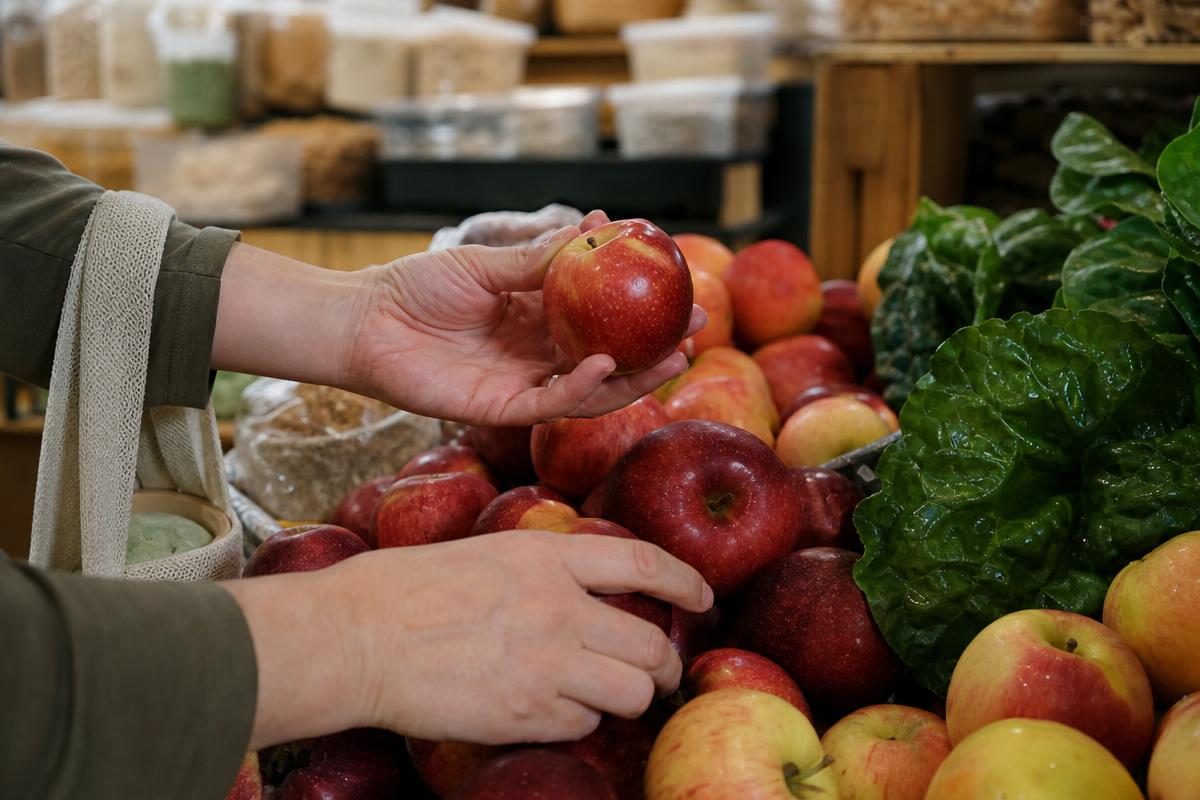
Perishable produce you can’t finish. A five-pound bag of spinach or a flat of berries is a great price until half of it rots in the crisper drawer. Buy produce here only for a crowd, a party, or heavy meal-preppers. For a small household, the smaller supermarket bunch wastes less money.
Spices in giant jars. Ground spices lose their punch within six months to a year. That warehouse-sized paprika will taste like sawdust long before you reach the bottom. Buy spices small and fresh unless you run a restaurant.
Name brands where Kirkland matches quality. Paying up for a national label sitting next to an equal or better Kirkland version is just throwing money away. Batteries, water, foil, and trash bags are the clearest examples. Check the house brand first.
Anything with a better single-store sale elsewhere. Warehouse prices are steady, not rock-bottom. Soda, snack brands, and seasonal loss leaders often hit lower prices during a supermarket promotion or a drugstore sale. If you track prices, you’ll spot the gaps.
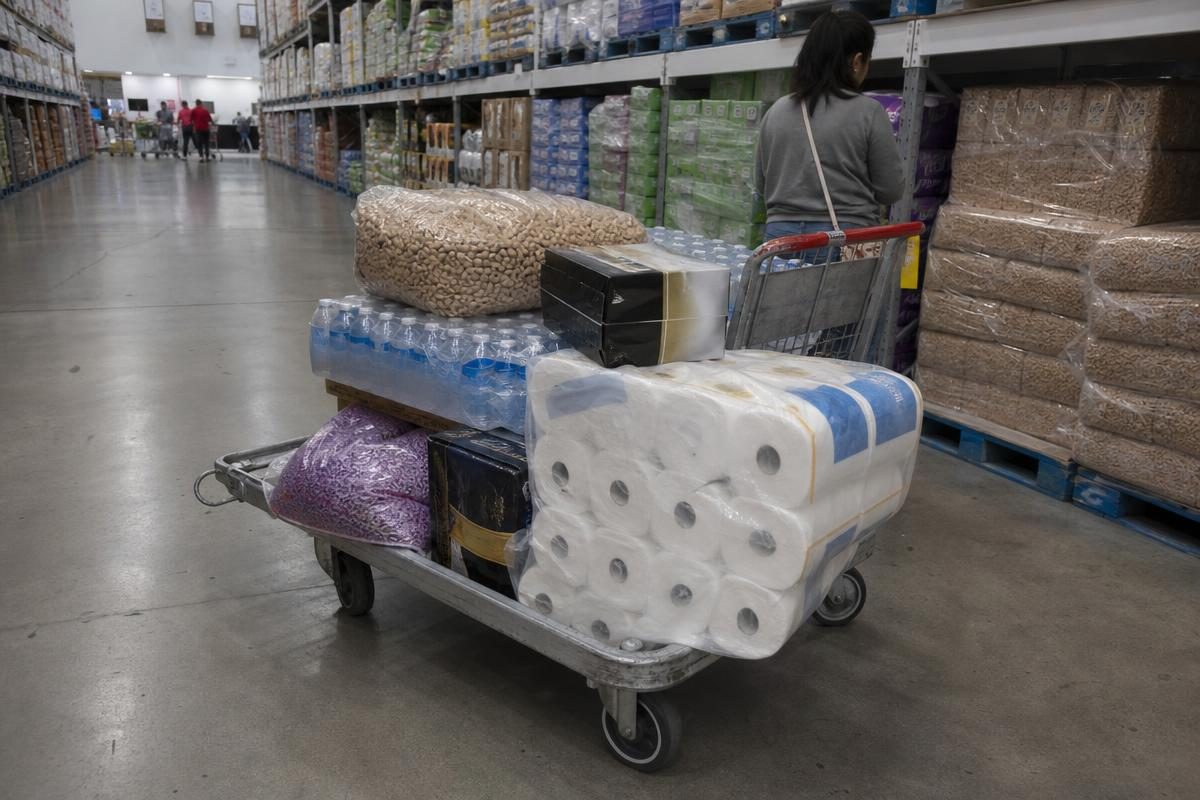
Anything you lack storage for. A 36-roll pack of paper towels is only a deal if you have somewhere to put it. Cramming bulk buys into a small apartment, or letting them clutter a closet you’ll trip over, cancels out the savings in stress alone.
Tips to Shop the Warehouse Smart
A few habits turn a chaotic warehouse run into a controlled one. The goal is to leave with what you planned for and skip the impulse pallets.
- Go early on a weekday. Tuesday through Thursday mornings, right at opening, are the calmest. Weekends and the hour before close are packed, and a crowded floor pushes impulse buys.
- Do the unit-price math. The shelf tag shows price per ounce or per pound in small print. Compare it against your regular store before you assume bulk wins. Sometimes it doesn’t.
- Watch for the asterisk. A star in the top-right corner of a price tag means the item is being discontinued and won’t be reordered. If you love it, stock up now.
- Decode the price endings. Prices ending in .97 are manager markdowns, and .00 or .88 endings often signal a clearance item the store wants gone.
- Use the app. The official app stores your digital membership card, shows current warehouse and online deals, and lets you refill prescriptions, so you can plan the trip before you leave home.
Knowing what to buy at Costco comes down to matching the warehouse’s strengths to how you actually live: stock up on the non-perishables, meat, and Kirkland staples you’ll genuinely use, lean on gas and the pharmacy to earn back the fee, and leave the oversized produce and giant spice jars on the shelf. Shop with a list, check the unit price, and the membership pays for itself long before the year is out.
Frequently Asked Questions
Is a Costco membership worth it?
Yes for most households of two or more that spend at least $250 a year on groceries, gas, and household goods. The $65 Gold Star tier pays off quickly through fuel and bulk staples alone. The $130 Executive tier breaks even once you spend about $3,250 a year thanks to its 2% annual reward. Single people who rarely cook or lack storage are the main group who won’t recover the fee.
What is the most popular thing to buy at Costco?
The $4.99 rotisserie chicken is the signature buy, with the company selling more than 100 million a year and deliberately keeping the price flat to draw shoppers in. The $1.50 hot dog combo and Kirkland Signature staples round out the most-bought list. These anchor items are why so many members walk in for one thing and leave with a full cart.
Is Kirkland Signature good quality?
Kirkland Signature is generally high quality because many products are manufactured by the same national brands they sit next to on the shelf. The batteries are made by Duracell, the espresso blend is roasted by Starbucks, and the olive oil has won blind taste tests. In most categories you get name-brand quality at a house-brand price, which is exactly why longtime members reach for it first.
What should you not buy at Costco?
Skip perishable produce you can’t finish, ground spices in giant jars that lose flavor within a year, and name brands where an equal Kirkland version sits beside them. Also skip items your local store puts on a deeper single-store sale, and anything you have no room to store. Bulk pricing only saves money when you use the whole thing before it spoils or becomes clutter.
What day is best to shop at Costco?
Tuesday through Thursday mornings, right when the warehouse opens, are the least crowded times to shop. Weekends, holidays, and the final hour before closing bring the heaviest traffic and the longest checkout lines. Shopping the quiet window also gives you first pick of fresh bakery items and any newly stocked seasonal deals before they sell out.
Editorial Note
Reviewed by the wheretobuyguides.com editorial team. Last updated: July 2026. Our team tracks warehouse pricing structures, membership tiers, and the Kirkland Signature lineup to keep this shopping guide accurate and genuinely useful for everyday members deciding where their money goes furthest.