
Picture two carts that each hold a week of groceries. One is filled with house-label basics, bulk oats and nuts, a cut-to-order wedge of cheese, in-season fruit, and whatever carries a yellow sale sign. The other holds the same boxed cereal, bottled water, and paper towels sold at every supermarket in town. The first cart is where the best things to buy at Whole Foods live, and it rings up close to a conventional grocery store bill for better sourcing. The second is how the chain earned its “Whole Paycheck” nickname. This guide shows you how to build the first one.
This page contains affiliate links. We may earn a commission at no extra cost to you.
Why Whole Foods Market Prices Split Two Ways
Whole Foods Market is a natural and organic grocery chain that Amazon bought for 13.7 billion USD in August 2017. It runs roughly 550 stores across the United States, Canada, and the United Kingdom, plus a small-format Daily Shop concept in Manhattan built around grab-and-go food and weekly essentials.
The premium comes from its quality standards. According to the company’s published quality standards, food on its shelves cannot contain any of 300+ banned colors, and the full banned list runs past 575 ingredients across food, beverages, body care, cleaning products, and supplements. Fresh beef, pork, and chicken must meet more than 100 animal-welfare standards, and every piece of seafood is traceable to its farm or fishery.
That screening costs nothing extra on a store-label can of beans. It costs a lot on a national brand you could buy anywhere. So the useful question is not whether the store is expensive, but which shelves carry the screening without the markup. The chain lists its current member programs on its official ways-to-save page.
The Best Things to Buy at Whole Foods, Counter by Counter
Four departments do most of the work: the house-label aisle, the bulk section, the staffed counters, and the prepared-food bars. In-season produce rounds it out.
The house label and its short ingredient lists
365 by Whole Foods Market is the chain’s private label, and it sits under the same ingredient rules as everything else in the store. That makes it the single strongest reason to shop at Whole Foods. Extra-virgin olive oil, organic black beans, pasta, frozen berry and mango blends, tortilla chips, almond and peanut butter, yogurt, and coconut oil all carry the label at prices built to compete with national brands. Private-label salsa, soy sauce, and salad dressing often show shorter ingredient lists than the name-brand bottle beside them. You can compare current pricing on Amazon for the house olive oil before you go.
Bulk bins and Allegro coffee
Anything priced by the pound skips the packaging markup. Grains, dried beans, rolled oats, nuts, dried cranberry, herbs, and coffee beans all qualify, and you take exactly what a recipe needs. Not every location still runs a full bulk section, so check yours before planning around it. The coffee comes from Allegro Coffee, a Boulder roaster Whole Foods has owned since 1997, and buying a half pound from the bin is a cheap way to test a roast before committing to a sealed bag.
Cheese, meat, and seafood counters
Staffed counters are the second reason to walk in. Cheesemongers cut wedges to order, so four ounces of Parmesan costs four ounces’ worth, not a full wheel’s. Pro tip: ask whether cheese ends are available, since a counter with offcuts usually prices them below the wedge. Butchers portion and grind meat on request, and the seafood counter will trim a cod fillet to size. The company states that its bacon and sausage contain no synthetic nitrates or nitrites and that all of its canned tuna is single-line pole caught. Organic Valley dairy and grass-fed beef sit in the same corner.
Prepared foods and the hot bar
The hot bar, salad bar, pizza by the slice, and rotisserie chicken price out close to fast-casual takeout with better ingredients. Bar food is sold by weight, so a heavy scoop of rice and sauce costs the same per pound as roasted salmon; load the protein and skip the filler. Vegan, paleo, gluten-free, and dairy-free items are labeled at the bars, and the freezer aisle carries plant-based brands, including Beyond Meat. For a weeknight dinner, a rotisserie bird and a bagged salad is the cheapest hot meal in the building.
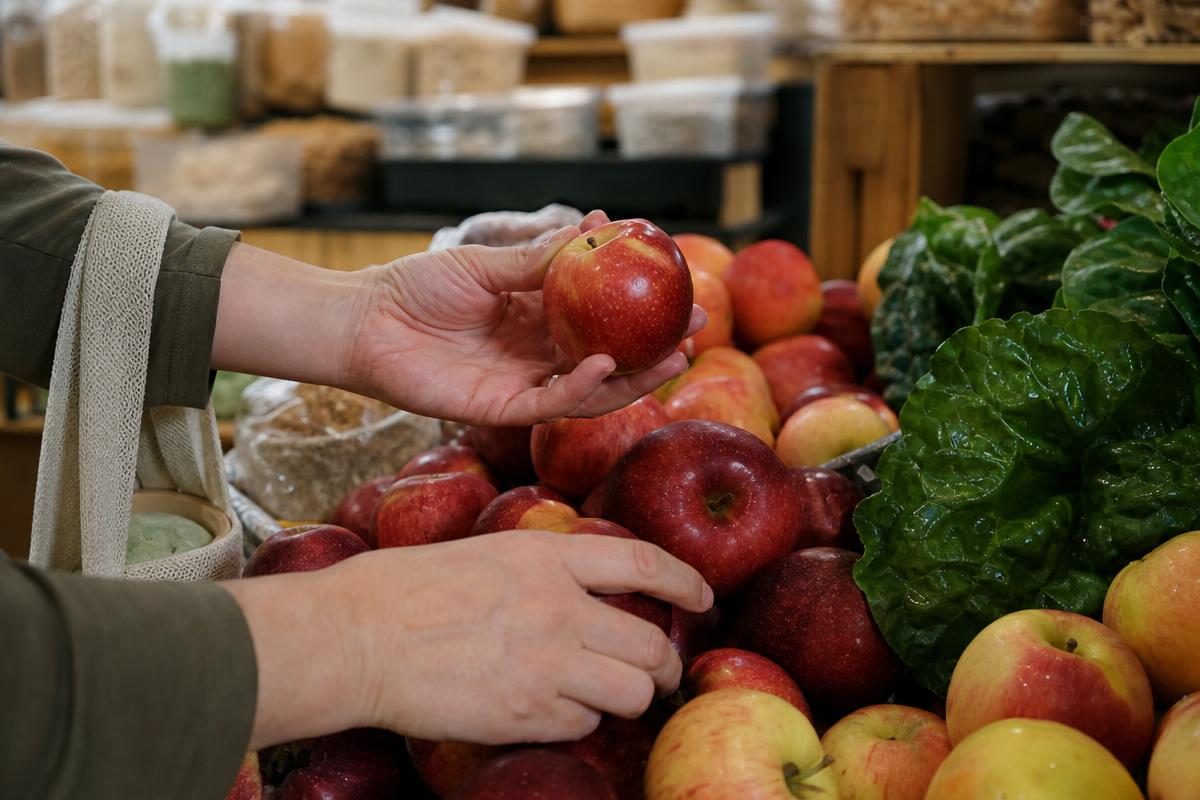
Produce follows one rule: buy what is in season. Local summer berries, fall apples, winter citrus, and in-season pineapple move fast and price near market rate. The same fruit flown in during the off-season does not, and the USDA Organic seal does not rescue the price.
How Store Signs and Prime Pricing Change the Math
The shelf signs tell you which price you are actually looking at. Whole Foods publishes the following programs on its ways-to-save page.
| Sign or program | What it means | Who gets it |
|---|---|---|
| Yellow sign | Current sale price | Every shopper |
| Extra 10% off sale items | Stacks on the yellow-sign price, alcohol excluded | Amazon Prime members |
| Blue sign | One of 30+ weekly Prime-exclusive deals | Amazon Prime members |
| Prime Tuesday and Friday deals | Tuesday: rotisserie chicken, packaged soup, ground beef. Friday: sushi, oysters, pizza | Amazon Prime members |
| “Low Price” sign | Everyday competitive price on popular items | Every shopper |
| Prime Visa | 5% back on Whole Foods purchases | Cardholders with eligible Prime |
To get member pricing, scan the Prime code in the Whole Foods app at checkout or give the phone number linked to your Amazon account. If you shop here weekly, timing the trip for Tuesday or Friday is the easiest way to stack the Prime layer on top of a sale price. Without Prime, the yellow-sign and Low Price items still count; you just miss the second layer.
What to Skip and Buy Somewhere Else
The most expensive mistake is treating the store like a one-stop grocery shop. Four categories reliably cost more here.
- National packaged brands. Cereal, crackers, condiments, and canned goods in the identical box sold at Kroger or Target. Same package, so price is the only variable.
- Out-of-season produce. Berries in January are air-freighted and marked up hard. Frozen fruit is the smarter swap for anything you need year round.
- Bottled water and paper goods. Cases of sparkling water, paper towels, and toilet paper carry some of the worst per-unit pricing in the store. A warehouse club wins, and our guide to what to buy at Costco covers the bulk math.
- Checkout-lane snacks. Boxed granola bars, jerky, potato chips, and single-serve beverages near the registers are priced for the healthy halo. The house-brand version usually costs less with a similar label.
Ordering Whole Foods Groceries Online
Three online paths exist, and they price differently.
Amazon.com. The house line sells directly on Amazon, the simplest way to get shelf-stable pantry items shipped without a trip. Coffee drinkers can check availability online for the in-house roasts.
Store delivery and pickup. Orders from your local store run through your Amazon account in select ZIP codes. The company’s site says Prime members get unlimited grocery deliveries with no delivery fees and that pickup is free; check checkout for any order minimum or service fee in your market. Stores also accept free Amazon package returns, with no box needed.
Third-party sellers. Resellers list house-brand products on Amazon and eBay at marked-up prices, sometimes close to expiration. Check the seller name and the best-before date. Thrive Market, an online membership grocer, is a useful price check on organic dry goods.
The trade-off: online, you cannot judge produce freshness or ask the counter for a custom cut. For anything fresh, go in person.
Return Policy: 30 Days With Proof of Purchase
The Whole Foods Market return policy guarantees 100% satisfaction on every product it sells, with a full refund or exchange within 30 days of purchase. Every return needs proof of purchase, and refunds go back to the original form of payment.
| Purchase | Returnable at the store? | Note |
|---|---|---|
| Food bought in store or on wholefoodsmarket.com | Yes, within 30 days | Receipt or other proof of purchase |
| Apparel and shoes | Yes | Unworn, tags attached |
| Alcohol | Depends on location | State and local rules apply |
| Gift cards | No | Not redeemable for cash |
| WIC purchases | Exchange only | Identical food items |
| Items bought on Amazon.com | Drop-off only | Amazon’s own policy decides the refund |
The practical gotcha: raise a problem with an opened perishable on your next visit, not weeks later, since the 30-day clock and your receipt both matter. Our roundup of stores with the best return policy compares windows across chains.
Our Top Whole Foods Picks
These five come up often in shopper roundups and hold their ground against the national alternative.
Best overall: 365 Organic Extra Virgin Olive Oil. An everyday cooking oil at store-label pricing that handles sautéing, dressings, and a salt and pepper finish on roasted potato wedges. Compare pricing on Amazon
Best budget: 365 Canned Beans. Black, pinto, and garbanzo with short ingredient lists, a pantry staple for weeknight tacos. See current pricing
Best for coffee drinkers: Allegro Coffee whole bean. The chain’s own roaster, and the bulk bins let you take a half pound home first.
Best snack: Siete grain-free tortilla chips. Cooked in avocado oil with sea salt and a short ingredient list, with enough crunch for a thick salsa. Primal Kitchen mayo and dressing follow the same short-label approach a few shelves over. Check the current listing
Best dessert: Unreal dark chocolate. A dessert bar made with fewer additives than typical checkout candy. See it on Amazon. Our dark chocolate buying guide compares other bars.
Prices move constantly, so check the app for member pricing before you commit.
Start your next list with three lines: one house-label item, one item from the bulk bins, and whatever the fresh counter has under a yellow sign, ideally on a Tuesday or Friday if you have Prime. Buy branded cereal, bottled water, and paper goods elsewhere. Handled that way, the best things to buy at Whole Foods add up to a cart that costs less than the store’s reputation suggests, and our grocery store shopping guide covers how to split one list across two stores.
Common Questions About Shopping at Whole Foods
What are the best things to buy at Whole Foods on a budget?
The store’s house label, bulk grains and nuts, rotisserie chicken, and anything under a yellow sale sign. Prime members add an extra 10% off sale items, and the Tuesday deal list has included rotisserie chicken, packaged soup, and ground beef.
What is the 365 brand?
It is the chain’s private label. The line covers cooking oils, canned beans, frozen fruit, yogurt, probiotic drinks, snacks, and more, and it follows the same banned-ingredient standards as the rest of the store.
Do you need Amazon Prime to save money there?
No, but Prime carries the deepest discounts. Members get an extra 10% off sale items (alcohol excluded) plus 30+ exclusive weekly deals, applied by scanning the app code at checkout. Without Prime you still get yellow-sign sales and Low Price items.
How long do you have to return something to Whole Foods?
Thirty days from the date of purchase, with proof of purchase. The store promises a full refund or exchange on products you are not satisfied with; gift cards are excluded and alcohol follows state and local rules.
What are the best-selling products at Whole Foods?
The chain does not publish a best-seller ranking. The items that dominate shopper roundups are the house-label olive oil and canned goods, bulk coffee, cut-to-order cheese, rotisserie chicken, and the prepared-food bars.
Policy and program details on this page reflect Whole Foods Market’s published return policy, quality standards, and ways-to-save page as of October 2026. Deals vary by region, so confirm current pricing in the app.