
Buy Walden Farms online first: Amazon and the brand’s own store at waldenfarms.com carry the deepest range, Walmart.com and the Kroger family of grocers cover the core syrups and salad dressings, and Netrition fills gaps in items that have left grocery shelves. The brand is still operating in 2026 under Panos Brands, but in-store selection is thin and inconsistent, so treat a supermarket visit as a bonus rather than the plan. Opinion on these diet condiments splits hard, which is why one bottle beats a six pack as a first order.
This page contains affiliate links. We may earn a commission at no extra cost to you.
What Walden Farms Sells Right Now
Walden Farms is a diet food brand that makes zero calorie salad dressings, syrups, dips, spreads, coffee creamers and condiments by replacing the sugar and fat of conventional versions with sugar substitutes, water, fiber, thickeners and flavoring. It started in 1972 with zero fat salad dressings and was acquired in 2017 by Panos Brands, a New Jersey specialty food company that still lists it among its labels. So it is not a supermarket private label.
The current catalog on the brand store runs to roughly a dozen families:
- Syrups: Original Recipe Pancake, Maple Walnut, Blueberry, Strawberry, Caramel and Chocolate.
- Zero calorie dressings: Ranch, Thousand Island, Bleu Cheese, Italian, Honey Dijon, Raspberry Vinaigrette, Balsamic Vinaigrette, Sweet Onion, French, Russian, Coleslaw and more.
- New recipe dressings: Sesame Ginger, Caesar, Chipotle Ranch, Garlic and Herb Vinaigrette, plus reworked versions of the classics.
- Sauces and condiments: Ketchup, three BBQ sauces, Amazin’ Mayo, Chipotle Mayo, Alfredo, a seafood dipping sauce and street taco sauces.
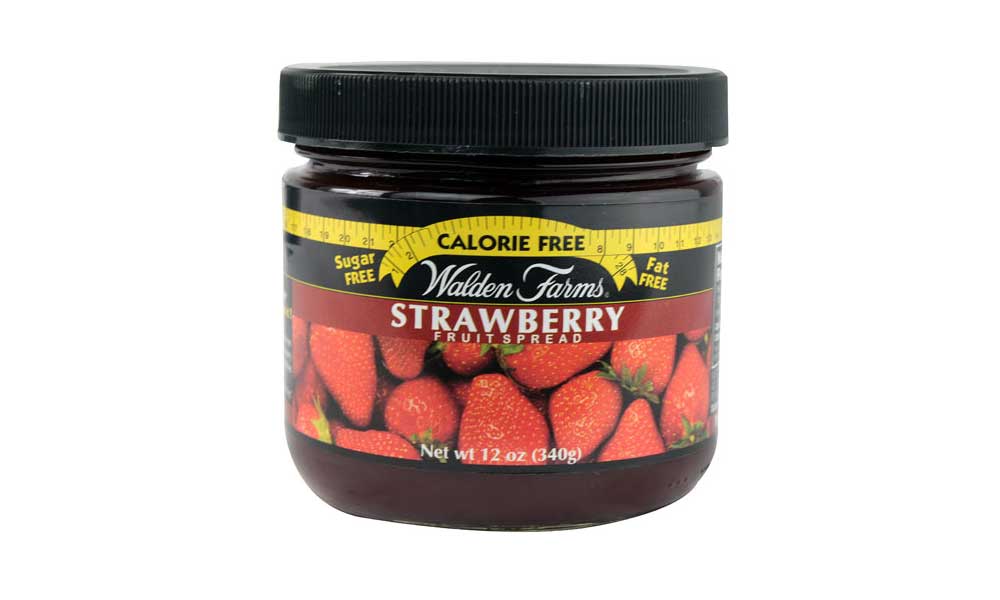
- Sweet stuff: fruit spreads, Whipped Peanut Spread, Chocolate Peanut Spread, marshmallow, caramel and chocolate dessert dips, and six coffee creamers.
When we checked waldenfarms.com in October 2026, a large share of that list carried a sold out tag, including Ketchup, the Original Recipe Pancake Syrup and every dessert dip, while Caramel and Maple Walnut syrup, most of the new recipe dressings and Whipped Peanut Spread were in stock. Stock flips often, so check before you build a recipe plan around one jar.
One more change worth knowing: the brand now sells a separate low calorie dressing line that it markets as made with olive oil at 35 calories or less. Not every bottle with the name on it is zero. And watch the search results: Walden Local Meat is an unrelated New England meat delivery business. Beef shares on the screen means you are on the wrong site.
How the Zero Calorie Label Actually Works
“Calorie free” is a defined label claim, not a physical absence. Under FDA rule 21 CFR 101.60, a food can carry it when it contains fewer than 5 calories per reference serving and per labeled serving, and the U.S. food labeling rules let that amount be printed as 0 calories on the Nutrition Facts panel.
The catch is the serving size. For salad dressings it is two tablespoons. Pour a quarter cup over a bowl and you have four servings, each legally zero, that together may not be. The panel is accurate at the printed amount, and that is all it promises.
Net carbs are a second trap. The FDA has never defined “net carbs,” so the zero net carbs line on many labels is the brand’s own math: total carbohydrate minus fiber. A dressing label listing 2 g total carbs and 1 g fiber is how a keto shopper ends up reading 0 net carbs. If you track carbs strictly, log the total carbohydrate line, not the front of the bottle.
Who it fits: people tracking intake or carbs, anyone eating keto, and cooks who want sauce on the plate without moving their numbers. It is a diet food swap, not nutrition and not a treatment for any condition. If you are managing a medical diet, ask your dietitian which labels to trust.
Sucralose, Stevia or Erythritol: Check the Sweetener Before You Buy
The sweetener depends on the product and the formula year. The Pancake Syrup listings at Kroger and Harris Teeter still show sucralose, the artificial sweetener most people associate with this brand. The dressings reworked in the 2022 rebrand moved toward natural flavors, and the Chipotle Ranch ingredient list from a co-op distributor shows stevia leaf extract and no sucralose at all. Some versions sold outside the U.S. use erythritol instead.
Why it matters: sweetener taste is the single biggest reason a jar gets reordered or binned. If sucralose reads metallic to you, a new recipe dressing might work where the syrup did not, and the reverse is just as likely. Old reviews and recipe blogs describe formulas that may no longer be on the shelf, so read the jar in front of you.
The same rule covers allergens. The range spans dairy free and milk containing items, and gluten status varies by product, even though the original Ranch is labeled gluten free, dairy free and vegan. Texture is the other variable. Remove the fat and you remove the body, so pourable bottles run thinner than full fat originals, and the peanut butter and chocolate spreads divide people most; the r/Volumeeating thread on this brand circles back to texture more than flavor.
Best Places to Order It Online
Online is the reliable route, since grocery shelf space for diet condiments keeps shrinking. Five sources cover close to the whole catalog between them, and each has a different strength.
Amazon
The widest in-stock selection of Walden Farms single jars, bundles and variety boxes, and the easiest place to compare jars side by side. Some listings ship from third party sellers, so check who is selling and the best by date before you order a multi pack. Browse the selection on Amazon.
Walmart.com
Walmart runs a dedicated brand page, and it is a solid source for the core condiment and salad range, with store pickup where your Supercenter stocks it. Set your store first and compare the per oz price against Amazon. Check availability at Walmart.
waldenfarms.com
The only place that lists the full current catalog, including flavors that have rotated out of grocery entirely, plus bundles you assemble yourself. Its delivery page promises free shipping in 1 to 3 business days on orders over $50, which makes a mixed case the sensible way to order direct. Shop the brand site.
Netrition
A specialty low carb grocer with a deep dressing and sauce set, including items mainstream sites drop. Worth checking when your pick is sold out on the brand store. See the specialty listing.
iHerb, Vitacost and Target.com
All three list a rotating subset, not the full range. Target keeps a small set of the best known syrups and condiments; iHerb ships internationally, which matters outside the United States. Browse the international option or see the Target listing.
Grocery Chains That Stock It
In store, look in the natural foods or diet aisle rather than the regular condiment shelf, and expect a handful of bottles instead of the full catalog. Two grocery groups account for most of the shelf presence.
Kroger and its banners. Kroger, King Soopers, QFC and Harris Teeter all carry product pages for Walden Farms syrups and the Italian dressing on the shared Kroger platform, and Ralphs, Fred Meyer, Smith’s and Dillons run on the same system. Search your own store on the site before driving over.
Ahold Delhaize stores. Food Lion, Stop & Shop, Giant, Martin’s and Hannaford list the zero calorie Ranch, pancake syrups or Caramel Syrup in their online grocery catalogs, which is the strongest East Coast footprint the brand has. Delivery or pickup through those sites saves a wasted trip.
Walmart Supercenters and others. Supercenter aisles carry a narrower set than the website; the store stock filter in the Walmart app tells you what your location has today. Acme lists Thousand Island too. Sprouts and Whole Foods Market are store dependent at best, so treat either as a maybe. If your grocer dropped the line, ordering direct is the fix.
Sugar Free Alternatives When a Jar Disappoints
If one flavor misses or the item you want stays sold out, three sugar free brands cover most of the same jobs. Each one wins a different category, and none of them is zero across the board.
- G Hughes. The stronger pick for barbecue sauce and marinades, with a thicker, more traditional body, though it carries a few calories per serving instead of none. See it on Amazon.
- Jordan’s Skinny Syrups. Better for coffee and drink syrups, with a wider flavor range built for lattes and cold brew. See it on Amazon.
- ChocZero. The choice when texture matters most on syrups and chocolate toppings, built around monk fruit, at a higher price and with a small calorie count. See it on Amazon.
Skip the diet route entirely if you are cooking rather than dieting. A small pour of real maple syrup, an oil based dressing such as Primal Kitchen, or a spoon of real pistachio butter will out-taste any diet swap when macros are not the goal. For a lighter frozen treat in the same spirit, see where to find Arctic Zero frozen desserts.
Five Jars to Start With
These five are the easiest entry points, chosen on review consensus across Amazon and retailer listings plus how well each format survives losing the fat. Syrups and sweet dips handle the swap best; anything that has to read as creamy is where expectations break.
Best overall: Pancake Syrup. It pours, it carries a maple and vanilla note, and Amazon reviewers name it more often than any other item as the one they reorder for breakfast. If the brand store shows it sold out, grocery and marketplace stock is usually the faster route: Amazon, Walmart, or Target.
Best for coffee and desserts: Caramel Syrup. A pourable topping for coffee, yogurt bowls and protein oats, rounder and more buttery than the pancake version. Find it at Amazon, Walmart, or Target.
Best condiment: Ketchup. A sugar free stand-in for a category where conventional versions carry real added sugar. Thinner and tangier than Heinz, and the closest thing in the range to a straight substitution on eggs or chicken. Find it at Amazon, Walmart, or Target.
Best dressing: Ranch. The salad flavor that shows up most in reviews, and more often used as a raw vegetable dip than over greens. Expect thinner and tangier than a buttermilk ranch; its label lists 0 calories and 160 mg sodium per two tablespoons. Find it at Amazon, Walmart, or the brand site.
Most divisive, buy one only: Peanut Spread. The item that splits reviewers hardest. It aims at peanut butter without the fat: fans spoon it onto apple slices, critics call it powdery. Find it at Amazon, Walmart, or direct.
Once opened, chill every jar and go by the best by date, since water based dressings lose their flavor long before they spoil; discard anything that will not stir back together. Stocking a diet pantry? These pair well with this guide: where to buy Quest Bars, where to buy nutritional yeast, and our roundup on where to buy supplements. For the coffee bar, see the chocolate covered coffee beans guide, and browse the rest of our food buying guides.
Start narrow. Order one bottle of Walden Farms Pancake Syrup or Ranch from whichever retailer above ships soonest, check the sweetener on the label, and taste it against whatever it replaces. If it earns a spot, move up to a mixed order on the brand store to clear the free shipping line. If it does not, try one jar from a different sweetener family before you write off the brand.
Walden Farms Questions Shoppers Ask
Who owns the brand?
Panos Brands, a New Jersey specialty food company that acquired the label in 2017 and lists it among its brands. It is neither a supermarket private label nor a store brand, and it is unrelated to Walden Local Meat despite the name.
Are these products really zero calories?
Almost. FDA rules let a food with fewer than 5 calories per serving be labeled calorie free and printed as zero, so most items sit just under that line at the printed serving size rather than at literal nothing. For salad dressings that serving is two tablespoons, and the newer olive oil dressings are low calorie, not zero.
Are Walden Farms products healthy?
That depends on what you compare them against. They are calorie free by label, which is why macro trackers reach for them, but they are processed toppings built on sugar substitutes, thickeners and preservatives rather than whole foods. Swaps, not nutrition, and not a treatment for any condition.
Does Walmart sell them?
Yes. Walmart.com has a brand page for the line, and Supercenter grocery aisles carry a narrower selection that varies store to store. Use the stock filter in the app before the trip, since the website range and the shelf range are not the same thing.
Do they still use sucralose?
Some products do. Pancake Syrup listings at Kroger-family stores show sucralose, while reworked dressings such as Chipotle Ranch use stevia leaf extract instead. Formulas change, so the ingredient list on the bottle you buy is the only reliable answer.
Where can I buy it if my store dropped it?
Amazon, waldenfarms.com and Netrition stay the most reliable once local shelf space disappears, and iHerb handles international shipping. Kroger and Ahold Delhaize grocery sites also offer delivery or pickup on the core range.
The wheretobuyguides.com editorial team checked the brand store catalog and retailer ingredient listings for this guide in October 2026. Prices change too often to quote here.