
Decide one thing before you shop for nutritional yeast: do you want it as a source of vitamin B12, or only as a seasoning? If B12 is the reason, buy a fortified brand and confirm the number on the nutrition panel, because the yeast does not make that vitamin itself. If flavor is the reason, either kind works, and the cheapest route is usually a one-pound bag online or a scoop from a bulk bin. Look for it in the natural foods aisle, not with the spices.
This page contains affiliate links. We may earn a commission at no extra cost to you.
What Nutritional Yeast Is, and Where Its B12 Comes From
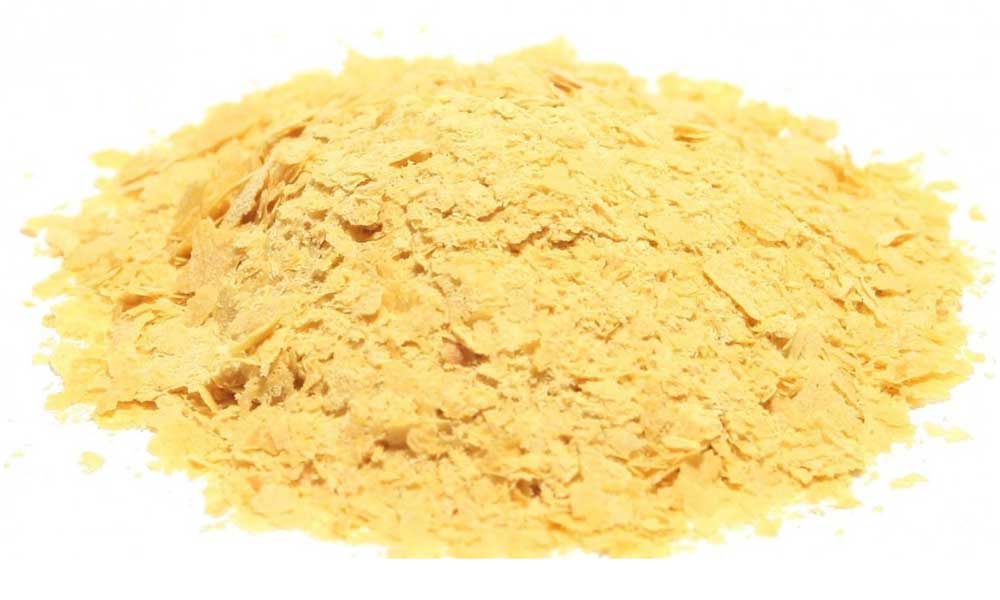
Nutritional yeast is a strain of Saccharomyces cerevisiae, the same species used for bread and beer, grown on a sugar medium such as molasses, then heated to deactivate it and dried into flakes, granules or powder. The yeast cells are dead, so it cannot leaven dough or brew beer. It is sold as a food product and works as a spice or condiment, often called nooch.
Its appeal is a savory flavor that reads as cheese without any dairy. The umami flavor comes largely from glutamic acid, which is why vegan cooks use it in cheese sauce, pesto, soup, pasta and on popcorn.
The B12 is the part people misunderstand. The reason a plain bag carries essentially none is simple: yeast cannot produce B12. The National Institutes of Health Office of Dietary Supplements states that plant foods have no vitamin B12 unless they are fortified, names nutritional yeasts among the foods that are sometimes fortified, and sets the adult recommended amount at 2.4 mcg a day. It also notes that vegetarians and vegans might not get enough of this nutrient from diet alone. Manufacturers that fortify nutritional yeast add B12 at the factory. That makes the fortified kind a useful source of vitamin B12 for anyone on a plant-based diet, and the unfortified kind a seasoning only. A registered dietitian or your doctor should set your own intake.
How to Read a Nooch Label Before It Goes in the Cart
Fortified nutritional yeast lists the added vitamins in its ingredients, usually niacin, riboflavin, thiamin (vitamin B1), pyridoxine hydrochloride (B6), folic acid and cyanocobalamin (B12). Those vitamins and minerals come from the manufacturer, not the fungus. A bag whose ingredient list reads only dried yeast has nothing added.
What the front of the bag does not tell you is how much B12 is inside, and the amounts differ by brand. A 2020 survey by the Vegetarian Resource Group compared eight brands and found two that listed 0 mcg. Current labels still vary:
| Product | Added B vitamins | B12 on the label | Other label notes |
|---|---|---|---|
| Bob’s Red Mill | Yes | 9 mcg per 2 Tbsp (8 g) | Gluten-free, kosher pareve |
| Bragg | Yes | 15 mcg per 2 tbsp | Vegan, gluten-free |
| Red Star (sold in bulk) | Yes | Listed as fortified | Repacked by bulk sellers |
| Sari Foods | No | None added | Sold direct in 8 and 24 oz |
Labels as shown on each maker’s or seller’s product page in October 2026. Serving sizes differ, so compare per tablespoon, not per serving.
- Decide whether you need B12. If you do, only a fortified product counts. If you want no extra vitamins, look for “non-fortified” on the front.
- Confirm it on the panel. Vitamin B12 should appear with an amount and a daily value percentage, and cyanocobalamin should be in the ingredients.
- Pick the form for how you cook. Flakes suit sprinkling on popcorn, pasta and salad. Granules suit shakers. Powder suits sauces and dips, and it packs more into a tablespoon, so start at about a third of the volume the recipe calls for.
- Compare price per ounce. A small branded shaker costs far more per ounce than a one-pound bag or a bulk bin scoop.
- Choose packaging that reseals. The product pulls moisture from the air and clumps, so a screw-top canister or zip bag keeps it pourable.
B vitamins are water-soluble, and labels give the added amounts per serving, so check the serving size before assuming one brand is stronger than another.
Where to Find Nutritional Yeast in Stores
Most large grocery chains carry at least one brand. The hard part is the aisle: it usually sits with natural foods, health food or near the supplement shelves, rarely with spices or baking supplies, which is why shoppers conclude their store does not stock it.
Walmart
Walmart lists several brands online, including NOW Foods and a Foods Alive non-fortified seasoning. Shelf stock is store-specific, so check the app for your store before driving over, then look in natural foods first and baking second.
Whole Foods Market
Whole Foods Market carries packaged brands, and in stores with a bulk section a small scoop is the cheapest way to test the taste before committing to a pound. It is a reliable stop on our roundup of what is worth buying at Whole Foods. Dairy-free shoppers often grab it alongside Daiya cheese alternatives or kefir.
Kroger, Harris Teeter, Trader Joe’s and Co-ops
Kroger and Safeway stores generally shelve it in the natural foods set. Harris Teeter lists Red Star Vegetarian Support Formula. Trader Joe’s has carried a 4-ounce private-label container, and regional co-ops such as PCC Community Markets in Seattle sell Red Star in bulk in two grind sizes. Unfortified nutritional yeast is easier to find at co-ops and independent natural grocers than at national chains, so call ahead for a specific brand.
Ordering Online: Marketplaces, Brand Sites and Bulk Bags
Online is where per-ounce pricing works best, especially at one pound and up.
Amazon
Amazon #ad carries the widest brand range, from small shakers to multi-pound bags on one results page. Sort by unit price, and read the ingredient photo rather than the title, since sellers do not always say whether a listing is fortified.
Brand Sites
Bragg sells through its own site in 4.5, 12 and 24 oz sizes, with a store finder for local stock. Bob’s Red Mill sells direct, and Sari Foods sells its non-fortified version from its own store in 8 and 24 oz bags. Ordering direct helps when you want one specific formula rather than whatever a marketplace seller has listed.
Bulk Sellers
BulkFoods.com repacks fortified Red Star yeast in 1 lb, 5 lb and 30 lb sizes. On October 14, 2026 it listed the 1 lb bag at $10.69 and the 5 lb bag at $44.49, about $8.90 a pound. Shipping can erase the gap on smaller orders, and five pounds is a lot of a shelf-stable seasoning that still loses flavor once opened.
Four Mistakes That Cost Shoppers Money or B12
- Buying the wrong yeast. Baker’s yeast is alive and raises dough. Brewer’s yeast is a brewing by-product with a more bitter taste, sold mostly as a supplement. Inactive nutritional yeast is the mild one grown as food.
- Assuming every bag is fortified. Non-fortified bags sit beside fortified ones and look alike. If B12 is your reason, the panel decides, not the brand.
- Swapping in powder by volume. A recipe written for nutritional yeast flakes turns harsh with the same measure of powder.
- Skipping the tyramine question. Hospital diet sheets for people taking MAO inhibitors list concentrated yeast products among tyramine foods to limit. If you take an MAOI or track migraine triggers, ask your prescriber first.
Four Picks by What You Need
Chosen on B12 status, form and how easy each is to find. Three are fortified; one deliberately is not. Prices move often, so check the current listing.
Best overall: Bragg Nutritional Yeast Seasoning. Fortified, vegan and labeled gluten-free, with 15 mcg of B12 per 2 tbsp on its current panel, which makes it a great source of several B vitamins. The company has been owned since 2019 by an investor group led by Swander Pace Capital. Buy the small size to settle whether you like the taste, then size up. Check price on Amazon
Best value: Anthony’s Premium Nutritional Yeast. A one-pound bag fortified with B vitamins including B12, listed as gluten-free and non-GMO. The one-pound size is where per-ounce pricing turns in your favor. Check price on Amazon
Best unfortified: Sari Foods Non-Fortified Nutritional Yeast. For buyers who specifically do not want added vitamins. Be clear about the trade: this one is not a source of vitamin B12. Check price on Amazon
Best pantry staple: Bob’s Red Mill Nutritional Yeast. A coarse, large-grind style with added B vitamins, 9 mcg of B12 per 2 Tbsp, labeled gluten-free and kosher pareve. The company says it has been 100% employee owned since 2020. Check price on Amazon
Start with the label, not the brand. If you need B12, pick fortified nutritional yeast and confirm the amount on the panel before checkout. Then match the form to how you cook, and price a one-pound bag online against the shaker at your store. New to it? A bulk bin scoop answers the taste question for very little money.
Questions Shoppers Ask
Does nutritional yeast taste like cheese?
It tastes nutty and savory, closer to aged Parmesan than to fresh dairy. The cheesy flavor comes from glutamic acid, the same compound behind the depth in tomatoes and mushrooms. It is not a one-for-one swap, but it carries a vegan cheese sauce or a dairy-free pesto well.
Who should check with a clinician before eating it?
Anyone taking MAO inhibitors or tracking migraine triggers should ask first, because concentrated yeast products appear on tyramine-limit lists. People managing kidney disease or an inflammatory bowel condition usually have individual dietary limits, so that is a care-team question too. For most adults it is an ordinary food, not a dietary supplement.
Can you use it to make bread or beer?
No. The inactive yeast cannot make bread or beer, because dead cells produce no gas and no alcohol. Bakers sometimes stir a spoonful into dough for flavor, but the rise still comes from live baker’s yeast in the same recipe.
Does it go bad?
It is a shelf-stable dried product, so it fades rather than spoils. The savory edge flattens and it clumps once moisture gets in. Store it sealed, dark and cool, away from the stove, and buy a size you will finish within the date on the bag.
Is it gluten-free?
Many brands are labeled gluten-free, including Bob’s Red Mill and Bragg. If you have celiac disease, buy a bag that carries the gluten-free claim on its label rather than relying on the ingredient list alone, and avoid shared self-serve containers where scoops get mixed.
Editorial review by the wheretobuyguides.com team. Labels, product pages and retailer listings were checked in October 2026. Written with reference to consumer guidance from the National Institutes of Health Office of Dietary Supplements and the Food and Drug Administration’s nutrition labeling rules. Nothing here is medical advice. Talk to a registered dietitian or your doctor about your own vitamin B12 intake.