
Apple cider vinegar is cheap and stocked almost everywhere, so the real decision is which bottle, not which store. Take a common case: one bottle for vinaigrettes and a diluted morning glass calls for a 16- or 32-ounce glass bottle of raw vinegar with the mother. A batch of pickles or a mop bucket calls for a clear, filtered store-brand jug at 5% acidity. Both sit in the condiment aisle of nearly every grocery store, and both are a few clicks away on Amazon or Walmart.com.
This page contains affiliate links. We may earn a commission at no extra cost to you.
Raw With the Mother or Filtered: Choose by the Job
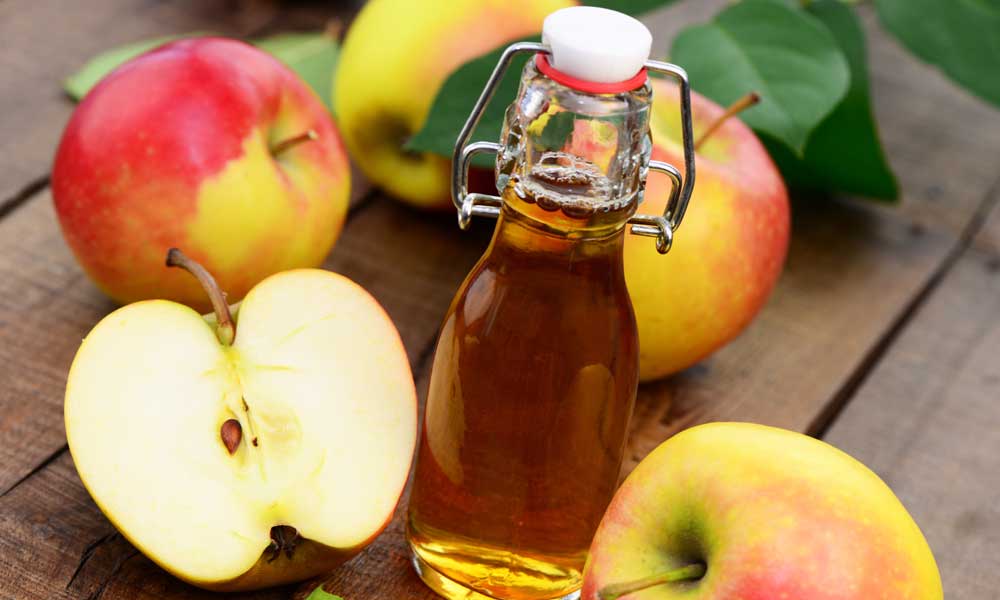
Raw, unfiltered apple cider vinegar keeps the mother; filtered vinegar is strained clear and usually pasteurized. The mother is the cloudy web of bacteria and cellulose that forms during fermentation. It settles as strands or sediment, which is normal, and it is the reason raw bottles say “shake well.” Filtered bottles look like clear amber juice and taste milder.
| Style | What you see | Best for | Watch for |
|---|---|---|---|
| Raw, with the mother | Cloudy, floating strands | Diluted drinks, salad dressings | Shake first; usually pricier per ounce |
| Filtered, pasteurized | Clear amber | Pickling, cooking, cleaning | Mostly plastic jugs; no mother |
| Chews and capsules | Chewables or pills | People who will not drink it | A supplement; check the sugar line |
Our standing advice to readers is short: buy the cloudy glass bottle for anything you will drink or taste uncooked, and the clear jug for everything that gets cooked, canned, or scrubbed. Paying extra for the mother in a cleaning bucket buys you nothing.
Glass versus plastic. Glass matters if a bottle sits open on your counter for months. Gallon jugs are almost always plastic, which is fine for cleaning stock.
Bottle size. Divide the shelf price by the ounces before comparing a 16-ounce glass bottle with a 32-ounce or gallon jug. The larger size nearly always wins on unit price.
Read the Label: Acetic Acid, 5% Acidity, and Organic Claims
The acidity line is the most useful number on the bottle. Apple cider vinegar is made by a two-stage fermentation process: yeast turns the sugars in apple juice into alcohol, then bacteria convert that alcohol into acetic acid, the tangy bite you taste. Producers then dilute it to a set strength. Bragg, the best-known cider vinegar with the mother, prints “diluted to 5% acidity” on its label.
That 5% matters most for canning. The National Center for Home Food Preservation (NCHFP), the USDA-backed canning research center at the University of Georgia, says vinegar for pickling should be at least 5% acidity, and its guidance warns against homemade vinegar or vinegar of unknown acidity. Extension services have flagged store-brand vinegars sold at 4%, so read the number rather than assuming. If you use apple cider vinegar for pickling, expect a milder, fruitier flavor than white distilled. Vinegar can also darken light-colored produce, which is why tested recipes favor white vinegar for cauliflower or pears.
Cleaning-strength vinegars run well above 5% and are not food grade. That is the line between this bottle and Heinz cleaning vinegar.
Certified organic. The USDA Organic seal on organic apple cider vinegar means it was made from organically grown apples, raised without most synthetic pesticides. Store-brand organic foods at Walmart, Kroger, and Whole Foods carry the same seal, so organic alone is no reason to pay for a name brand.
Where Apple Cider Vinegar Sits in the Store
Look for apple cider vinegar in the condiment or baking aisle, beside the white distilled vinegar and near the cooking oils and salad dressings. The wellness or vitamin aisle is where the chews and capsules live, not the liquid, which is why shoppers who start in the health section often walk out empty-handed.
Walmart and Target
Walmart, the largest grocery seller in the country, carries its Great Value bottle beside the national labels. Look near the oils and white distilled bottles, not in pharmacy. Browse their selection at Walmart. Target shelves name brands plus its own label; small-format Target stores often carry the filtered version only.
Supermarkets and Natural Grocers
Kroger, Publix, and Safeway typically shelve two or three choices, often one filtered house brand and one raw national brand. Whole Foods, Sprouts, and Trader Joe’s carry a wider raw range, more of it in glass. Call ahead for a specific brand.
Warehouse Clubs and Aldi
Costco and Sam’s Club sell multi-packs and large jugs, the cheapest route per ounce if you clean or pickle in volume. Selection is one or two labels and it rotates, so treat it as a stock-up trip. Aldi keeps a house-brand bottle and stocks a raw version less reliably.
Pharmacies and Vitamin Stores
CVS and Walgreens usually carry one or two labels at a premium, sometimes in the food aisle and sometimes in wellness. The Vitamin Shoppe and GNC lean toward capsules and chews, which belong with other supplements rather than with pantry vinegar. A pharmacy is where you buy ACV tonight, not where you buy it cheaply.
Ordering Online Without the Broken-Seal Problem
Online, the packaging is the usual problem. Amazon reviewers of the leading raw organic labels report years of repeat orders and steady flavor. Complaints cluster around plastic jugs arriving dented and bottles arriving without an intact safety seal, which reads as a third-party seller and shipping problem rather than a brand problem.
Amazon
Selection runs from single 16-ounce bottles to gallon multi-packs, plus capsules and blends with honey or lemon juice. Check the current selection on Amazon. The seller line matters more than the price line, so confirm it says Amazon or the brand.
Walmart.com
Walmart’s site mirrors shelf stock and adds labels smaller stores skip. Check the current shipping threshold and return terms on the listing.
Direct From the Brand
Ordering from the brand’s own site removes the counterfeit and broken-seal risk. Brand sites carry the full line, including ready-to-drink blends that mix the base vinegar with apple juice, ginger, or honey.
iHerb and Thrive Market
Both specialize in organic foods and stock more raw labels than a supermarket does. Thrive Market runs on a paid membership, so the math works only if you buy other pantry staples there. If you also stock fermented items like kefir, consolidating the order is what makes it pay.
Name Brands, Store Brands, and Our Five Picks
The leading raw label is the benchmark: organic, raw, unpasteurized, and sold with the mother in it. Store brands such as Great Value, Kroger, and 365 by Whole Foods cover cooking and cleaning at a lower price per ounce. These five cover the realistic use cases; check current prices on each listing.
Best overall: Bragg Organic Raw Apple Cider Vinegar. Certified organic, unfiltered, mother intact, sold in glass and plastic sizes. The bottle most store brands imitate. Check price on Amazon
Best budget: Great Value Apple Cider Vinegar. Walmart’s house label, sold by the gallon. Filtered and not organic, which is irrelevant if it is headed for a pickle jar or a mop bucket. Compare pricing on Amazon
Best organic alternative: Vermont Village Organic Raw. Mellower than the market leader, USDA certified, and commonly stocked in glass at natural grocers. See it on Amazon
Best for daily drinkers: Bragg Apple Cider Vinegar with Honey. Pre-blended and easier to get down. The tradeoff is added sugar, so read the nutrition panel. Check price on Amazon
Best chewable: Goli Apple Cider Vinegar Gummies. The best-known chewable version. Convenient for travel, weak on acid content, and a supplement rather than vinegar. See it on Amazon
ACV Gummies Are a Supplement, Not Vinegar
ACV chews and capsules are sold as dietary supplements, and the FDA does not approve supplements for safety or effectiveness before they reach shelves. That puts the burden on the label. Read the Supplement Facts panel for two lines: added sugar and the amount of vinegar per serving.
When we checked grocery listings in October 2026, the original Goli chew showed 4 grams of added sugar per two-piece serving, while the brand’s zero-sugar version is sweetened with allulose and stevia instead. Neither replaces the liquid. In a small 2020 crossover trial published in the Journal of Nutrition and Metabolism, vinegar tablets swallowed whole did not reproduce the drop in glucose 60 minutes after the meal that liquid vinegar showed; only 12 healthy people in the study completed it, so treat it as a caution, not a verdict.
Health Claims, Tooth Enamel, and Medication Cautions
Most people who drink apple cider vinegar hope for gut health, weight management, or steadier blood sugar levels, and the evidence for each is thin. Treat the potential health benefits as unsettled. On whether it can help with weight loss, the Mayo Clinic’s published position is that support is limited. Small studies suggest vinegar could blunt a post-meal glucose rise, but they are short and small. Labels that pitch the benefits of apple cider vinegar as fat loss, detox, or lower cholesterol levels are selling ahead of the evidence, and nothing here is science-backed enough to replace medication or a healthy lifestyle.
Protect your teeth and throat. Undiluted vinegar can erode tooth enamel and burn the esophagus, a risk Cleveland Clinic flags directly. Its dietitian suggests about a tablespoon in a mug of water. Mayo notes some studies suggest up to 2 tablespoons a day is okay. If you have acid reflux, heartburn, or frequent indigestion, ask your doctor first.
Check your medications. Mayo and Cleveland Clinic both list insulin and diuretics among the drugs it can affect, and Cleveland Clinic adds laxatives and some blood pressure medicines. The concern is potassium, which can drop too low when vinegar and those drugs combine. If you manage type 2 diabetes or kidney disease, talk to a clinician before you drink too much of it daily.
Skip homemade for canning. A homemade batch has unknown acidity, and a weak acidic brine offers no reliable protection against pathogens such as salmonella or botulism. Buy a labeled 5% bottle for anything going into jars.
Decide first whether the bottle is for the kitchen, the cleaning caddy, or a glass of water each morning, because that answer settles raw versus filtered and glass versus plastic. Then compare unit price across Walmart, Amazon, and one natural grocer, and buy apple cider vinegar from a first-party seller so the seal arrives intact. If you are new to drinking apple cider vinegar, buy the smallest bottle and start with small amounts well diluted, the way you would treat beet juice or coconut oil.
Questions Shoppers Ask Before Buying
Is the cloudy stuff floating in the bottle safe?
Yes. Those strands are the mother, the bacteria and cellulose left from fermentation, and they are expected in raw bottles. Anyone buying it as a probiotic home remedy wants that cloudy version. Shake the bottle before pouring. Filtered bottles can also develop a little haze or sediment with age, which is cosmetic.
Does apple cider vinegar need to be refrigerated?
No. Its acidity keeps it shelf-stable, so a cool, dark cabinet is enough even after opening. Over a year or two the color may darken and more sediment may form, but that is a quality change rather than spoilage. Keep it away from the stove, since repeated heat flattens flavor.
Is a store brand as good as a name brand?
For cooking, pickling, and cleaning, yes, as long as the label says 5% acidity. Great Value, Kroger, and 365 by Whole Foods cost less per ounce. The gap shows only in raw bottles, where mother content and flavor vary between labels, so buy one small bottle before committing to a gallon.
Can apple cider vinegar lower blood sugar?
The evidence is limited and mixed. Some small studies report a diluted serving with a meal blunting the glucose rise afterward, but the trials involved few participants over short periods. It is not a treatment and not a substitute for prescribed medication, and people taking insulin should ask their doctor first.
Are ACV gummies as effective as the liquid?
They are not equivalent. A chewable serving carries far less acetic acid than a diluted spoonful of liquid, and many brands add sugar. Because they are supplements, the FDA does not review them for effectiveness before sale. Cooking acids such as citric acid are a different category.
The wheretobuyguides.com editorial team reviewed retailer listings and label details for this guide in October 2026, with reference to published guidance from the Mayo Clinic, Cleveland Clinic, and the National Center for Home Food Preservation. General wellness information only, not medical advice.