
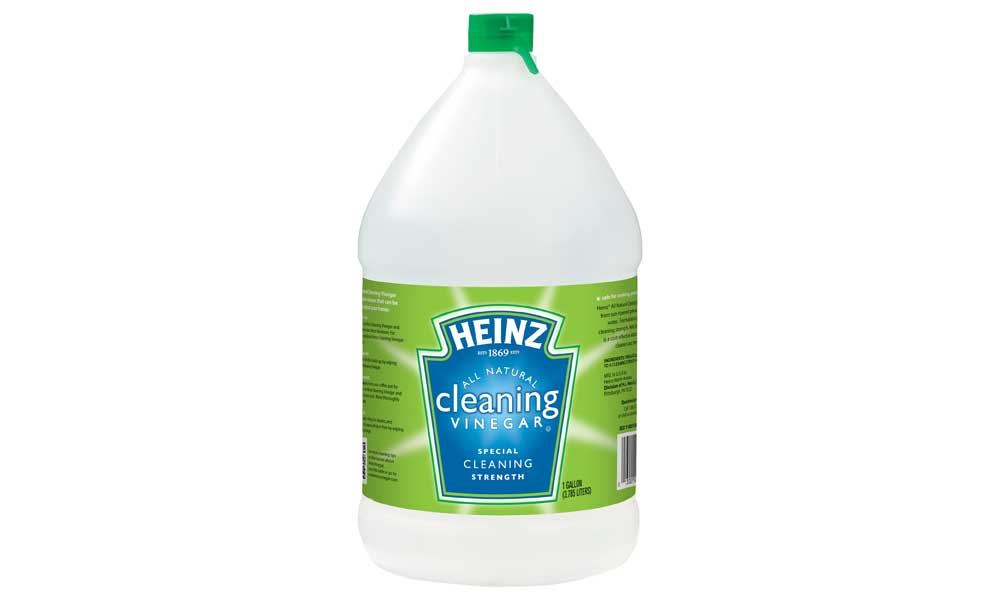
Heinz Cleaning Vinegar is easiest to find in two places: the cleaning or vinegar aisle of a Kroger-family or regional grocery store, and online through Amazon or a grocery delivery app. It is the 6% acidity jug, not the 5% food-grade bottle beside it, and the two get mixed up constantly. Small-format stores often skip the stronger version, so checking a retailer’s app before the trip saves a wasted drive.
This page contains affiliate links. We may earn a commission at no extra cost to you.
What Heinz Cleaning Vinegar Actually Is
It is a 6% acetic acid solution sold for household chores rather than cooking. Grocery listings use the long label name, Heinz All Natural Original Multi-Purpose Extra Strength Vinegar with 6% Acidity, which is why search results rarely agree on what to call it. The Kraft Heinz Company, the food maker that owns the Heinz brand, also sells Heinz Distilled White Vinegar at 5% for pickling and recipes, and that is the bottle most kitchens already have.
The stronger jug is not new. A June 2012 Philadelphia Inquirer column covered the launch, noting the jump from 5% to 6% acid is a 20% increase in strength, and a Heinz brand manager said Walmart was the first retailer carrying it. Distribution has since spread to grocery chains, though shelf space is still patchy.
Grocery product pages describe the liquid as collected through selective boiling and condensation from a fermented mixture of corn and clear water. The ingredient panel reads as vinegar diluted with water to 6% acidity. No dye, fragrance, or surfactant is listed. Retailers file it with cleaners because the label carries use directions aimed at the house, not the kitchen.
| Acidity | Sold as | Best use |
|---|---|---|
| 5% | Distilled white vinegar | Cooking, pickling, light wipe-downs |
| 6% | Cleaning grade, extra strength | Scale, soap scum, glass, pet odors |
| 20% to 30% | Horticultural | Weeds, outdoor surfaces |
| 45% and up | Concentrate, dilute first | Bulk mixing, heavy descaling |
Four groups get the most from the stronger jug: renters fighting hard water rings, pet owners treating urine on tile, gardeners spot-treating driveway weeds, and anyone who prefers a food-derived cleaner. It is not an oven degreaser, and it is not a sanitizer.
Which Size You Will Find, and Where
Two sizes circulate: a 64 fl oz jug and a 1 gallon (128 fl oz) jug. They carry different UPCs, so a store that stocks one often does not stock the other, and online listings mix them freely.
| Size | Where it is listed | Notes |
|---|---|---|
| 64 fl oz | Kroger, Fred Meyer, Mariano’s, Uber Eats, DoorDash | The Kroger-family format |
| 1 gallon | Cub, Publix delivery, ACME online | Better cost per fl oz |
| Both, plus cases | Amazon search results | Third-party sellers, compare unit cost |
Grocery chains
Kroger and its banners are a dependable in-store source, and Kroger’s page is one of the few spelling out the full label name. Midwest and East Coast grocers such as Cub and ACME list the larger jug. Check the cleaning aisle first, then the condiment and vinegar shelf, since stores split on where it belongs. Regional stock swings hard, so use the store app or call ahead if the trip is out of your way.
Walmart and Target
Walmart sells Heinz Distilled White Vinegar in the 5% grade, and it was the launch retailer for the cleaning version. Whether the stronger jug is on a given shelf varies by store, so search the Walmart listing for pickup before you go and read the acidity on the result, because search often surfaces the 5% bottle first. Target runs a thinner Heinz vinegar catalog, so confirm the exact item in the app before driving.
Amazon and delivery apps
Searches for cleaning vinegar on Amazon #ad return single jugs, multi-packs, and full cases, often from third-party sellers. Heavy liquid ships expensively, so the per-jug cost on a single unit can run well above a grocery shelf. Instacart, DoorDash, and Uber Eats pull from local grocery inventory and list the 64 fl oz jug through partner stores. Item prices on those apps frequently sit above the in-store tag before fees, so compare the line item, not the checkout total.
Four Checks at the Shelf
Both Heinz jugs share a label style and often a shelf, so a 30-second check prevents the most common mistake.
- Read the acidity number. The front panel must say 6%. A bottle labeled only “distilled white” is almost always the 5% food grade, which works slower on scale.
- Divide price by volume. Work out cost per fl oz so the two sizes line up honestly.
- Check the ingredient panel. Vinegar and water only means nothing to rinse off later and nothing paying for fragrance.
- Match size to use rate. The big jug refills a 16 oz spray bottle about 16 times at a 1:1 mix, which is months of routine wiping for most homes.
Skip the pre-mixed vinegar sprays two feet away if price matters. They are mostly water, and the jug plus a spray bottle you already own covers the same jobs.
Shelf Life and Storage
Acetic acid preserves itself, so an unopened jug keeps more or less indefinitely. Buying two on sale carries almost no spoilage risk.
Two things do change. A jug left loosely capped slowly loses bite as acid evaporates, so one that has sat open since last spring will not cut scale like a fresh one. The diluted spray bottle is the shorter-lived item, especially if you added essential oils, because the additives separate long before the acid gives out.
Cloudiness or stringy sediment is harmless for chores. That is usually the mother forming, the same culture that turns cider into apple cider vinegar. Replace a jug only if the seal broke in transit or somebody decanted it into a reused container. Mix small batches and date the bottle.
Where Not to Use It
Acid is the whole point of this product, and acid is also what causes the damage when it lands on the wrong surface.
Natural stone. Acid etches marble, travertine, limestone, and unsealed stone permanently. Keep it off those counters, the same way you would keep citric acid powders off them. For scrubbing power without acid, borax is the usual swap.
Greasy buildup. Grease responds to alkaline cleaners, not acids. An alkaline booster such as soda ash handles that job, but use the two separately, since mixing an acid and a base mostly neutralizes both.
Anything that needs disinfecting. Acetic acid is not an EPA-registered disinfectant, and no germ-kill claim belongs on this label. For disinfection, use an EPA-registered product and follow its stated contact time.
Next to bleach. Combining an acid with chlorine bleach releases chlorine gas. Never mix the two, and rinse the surface between products.
Picks and Substitutes
Picks are ranked on acidity, cost per fl oz, and how often each shows up in stock. Prices are not quoted here because they shift by store and by week; the listing in front of you is the number that counts.
Best overall: Heinz All Natural Cleaning Vinegar, 1 Gallon. The 128 fl oz jug at 6% acidity. Dilute it 1:1 for surfaces and use it straight on scale. View on Amazon #ad
Best value: Heinz Cleaning Vinegar, multi-jug pack. Two or more of the same jugs shipped together. Worth it only when the unit cost beats your local shelf and you will finish them within a year. View on Amazon #ad
Best food-safe pick: Heinz Distilled White Vinegar, 1 Gallon. The 5% grade, usually cheaper and fine for light wipe-downs, laundry, and pickling. Buy this if one jug has to cover the kitchen and the bathroom. View on Amazon #ad
Alternative brand: Lucy’s Family Owned distilled white vinegar. A gallon jug marketed for both cooking and household use. Listings describe it at 5% acidity, so treat it as a substitute for the food-grade bottle rather than the cleaning jug, and read the label before buying. View on Amazon #ad
Heavy-duty upgrade: Calyptus concentrated vinegar. Sold in concentrates from 45% up to 75% for weeds and outdoor descaling, each diluting into many times its volume of working solution. Overkill indoors, and it needs gloves and eye protection when poured neat. View on Amazon #ad
Start with your grocery store’s app: search the full label name, confirm 6% on the result, and reserve it for pickup. If no store nearby lists it, order Heinz Cleaning Vinegar online in the larger size rather than settling for a 5% bottle, and compare the cost per fl oz against a multi-pack. For related supplies, browse our other household products guides.
Cleaning Vinegar Questions, Answered
Is Heinz cleaning vinegar the same as white vinegar?
No. The household grade is 6% acetic acid and the food grade is 5%, so the jug you clean with holds 20% more acid per fl oz. Heinz markets the 5% bottle for canning and pickling, while the 6% jug carries household directions, which is why retailers often file it outside the food aisle.
Does Walmart sell Heinz vinegar?
Yes. Walmart sells Heinz Distilled White Vinegar, including the 5% food-grade jug, and it was the first retailer to carry the 6% cleaning version in 2012. Stock of the stronger jug varies by store, so check the acidity on the listing before you choose pickup.
What water ratio should I use in a spray bottle?
One part jug to one part water is the standard all-purpose mix. Go 1:3 for finished wood or delicate paint, and skip dilution entirely for mineral scale, including a coffee maker tank. Cold tap water is fine, and warmer mixes make the smell sharper. Distilled water only matters if the sprayer feeds a steam appliance.
Can you get it delivered the same day?
Often, yes. The 64 fl oz jug is listed on Instacart, DoorDash, and Uber Eats through partner grocers, and availability depends on which stores serve your address. Store pickup is usually cheaper, since delivery adds fees on top of item prices that may already be marked up.
Is it safe to use around pets?
Diluted and fully dried, it leaves no fragrance or dye behind, which is much of its appeal. Acetic acid is still an irritant straight from the jug, so ventilate the room, keep animals off treated floors until dry, and avoid spraying near birds. Ask your vet first if a pet has a respiratory condition.
Updated October 2026. Retailer listings and prices change often, so confirm acidity and size on the product page before buying.