
Training for a race, drinking it for heart health, or just trying to like beets? Each answer points to a different beet juice. Racers want a 70 ml shot with a printed dose, daily drinkers want a 32 oz bottle that is not from concentrate, and reluctant drinkers do better with a sweeter cold-pressed blend. Pick the format first, then the store, because no single shelf carries all three.
This page contains affiliate links. We may earn a commission at no extra cost to you.
Three Formats on the Shelf, and Which One Fits You
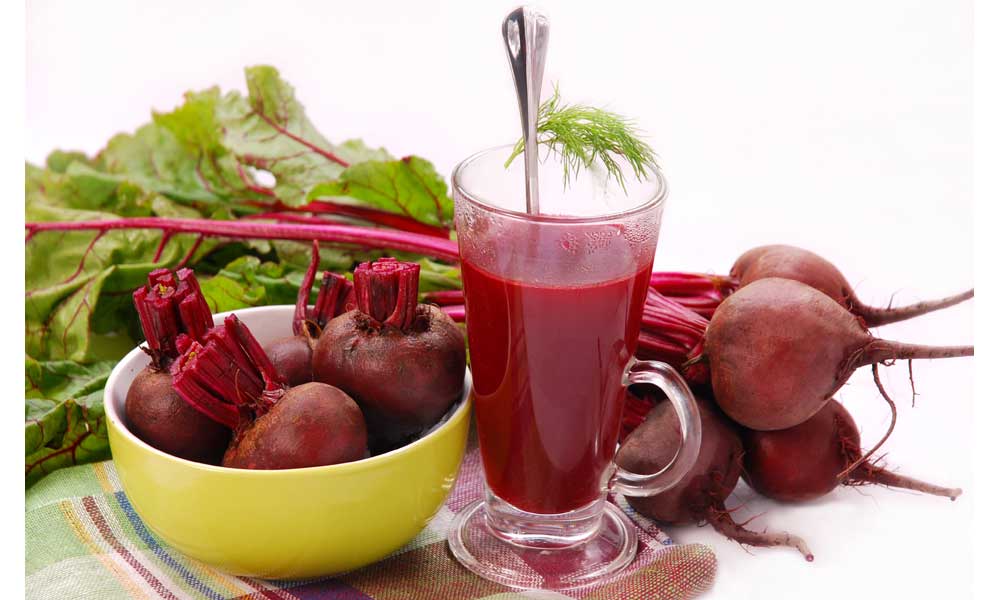
Beet juice is the deep red liquid pressed from the root of the red beet, sold ready to drink, as a concentrate, or as a small high-dose shot. Its nutrient list includes dietary nitrate, potassium, folate, magnesium, and vitamin C, plus betalain, the pigment behind the color and much of the antioxidant activity researchers study. What changes between products is processing, dose, and what else is in the bottle.
| Format | Typical example | How it is made | Best for |
|---|---|---|---|
| Not-from-concentrate bottle | Lakewood, R.W. Knudsen, Biotta | Pressed, pasteurized, shelf-stable until opened | Daily drinking, smoothies |
| From-concentrate bottle | Great Value Organic | Cooked down, then rebuilt with water | Lowest cost per serving |
| Performance shot | Beet It Sport Nitrate 400 | Concentrated juice, dose printed on the label | Endurance training and race day |
| Cold-pressed blend | Suja Organic Sweet Beets | Refrigerated, mixed with fruit juices | People who dislike the earthy taste |
If the goal is sports nutrition, only the shot gives a known dose. If the goal is more fruits and vegetables at breakfast, a plain bottle does the job for less money. If the earthy flavor is the problem, a blend gets the drink down, at the cost of more sugar.
What the Research Says About Drinking Beet Juice
The body converts dietary nitrate into nitric oxide, a molecule that relaxes blood vessel walls and helps support blood flow. That single pathway explains most of the health benefits people attribute to this drink, from blood circulation to exercise stamina.
Can it lower blood pressure? The strongest evidence says yes, modestly. A 2022 systematic review and meta-analysis in Frontiers in Nutrition pooled 7 randomized trials with 218 adults who had hypertension. Beetroot juice supplementation at 70 to 250 mL a day lowered systolic pressure by about 5 mmHg compared with control drinks, while the change in diastolic pressure was not statistically significant. A broader 2021 review of beetroot research hosted by the U.S. National Library of Medicine covers its antioxidant and chronic metabolomics activity, though much of that work comes from lab and animal studies.
Read those findings as modest and specific. A 5 mmHg drop in one number is not a treatment, and nothing in a bottle replaces prescribed medication. Anyone managing a health condition should ask a clinician before adding a daily glass.
Label Checks That Separate a Good Bottle From Filler
A good bottle lists one or two ingredients, shows 0 g of added sugar, and states a nitrate figure if it is sold for training. Four details on the label do most of the sorting.
Ingredient list length. A pure product names the vegetable, sometimes adds lemon juice, and stops. Lakewood and R.W. Knudsen both list only organic beet juice and organic lemon juice, and the lemon is what lets them skip a preservative. Artificial flavoring or a sweetener means filler sold at produce prices.
Concentrate or not from concentrate. Concentrated juice is cooked down, shipped, then reconstituted. Walmart’s Great Value Organic bottle is labeled from concentrate, which is part of why it sits at the low end of the category. Pressed juice keeps more of the fresh flavor, and the difference shows in the glass before it shows on the label.
Organic certification. A USDA certified organic seal means the farm and the processor both passed an audit under standards published by the United States Department of Agriculture. The seal covers how the organic beet roots were grown, not how potent the juice is.
Format and packaging. A 32 oz bottle costs less per ounce than a 12 oz single serve, and a pack of 12 usually drops the unit cost again. Cold-pressed refrigerated juice tastes brighter, but Suja tells buyers to finish an opened bottle within 5 days.
How to Read the Label in Under 30 Seconds
- Read the ingredient line. It should name the root, optionally with lemon or apple, and stop.
- Find the added sugar row on the nutrition facts panel. Above 0 g means a sweetener or fruit concentrate went in.
- Check the front panel for “not from concentrate” and, if you train on it, a milligram nitrate figure.
- Confirm the storage line and date code. A bulk buy loses value if the case expires before you finish it.
Retailer listings for the main labels show how much the numbers move between products. Listings for the same bottle sometimes disagree, so treat the panel on the bottle in your hand as the final word.
| Product | Size | What the listing shows |
|---|---|---|
| Lakewood Organic Pure | 32 fl oz glass | 100 calories, 17 to 20 g sugar, 190 mg sodium per 8 oz |
| Biotta Organic | 16.9 or 32 fl oz | 22 g sugar, 700 mg potassium per 8 oz; lacto-fermented |
| Suja Organic Sweet Beets | 12 fl oz | 33 g total sugar, 0 g added, 480 mg potassium per bottle |
| Beet It Sport Nitrate 400 | 70 ml shot | 400 mg nitrate; 98% beetroot concentrate, 2% lemon |
Two things stand out. Even pure juice contains roughly 17 to 22 g of sugar per cup, all from the root itself. And sodium runs higher than most people expect from a vegetable, which matters for anyone on a sodium-restricted diet. Other pressed drinks in the same cooler, including cactus juice, deserve the same panel check.
Where to Buy Beet Juice In Store
Walmart and most regional supermarkets keep at least one label. Check two spots in any store: the shelf-stable juice run in the beverage aisle, where the 32 oz bottles live, and the refrigerated cooler near produce, where cold-pressed blends sit.
Walmart
Walmart sells its house label, Great Value Organic 100% Beet Juice, in a 32 fl oz bottle that is USDA organic, pasteurized, and made from concentrate. Its site also lists R.W. Knudsen and Suja by the case. Shelf assortment varies by store, so check current availability and choose store pickup before driving out.
Target
Target’s juice assortment changes by store and season, and options are thinner than at Walmart or a natural grocer. If you shop there anyway, the refrigerated case is where a cold-pressed blend would turn up. See what your store has in stock first.
Supermarkets and Natural Grocers
Whole Foods Market lists Biotta’s 32 oz bottle and Suja’s blend. Kroger lists Biotta, Publix and ShopRite list Lakewood, and H-E-B, Giant, Hannaford, Stop & Shop, and Food Lion carry R.W. Knudsen. Biotta stands apart from the rest: it is a Swiss juice that is lacto-fermented, which gives it a slightly sour edge.
Independent health food stores, co-ops, and juice bars are the place for raw beet juice that skips pasteurization. Chains rarely stock it because its shelf life runs in days, the same short-date logic that governs the kefir case and fresh wheat grass shots.
Where to Buy Beet Juice Online
Online is the better route for performance shots and for case quantities of glass bottles that are heavy to carry home. Amazon carries the widest mix, and the shot brand sells direct.
Amazon
Amazon lists bottles, cases, shots, and blends from most of the brands named here, and you can filter by certified organic, non-GMO, vegan, or gluten-free needs. Read the format line closely, because one search returns powder, capsules, and dietary supplements alongside actual juice. Subscribe and Save applies a recurring discount on repeat orders; the rate shows at checkout. Shop the full selection on Amazon #ad
Beet It, Direct From the Brand
Beet It is made by James White Drinks in Suffolk, England, and imported by Beet It USA, which sells the Sport range online and lists where to find it in stores. The Sport shot carries the Informed Sport mark, meaning batches are tested by LGC’s anti-doping laboratory, the detail that matters to athletes in tested competition. Local running and cycling shops sometimes stock the shots too.
Specialty sites rotate European labels in and out, often beside cranberry juice and apple cider vinegar shots, and case pricing usually beats the single-bottle rate.
Five Picks Matched to How You Will Drink It
These five were chosen on ingredient purity, processing method, and how easy each is to find. Prices change weekly, so check the retailer before buying.
Best overall: Lakewood Organic Pure Beet Juice. Organic beet and lemon only, not from concentrate, no preservatives, in a 32 oz glass bottle. It is pasteurized rather than cold-pressed, which is why it keeps on a pantry shelf, and its earthy taste stays clean in a morning smoothie. A good source of potassium. Check price on Amazon
Best for athletes: Beet It Sport Nitrate 400 Shot. Each 70 ml shot (about 2.4 fl oz) delivers 400 mg of nitrate, and the brand suggests one or two shots taken one to three hours before training. Con: the flavor is intense. Check price on Amazon
Best budget: Great Value Organic 100% Beet Juice. Walmart’s house label is USDA organic and the cheapest of the five per ounce. The trade-off is that it is reconstituted from concentrate. See it at Walmart
Best flavor blend: Suja Organic Sweet Beets. A cold-pressed mix of beet with apple, carrot, orange, banana, pineapple, and lemon juices plus turmeric, the easiest entry point if earthy flavors put you off. Con: 33 g of sugar per 12 oz bottle, all from the fruit. Check price on Amazon
Best for availability: R.W. Knudsen Organic Beet Juice. Two organic ingredients (the root and lemon), not from concentrate, Non-GMO Project Verified, and listed by a long run of supermarket chains, from H-E-B to Food Lion. Check price on Amazon
Mistakes and Safety Checks Before You Commit
The costliest mistake is buying a sweetened fruit blend and assuming it does the same job as pure juice. Three more traps catch buyers.
Mistaking powder or capsules for a drink. Search results mix all three formats on one page. Powder and organic beet root capsules are a separate category with different serving sizes and labeling; the guide to buying supplements covers that shelf.
Trusting front-panel claims. Structure and function statements regarding dietary supplements are not approved before they reach a label, and deep red color proves nothing about potency. The Food and Drug Administration explains those rules here. Treat “clinically proven” as marketing until you find the study.
Ignoring medication and kidney history. Because the drink can nudge systolic pressure down, it may add to the effect of medication for lowering blood pressure. Beets are also high in oxalate, which matters for anyone with a history of kidney stones. Ask the prescriber, not a product page.
Start with one 32 oz not-from-concentrate bottle of beet juice from the supermarket aisle before committing to a case, since flavor is what makes most people quit. If you like it and drink it daily, move to a case or subscription for the lower unit cost. If you are training on it, skip the bottles and order shots with a published dose.
Frequently Asked Questions
Is beetroot juice the same thing US labels sell?
Yes. Beetroot is the standard term in the UK and in research papers, and American labels drop the root. Both describe the same pressed root, and neither word signals anything about processing or quality. Sugar beet is a different crop grown for refining and is not what these bottles contain.
How long before a workout should you take a performance shot?
Beet It suggests one or two shots taken one to three hours before training. That window gives the body time to convert nitrate into nitric oxide. Try the timing in training first, since the concentrated juice can unsettle some stomachs on race morning.
Why did my urine turn red afterward?
That is beeturia, a harmless pink or red tint in urine or stool caused by betalain pigments passing through. StatPearls, the NIH-hosted clinical reference, puts it at roughly 10 to 14 percent of people, with higher rates in people with iron deficiency. Red that persists, or shows up with nothing red in your diet, is worth a call to a clinician.
Does it have to stay in the refrigerator?
Once opened, yes. Unopened pasteurized bottles such as Lakewood and R.W. Knudsen keep in a pantry until the date code, while cold-pressed blends like Suja must stay cold from the store onward and should be finished within 5 days of opening. Shake pressed juice before pouring, because it settles.
Is powder as good as the bottled version?
Powder costs less per serving and stores longer, but nitrate content varies between brands and few list it. Bottles win on taste, and shots win on dose consistency. Athletes who need a known number stay with liquid shots.
About This Guide
Reviewed by the wheretobuyguides.com editorial team and last updated October 2026. Product details come from brand and retailer listings; research references come from the U.S. National Library of Medicine, and labeling guidance from the U.S. Food and Drug Administration. This is not medical advice, and no clinician has reviewed this page.