
Where to Buy Nike, Depending on What You Want
Buy Nike direct from Nike.com or the Nike App for the current model, the full size run, and a 60-day return window. Go to a sporting goods chain or Kohl’s to try a pair on today. Use the Factory Store or an off-price chain when price beats the newest colorway, and authenticated resale only when a model has sold out everywhere else.
Nike, Inc. is an American athletic footwear and apparel company that sells shoes, clothing, and equipment through its own stores and app, authorized wholesale partners, and a separate outlet channel. Phil Knight and his Oregon track coach Bill Bowerman started it in 1964 as Blue Ribbon Sports, distributing Onitsuka Tiger running shoes from Japan before designing anything of their own. The Swoosh arrived in 1971, Just Do It in 1988, and headquarters still sit in Beaverton, Oregon.
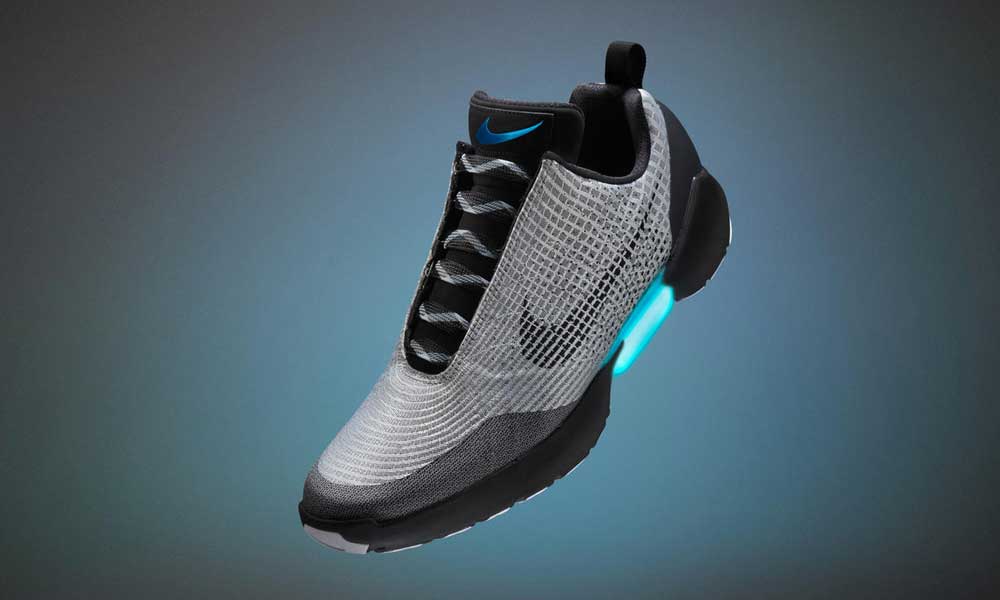
The real question is rarely what to buy. It is which channel, because the same sneaker can carry three different prices depending on where you find it.
This page contains affiliate links. We may earn a commission at no extra cost to you.
Who Owns the Brand, and Why Partner Stores Matter Again
The company is publicly traded, led by president and CEO Elliott Hill, and also owns the Jordan Brand and Converse. Fiscal 2026 revenue was 46.4 billion USD, flat on a reported basis, per the company’s fourth-quarter results release dated June 30, 2026.
The more useful number for shoppers: fourth-quarter wholesale revenue rose 4% to 6.6 billion USD, while NIKE Direct (the official site, app, and company-owned stores) fell 7%. More stock is flowing through retail partners, so when readers ask us where the selection is, we now point to Dick’s, Foot Locker, and JD Sports as a first stop, not a fallback.
Buying Direct: the Official Site, the App, and SNKRS
The direct channel carries the deepest catalog, including colorways that never reach wholesale partners. Membership is free and gets you member pricing, member sales, and early access. Check the official site first, because that price is your baseline. Limited releases run through the SNKRS app as a timed draw rather than a first-come sale, so entering is not winning, and timing is only confirmed in SNKRS itself. The same mechanic governs Air Jordan releases.
Three policy details are worth knowing before checkout:
- Returns: 60 days from delivery or in-store purchase, free for members, proof of purchase required.
- Verified discounts: 10% for eligible groups after verification (details in the FAQ below).
- By You customization: confirm your size in a stock pair first. Custom By You soccer jerseys are explicitly non-returnable, and custom shoes are a costly size mistake.
Other Online Sellers Worth Using
Beyond the brand’s own channel, three online options cover nearly every purchase, differing more on price and protection than on selection.
Amazon
There is an official brand storefront on Amazon alongside a large number of third-party listings. Read the “ships from” and “sold by” lines before ordering. They tell you whether you are buying from the storefront or an unrelated marketplace seller with its own return terms.
eBay and Authenticated Resale
For sold-out models, resale is the only channel left. eBay runs an Authenticity Guarantee that routes eligible sneakers through third-party inspection before delivery. StockX and GOAT run their own verification programs. Expect market price on anything sold out, and treat the gap as the cost of skipping the draw.
Nordstrom and Zappos
Both carry footwear and apparel. Zappos, which Amazon owns, now states a 60-day window for items in new condition with the original shoe box, so it no longer beats the official site on time.
Which Stores Carry Nike
Physical retail lets you try a pair on before you commit, which matters more here than for most apparel because fit shifts from one silhouette to the next.
Brand Stores and Factory Outlets
The company runs full-price stores and separate Factory Store outlets. The question we hear most is whether an outlet shoe is the same shoe. Often it is not: much outlet inventory is made-for-outlet product, built for that channel rather than mainline stock that failed to sell, and it can use different materials than the original of the same name. Neither is a scam, but they are not the same purchase. Check the style code on the box against the full-price listing when specs matter.
Worn-out pairs have a channel too. The Recycle & Donate take-back service donates usable footwear and apparel and recycles the rest, and scrap feeds Nike Grind, recycled rubber, foam, and fabric granules used in its circular, waste-reduction work. Ask your local store whether it takes drop-offs.
Kohl’s
A Kohl’s athletic department stocks footwear, shirts, and workout apparel, weighted toward everyday models rather than performance flagships. Kohl’s Cash and percentage-off coupons run on their own calendar, so timing a purchase to a promotional window is the practical play.
Marshalls and TJ Maxx
Marshalls and sister chain TJ Maxx sell off-price athletic footwear and clothing. Inventory is shipment-driven, so what you saw last visit may be gone. Consignment shops are worth a browse, though a compressed midsole is no bargain.
Sporting Goods and Sneaker Chains
Dick’s Sporting Goods, Foot Locker, JD Sports, and Famous Footwear are long-running wholesale partners stocking current-season footwear. Dick’s leans toward performance and team sport, including team jerseys. Foot Locker and JD Sports lean toward lifestyle sneakers. Shopping running shoes? Trying two sizes in person is worth the trip.
Return Windows Compared
Return terms often decide between two sellers listing the same shoe at the same price. The table reflects each seller’s own policy page where one was available in October 2026. Policies change without notice, so confirm before you buy.
| Seller | Stated window | Condition | Practical note |
|---|---|---|---|
| Official site and app | 60 days | Proof of purchase required | Free returns for members |
| Amazon | Varies by seller | Set by the seller | Marketplace sellers set their own terms |
| Kohl’s | Check current policy | See policy page | In-store returns are the fastest route |
| Zappos | 60 days | New condition, original box | Final sale items excluded |
One gotcha: final-markdown outlet tags often carry shorter windows than the same retailer’s standard policy. Between sizes? Order from the seller with the friendliest terms first.
Matching the Shoe to the Activity
Match the shoe to the activity first, check sizing second, pick a channel third.
Cushioning technology. Midsole foam is the biggest functional difference between models. Air Max units give visible, springy cushioning suited to casual wear. React and ReactX foams sit in daily trainers. ZoomX is the light racing foam athletes wear on race day, a poor match for standing all day.
Sizing by silhouette, not by habit. Fit is not consistent across the lineup. A basketball design, a knit runner, and a leather court shoe like the Air Force 1 each fit differently at the same labeled size. Measure your foot in centimeters, then check that model’s chart. If you wear aftermarket inserts such as a Superfeet insole, bring them to the try-on, since they change how the same size fits.
Upper material. Flyknit and engineered mesh are light and breathable. Leather builds hold their structure longer. Pick for the conditions you will actually wear them in.
Intended use. A cross-trainer is built for lateral gym movement and training sessions. A running model is built for forward motion. Signature basketball lines like the LeBron series are built for the game, not for miles. Swapping one for another costs comfort and shoe life.
Four steps settle the channel question:
- Decide whether you want current mainline product or simply a good deal. That answer eliminates half the channels.
- Check the retail price on the official site so you have a real reference number.
- Check whether the model is a general release or a limited drop. Limited drops trade above retail, and shopping around will not fix that.
- Pick the seller whose return terms you can live with, since fit is the most common reason these go back.
Five Nike Picks by Use
These five are widely stocked, with enough production history that sizing feedback is easy to find. Prices move with member sales, so check the live listing.
Best overall: Nike Air Max 270. Lifestyle sneaker with a large heel Air unit, comfortable for all-day wear and light gym use. Check price on Amazon
Best for running: Pegasus 41 or 42. A daily trainer since the 1980s and a safe default. The 42 launched in April 2026, making the 41 the prior version, the usual markdown target once a successor ships. Check price on Amazon
Best budget: Revolution 7. Entry-level running model that works fine for gym sessions and casual wear. Check price on Amazon
Best lifestyle sneaker: Air Jordan 1 Mid. Leather court silhouette from the Jordan line, widely stocked and released in a long list of colorways. Check price on Amazon
Best for golf: Air Max 90 G. The Air Max 90 shape adapted for the course with a spikeless outsole. Check price on Amazon
Mistakes That Cost Buyers Money
The most expensive mistake is assuming retail price and market price are the same number. On sold-out and limited models they are not, and no amount of shopping around closes that gap.
- Trusting a deep discount from an unfamiliar seller. This is one of the most counterfeited brands in the world, and the pattern is consistent: a price far below the range for that model, from a site you have never heard of, usually found through a social ad on Instagram. Rather than squinting at a product photo or a seller’s video, buy where an authentication policy exists in writing.
- Assuming outlet means marked-down mainline. Some outlet stock is built for the outlet. Check the style code when specs matter.
- Carrying one size across every silhouette. Fit varies by shape and upper material. Measure, then check that model’s chart.
- Buying a drop expecting to resell at a profit. Some releases hold value and plenty do not. Treat resale upside as a bonus, never the reason to buy.
Start by pulling the current price on the official site as your baseline, then decide between mainline gear and an outlet deal. Unsure of size? Try it on at a partner store first. If the model is sold out, buy Nike through a platform with a published authentication program and accept market price over an unverifiable discount.
Frequently Asked Questions
Is Nike an American company?
Yes. The company is headquartered in Beaverton, Oregon, and was founded in 1964 by Phil Knight and Bill Bowerman as Blue Ribbon Sports. Manufacturing is contracted out internationally, with Vietnam, China, and Indonesia among the largest producing countries in its supply chain. It also owns Converse, covered in our Converse buying guide.
Where does the name come from, and how is it said?
The name comes from Nike, the Greek goddess of victory, suggested by an early employee when Blue Ribbon Sports rebranded in 1971. It is two syllables, said like “NY-kee”, not one syllable rhyming with “bike”. The Swoosh was designed separately by a Portland State graphic design student the same year.
What is the difference between outlet product and mainline product?
Mainline product is the assortment sold at full-price retail and through wholesale partners. Outlet assortments mix genuine past-season stock with made-for-outlet goods built for the discount channel, which can share a model name while using different materials. The style code on the box tells them apart, since you can search that code against the full-price listing.
Is there a military or student discount?
Yes. The official help center lists a 10% discount for students, teachers, first responders and medical professionals, and military members, each verified through a separate link on the site. Exclusions can change, so read the current offer terms before checkout, especially on launch products.
The Nike and Zappos return terms and the discount terms on this page were rechecked against those companies’ own policy pages in October 2026. Shopping adjacent categories? Our Lululemon guide and general shoe guide cover the rest of the athletic wardrobe.