
Buying jordans starts with one decision: do you want a general release you can order today, or a limited pair you will have to chase? A general release sits at retail at Nike, Foot Locker, Finish Line, and Dick’s. A limited pair is allocated by draw, and once it sells out, authenticated resale on StockX, GOAT, or eBay is the only real market. The right store, the return terms, and the fake risk all follow from that choice.
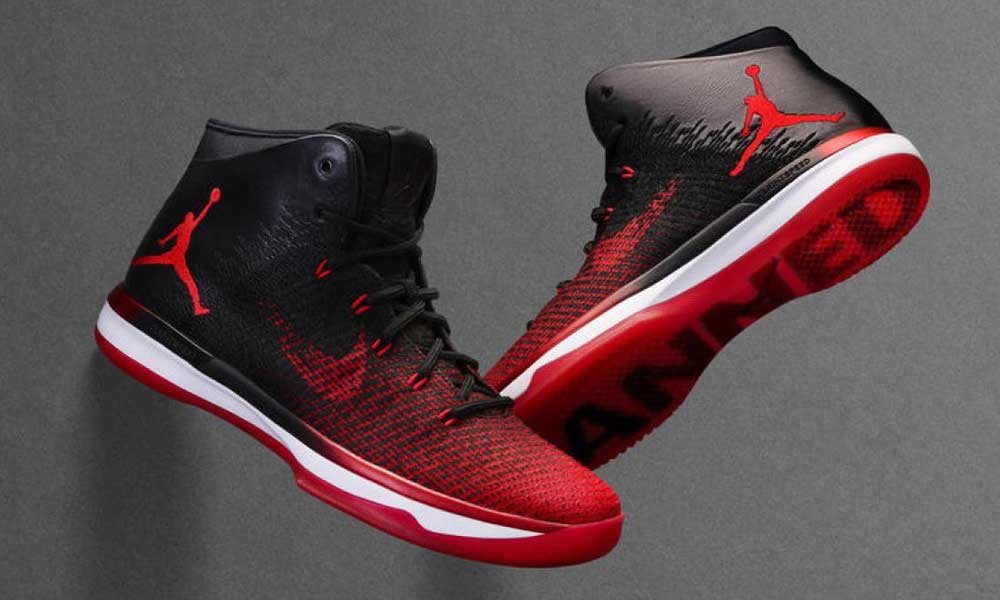
Jordans are basketball sneakers sold under the Air Jordan line, built for Michael Jordan during his early seasons with the Chicago Bulls. The first Air Jordan shipped in 1985. Wearers, collectors, and resellers all shop this line, and advice written for the last two usually costs wearers money. This guide covers the United States retail network.
This page contains affiliate links. We may earn a commission at no extra cost to you.
Who Owns the Brand and the Stores That Sell It
Jordan Brand is a division of Nike, Inc., the athletic company based in Beaverton, Oregon. It became its own unit inside Nike in 1997, and the Jumpman logo, a silhouette of the player mid-dunk, marks nearly every pair. So “Jordan or Nike” is not a real choice: every new pair comes from the same company.
The retailers have consolidated too, which matters when you enter launches or return a pair:
- Foot Locker and Champs Sports have belonged to Dick’s Sporting Goods since that company closed its acquisition of Foot Locker in September 2025. The banners still run as separate stores and apps.
- Finish Line is part of JD Sports, so Finish Line and JD Sports stores share a parent and, per published return guides, accept each other’s returns in the US.
- Flight Club, a consignment shop founded in 2005, merged with GOAT in 2018 and now operates as GOAT Group’s physical retail arm.
Pick the Model Before the Store
Fit changes by silhouette, not by brand, so choose the model and size first. A retro is a later reissue of an original design; almost every new pair on sale is one. Original 1980s and 1990s stock exists only through collectors, and its polyurethane midsoles break down with age.
| Model | Fit guidance from retailer size guides | Colorways buyers search for |
|---|---|---|
| Jordan 1 Retro High OG | Generally true to size; narrow feet can go half down | Chicago, Banned |
| Jordan 3 Retro | Close to true to size | White Cement, Black Cement |
| Jordan 4 Retro | Sources disagree; shape changed after 2023 | Black Cat, Fire Red |
| Jordan 6 Retro | Roomier; narrow feet can go half down | Infrared |
| Jordan 11 Retro | True to size with a generous body | Legend Blue (once called Columbia) |
| Jordan 12 Retro | Snug; wide feet can go half up | Taxi |
Two sizing details trip people up. Women’s labels such as WMNS Jordan 3 run about 1.5 sizes above the men’s number, so a men’s 7 is roughly a women’s 8.5. Grade school (GS) sizing tops out around a men’s 7 and carries the same design as the adult pair, so a smaller adult foot can shop that range. Measure in centimeters, and if you need more arch support than the stock insole gives, an aftermarket insert such as Superfeet insoles fits most of these shoes.
How Limited Releases Are Sold
Hyped models, including collaborations like the Travis Scott x Jordan pairs, are allocated through draws in the Nike SNKRS app and raffles at authorized retailers. You enter for the right to buy rather than clicking add to cart, and entries far outnumber pairs. This sequence gives the best odds.
- Set up before the drop. Save an address, a payment method, and confirm your size is listed. Entry windows are short.
- Enter the draw, do not refresh a cart. Winners are pulled from entries, so refreshing achieves nothing.
- Enter retailer launches in parallel. Foot Locker and Finish Line run separate systems with their own allocations.
- If you lose, set a ceiling first. Decide what you will pay above retail before opening a resale app.
Where to Buy Jordans Online
Online carries the selection, and the choice narrows to one question: does the seller authenticate, or do you have to?
Nike.com and the SNKRS App
Nike.com sells at retail with no counterfeit risk. General releases are available directly, hyped models route through the draw system above, and restocks land without warning. Browse the official Nike.com collection to confirm what was actually produced in a colorway before you trust a resale listing.
Amazon
Amazon lists authorized stock alongside marketplace sellers, and Stadium Goods runs a storefront there. Prefer items shipped and sold by Amazon or a named authorized seller, since third-party sellers set their own terms.
StockX, GOAT, and Flight Club
These authenticated resale platforms are the realistic route to a sold-out pair, because each inspects shoes before they reach the buyer. Flight Club also keeps physical stores and carries older stock. Expect prices above retail and condition grading: deadstock means unworn with the original box.
eBay, Etsy, and Walmart
eBay’s Authenticity Guarantee covers eligible sneaker listings marked with its checkmark: the pair ships to an authentication center first, and a pair that fails inspection is refunded. That program, not the seller’s word, is the reason to buy there. Etsy is mostly custom-painted and vintage work from independent sellers. Walmart listings come largely through its third-party marketplace, so check the seller rating and return terms on each listing.
For broader shoe buying options, these platforms also handle Nike-owned Converse, the Nike Air Force line, and Adidas.
Buying in a Store
A store solves the one problem online cannot: trying the shoe on before paying. With fit shifting from the Jordan 1 to the Jordan 12, that is worth the drive for a first pair.
Foot Locker, Champs Sports, and Dick’s
Foot Locker, the national athletic footwear chain, stocks general releases year round and joins most major launches through its own entry system. Champs Sports often carries overlapping inventory, and Dick’s Sporting Goods, now their parent, sells the line in its own stores too.
Finish Line and JD Sports
Finish Line carries current-season stock and runs launch entries separately from Foot Locker, a second independent chance at the same release. Some Finish Line shops sit inside Macy’s, and purchases made there go back to Macy’s, not to a Finish Line or JD Sports store.
Nike Factory and Jordan Stores
Nike Factory Store outlets carry past-season models at reduced prices, and selection depends on what that location received. Full-price Nike and Jordan Brand stores handle launches through the app rather than a line at the door. Note that Nike’s own policy excludes clearance-store purchases from its standard returns.
Hibbett and Shoe Palace also carry the brand and run their own launch entries. Many of these stores stock other Nike products and team jerseys nearby.
Return Windows We Checked in October 2026
When we checked the sellers’ return pages in October 2026, the split was clear: retail gives you time to test fit, and resale mostly gives you store credit at best.
| Seller | Return terms | Practical note |
|---|---|---|
| Nike online and in stores | 60 days, free for Nike Members | Clearance-store buys excluded |
| Amazon | 30 days on most items | Marketplace sellers can differ |
| Foot Locker, Finish Line | Varies; published figures conflict | Confirm on your receipt |
| StockX | 14 days, StockX Credit only | Only items labeled “14 Day Return” |
| GOAT | Eligible items, GOAT Credit | Shipping and fees deducted |
| eBay | Set by the individual seller | Failed authentication is refunded |
Of the six sellers in that table, only Nike and Amazon offer a plain refund window on most purchases. The resale apps guarantee the shoe is real, not that it suits your foot. Never worn a silhouette? Buy the first pair where you can return it, learn your size, then use resale for the colorway you want.
Fake Pair Warning Signs
Counterfeits are the defining risk on this line, and the copies keep improving. These are the checks that catch most of them.
- A price far below the going range. Sold-out models trade above retail, so a listing under both the retail figure and the current resale range is not a bargain, it is an explanation.
- Box labels that do not line up. The style code on the box label should match the tag sewn inside the shoe, along with the size and colorway. Photograph both and compare.
- Shape before logos. Counterfeiters copy branding well, but toebox curve, heel angle, and panel spacing are harder to match. Compare against official Nike photos.
- Sellers with no verification process. Direct-message sales put the whole authenticity judgment on you. Collaboration pairs carry the highest premiums and the highest fake volume.
Five Pairs Worth Starting With
These picks favor availability and wearability over resale value. Retail prices shift by colorway and release, so check the current figure on the listing before ordering.
Best overall: Air Jordan 1 Retro High OG. The original silhouette, and the one most often reissued in a colorway you will like. Leather upper, simple build. Check price on Amazon
Easiest first pair: Jordan 1 Mid. The same basic outline as the High with a lower collar, and widely stocked in general release, so it is the simplest to find in your size. Check price on Amazon
Best for daily wear: Air Jordan 4 Retro. Better cushioned in the heel than the Jordan 1, a comfortable choice for people who actually walk in their shoes. Try a pair on first, since fit advice for the Jordan 4 is split. Check price on Amazon
Best classic design: Air Jordan 3 Retro. The elephant-print overlays and the White Cement colorway made this one a staple. Mid-cut, so easier to wear than a High. Check price on Amazon
Best dressier option: Air Jordan 11 Retro. Patent leather mudguard and a translucent outsole give a sleeker profile than the rest of the line. That sole yellows with age and light, so store it away from heat. Check price on Amazon
Start by checking whether the model you want is a general release on Nike.com this week. If it is, buy it there or at Foot Locker or Finish Line at retail, where you can return it. If it is sold out, set a ceiling above retail and buy jordans only through StockX, GOAT, or an eBay listing covered by the Authenticity Guarantee.
Frequently Asked Questions
Are Jordans made by Nike?
Yes. Jordan Brand is a division of Nike, Inc., not a separate manufacturer. The first Air Jordan shipped in 1985, and the line became its own unit inside Nike in 1997.
Do Jordans run true to size?
Most models fit close to true to size, but it varies by silhouette. Retailer size guides call the 1 and the 11 generally true to size, the 6 roomier, and the 12 snug, while advice on the 4 is split. Measure in centimeters and read the chart for the exact model.
What is the difference between a retro and an original?
An original comes from the model’s first production run; a retro is a later reissue. Polyurethane midsoles from the 1980s and 1990s break down chemically over decades, which is why an unworn vintage pair can crumble on its first real wear.
Why can’t I buy hyped models at retail price?
Limited releases are allocated through draws instead of stocked normally, and entries vastly outnumber the pairs made. General releases behave the opposite way: they stay on shelves for months, restock, and eventually reach clearance racks at outlets.
What is the cheapest way to get a real pair?
Buy a general release late in its cycle. Nike Factory Store outlets and clearance sections at Foot Locker, Finish Line, and Hibbett discount past-season colorways, and grade school sizing is priced below the adult version of the identical shoe.
Do Jordans come in wide widths?
Most retro models are made in a single standard width. Wide-footed buyers usually go up a half size on snug models like the 12, or choose a roomier silhouette such as the 6 or the 11.
Reviewed by the wheretobuyguides.com editorial team. Retailer ownership and return terms checked October 2026.