
Put two 70 percent bars side by side: one from a pharmacy checkout lane, one from a bean-to-bar maker. Same number on the front, and they can differ in sugar source, fat, origin, and how much lead and cadmium came along with the beans. That gap is why buying dark chocolate well takes more than reading a percentage. Below are the percentage bands sorted by taste, what independent heavy metal testing found, which online and in-store sellers carry real range, and five bars worth buying.
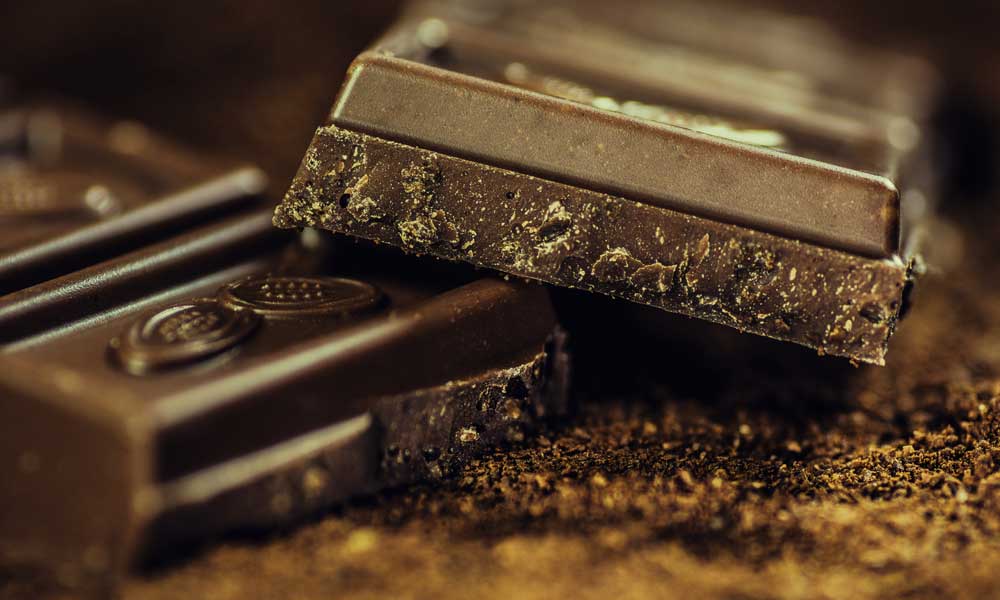
This page contains affiliate links. We may earn a commission at no extra cost to you.
What Makes a Bar “Dark,” and What the Wrapper Leaves Out
Dark chocolate is a confection made from cocoa solids, cocoa butter, and sugar, with little or no added milk. US labeling law never defines the word “dark.” The FDA, the federal agency that sets food standards of identity, requires sweet chocolate to contain a minimum of 15 percent chocolate liquor and bittersweet or semisweet to reach 35 percent, and makers apply the darker label anywhere above those floors. Chocolate liquor is simply ground cocoa nibs; it holds no alcohol.
Four groups shop this shelf. Snackers want less sugar than candy bars deliver. Bakers need cocoa solids that behave in ganache. Gift buyers want a box from a named chocolatier. And a smaller crowd of connoisseurs reads origin and maker before anything else, the way wine buyers read a vineyard.
Four wrapper details matter more than the brand name:
- Fat source. Cocoa butter only. Palm oil or hydrogenated fat means compound coating, not real chocolate.
- Alkalized or natural. Cocoa treated with alkali, labeled Dutch process or Dutched, tastes rounder and reacts differently with baking soda, and processing with alkali lowers the cocoa flavanols, such as epicatechin, that researchers study.
- Single source or blend. Single-origin bars name one country or estate, Ecuador and Madagascar being common. Blends are engineered so a supermarket bar tastes identical in March and October. Neither is better.
- Ethical sourcing. Cocoa from Côte d’Ivoire and Ghana appears on the US Department of Labor’s list of goods produced with child labor. Fair Trade, Rainforest Alliance, and organic seals audit the supply chain, though none promise better flavor.
Cacao Percentage Bands: Which Bar Fits Your Palate
The cacao percentage is the percentage of cocoa solids and cocoa fat combined, so it caps the amounts of sugar a recipe can hold and says nothing about bean quality. Treat it as a sweetness dial, not a sign of good chocolate. Here is how the bands usually taste and where each one is easiest to find.
| Cacao band | How it tastes | Best use | Where it is easiest to find |
|---|---|---|---|
| 50 to 60% | Sweet, mild, close to milk chocolate | Snacking, cookies | Pharmacies, every supermarket |
| 60 to 70% | Balanced, light bitterness | Baking, ganache, first-time tasters | Baking aisle, Target, Walmart |
| 70 to 80% | Rich cocoa, fruit or roast notes show | Everyday tasting bar | Grocery candy aisle, Trader Joe’s, Aldi |
| 80 to 90% | Bitter, dry finish, little sweetness | Low-sugar snacking | Whole Foods, brand shops, online |
| 90% and up | Very bitter, chalky if poorly made | Extra dark chocolate fans, recipes needing high cocoa content | Brand sites, specialty importers |
Moving up a band changes more than sweetness. Higher cocoa recipes carry more theobromine, the bitter stimulant in cocoa, plus some caffeine, and past 85 percent the flavor rests on the beans alone, so a weak origin has nowhere to hide. When readers ask us where to start, our answer is a 70 percent chocolate from a maker you already trust, then two steps in either direction. The best dark chocolate for you is the band you will actually finish.
Lead and Cadmium: What Testing Found Before You Buy
Consumer Reports tested 28 dark chocolate products in a report published in December 2022 and detected lead and cadmium in all of them. For 23 of them, an ounce a day would put an adult over California’s maximum allowable dose levels for at least one of the two metals, which are 0.5 micrograms of lead and 4.1 micrograms of cadmium per day. Five exceeded the levels for lead and for cadmium both.
- Lower in both metals: one bar each from Mast, Taza, and Valrhona, and two Ghirardelli dark chocolate products.
- Higher in both: one bar each from Green & Black’s, Lily’s, and Trader Joe’s, and two from Theo.
- Percentage pattern: CR found cadmium tended to rise with the cocoa percentage and suggested a 55 percent chocolate over an 85 percent one for frequent eaters.
Why it varies by maker rather than price: a 2022 expert report funded by a 2018 Proposition 65 settlement between the advocacy group As You Sow and the confectionery industry found cadmium enters through the soil where the trees grow, while bean cleaning during processing reduces both metals. Origin and handling matter more than whether the wrapper says premium dark or budget. Our standing advice for anyone eating a few squares daily is to rotate between two or three makers instead of buying a case of one product.
Where to Buy Dark Chocolate Online
Online is where the real selection lives. Three channels cover nearly every case: one marketplace for range, specialty importers for origin hunting, and brand sites for seasonal runs.
Amazon
Amazon #ad carries the widest assortment in the US market, from single bars and dark chocolate minis to chocolate squares, variety boxes and bulk packs, and you can filter by brand, rating, and cocoa content. Subscribe and Save applies to eligible reorders. Buy from the brand’s own storefront where one exists, because heat-damaged stock tends to surface with third-party resellers.
Specialty Importers, Bean-to-Bar Makers, and Brand Sites
Worldwide Chocolate is an importer that lets you browse by country of origin, the fastest route to a specific Belgian dark chocolate or gourmet chocolate from Ecuador. Bean-to-bar makers such as Dandelion and Taza sell direct and print origin and batch details on the wrapper.
Ghirardelli and Alter Eco sell their own lineups, and ordering direct is often the only way to get seasonal flavors that skip grocery distribution. Godiva announced in January 2021 that it would close or sell its 128 North American shops, so its own site, grocery, and club partners are how you buy that brand now; our Godiva guide covers its truffles and gift box options. Our Lindt buying guide covers the Excellence range in more detail.
The return we least want to see is a melted box in July, so we steer warm-month orders to sellers that ship with insulated liners or cold packs. No return policy fixes a bloomed bar.
Store by Store: Grocery, Club, and Pharmacy Shelves
Supermarkets, Big Box, and Warehouse Clubs
Target and Walmart carry the broadest mainstream lineup, from store brands through Ghirardelli and imports like Ritter Sport. Kroger and Publix stock a similar set plus private labels. Aldi is the sleeper, since its Moser Roth bars undercut national brands. Costco sells multipacks. Check two aisles anywhere you shop: the candy aisle holds eating bars, while the baking aisle holds chips and baking bars, often cheaper per ounce at the same cocoa content.
Trader Joe’s, Whole Foods, World Market, and Brand Shops
Trader Joe’s is the value play, built around oversized Pound Plus slabs made in Belgium. Whole Foods, co-ops, and independent natural grocers are where certified brands like Tony’s Chocolonely and organic cacao bars actually sit on a shelf. World Market leans European and stocks Belgian and Swiss imports. The Excellence line, from 70 percent through the extra dark 90 percent option, is easiest to find at the maker’s own outlet-center shops, so check the store locator first.
Walgreens and CVS
Walgreens and CVS keep a small set, generally Dove and Hershey’s Special Dark, plus seasonal candy around holidays. Both are last-resort buys for a tasting chocolate, but fine for baking in a pinch.
Four Label Checks at the Shelf
The most common mistake is treating the front percentage as a quality score. It is a recipe ratio. These checks take under a minute:
- Read the first ingredient. Cocoa or chocolate liquor should come before sugar. Sugar first means the recipe sits closer to sweet chocolate than the bittersweet product the front implies.
- Check the fat. Cocoa butter only, no palm or vegetable oil.
- Check the allergen line. Many bars list milk or “may contain milk” from shared equipment, which matters for dairy-free and vegan buyers.
- Check the surface. Grey streaking means a temperature swing in transit or storage.
Sugar-free chocolate deserves its own caution. Those bars swap in maltitol, erythritol, or stevia, and sugar alcohols in quantity upset some stomachs, so buy one before buying a case. And skip the assumption that a famous name wins: big brands spend on marketing, and a small maker at the same shelf price often beats them in a blind tasting at home.
Five Dark Chocolate Bars Worth Buying
These picks were chosen on ingredient list, availability, and fit for a specific job rather than marketing. Prices move with cocoa markets, so check the link for the current figure.
Best overall: Lindt Excellence 70% Cocoa Bar. Short ingredient list, stocked in almost any grocery store, and a reliable rich dark chocolate baseline for judging everything else. Check price on Amazon
Best budget: Trader Joe’s Pound Plus 72% Bar. A 17.6-ounce slab scored into squares, which is why bakers buy two at a time. Trader Joe’s stores only. See similar on Amazon
Best for gifting: Godiva dark assortment box. Dark chocolate truffles, ganaches, and sea salt caramel pieces, individually wrapped in a presentation gift box, the safest format for chocolate gifts. Check price on Amazon
Best certified: Alter Eco Deep Dark Blackout 85%. USDA Organic and Fair Trade certified, made with beans from Ecuador and finished in Switzerland, intense without the chalk that percentage often brings. Check price on Amazon
Best for baking: Ghirardelli 60% Cacao Baking Chips. Built to hold shape in cookies and melt evenly for ganache, at a sweetness that suits most recipes. Check price on Amazon
Start by picking a band from the table, then buy two dark chocolate bars at that level from different origins and taste them side by side before committing to a case. If you eat it daily, rotate makers. If you order in warm months, pay for cold packs. For the wider category, including milk and white chocolate, see our guide to buying chocolate of all types, or the candy bars guide.
Questions Buyers Ask Before Checkout
Does dark chocolate contain dairy?
Not by definition, but many chocolate products do. Some recipes add milk fat or milk solids, and others run on lines shared with milk chocolate and carry a “may contain milk” warning. If you avoid dairy, read the ingredient list and the allergen statement, or look for a certified vegan label.
Is it actually good for you?
The research is more modest than the marketing suggests, and nothing here is a health claim. Studies on health effects, including cardiovascular health, mostly look at cocoa flavanols, often as extracts rather than candy, and alkalizing strips some of them out. Chocolate is still high in calories and sugar, so follow any guidance a doctor or dietitian has given you.
Are store-brand and warehouse-club bars worth buying?
Often yes, and Aldi’s Moser Roth line is the usual example. Read the ingredient list the same way you would for any other chocolate. The caution is warehouse multipacks: a 24-count box you finish over six months will bloom before the last bar.
How should I store it so it does not bloom?
Keep bars in a cool, dry cupboard between 60 and 70 degrees Fahrenheit, away from onions and coffee, since cocoa fat absorbs odors. Skip the refrigerator, because condensation causes sugar bloom. If your house runs hot, wrap the bar in foil, seal it in a zip-top bag, and let it return to room temperature before opening.
Retailer links, the FDA standards, the Consumer Reports findings, and the store closure details on this page were checked in October 2026.