
You can buy chickpea pasta at almost any large U.S. grocery chain, at Target and Walmart, at Trader Joe’s under its own label, and online through Amazon, Thrive Market, and the Banza website. The shelf is usually the gluten-free or natural foods set rather than the main pasta aisle. Before you grab a box, read two lines on the back: the ingredient list and the serving size, because brands that look alike on the front are not alike on the label.
This page contains affiliate links. We may earn a commission at no extra cost to you.
What Chickpea Pasta Is, and What the Label Should Say
Chickpea pasta is a dry noodle made from ground chickpeas (garbanzo bean flour) instead of wheat semolina. Some boxes contain nothing else. Others add a binder such as tapioca starch or pea protein, or blend in lentil flour. With no wheat in the recipe, it fits a gluten-free diet and a vegan one, and it carries more protein and fiber than regular pasta.
How much more depends on the brand and on how the numbers are printed. Trader Joe’s Chickpea Fusilli lists 11 grams of protein and 6 grams of fiber per 56-gram serving. Barilla prints 21 grams of protein and 15 of fiber, but per 3.5 ounces (100 grams), almost double the serving. Banza has restated its own fiber figure upward, citing a newer testing method rather than a recipe change, so an older box and a newer one can disagree. Compare at the same weight, or the comparison is meaningless.
| Label line | Chickpea box | Wheat pasta box |
|---|---|---|
| Main ingredient | Chickpea flour | Durum wheat semolina |
| Protein, 2 oz dry | About 11 to 12 g | About 7 g |
| Fiber, 2 oz dry | About 5 to 11 g, by brand | About 2 to 3 g |
| Typical box | 8 to 8.8 oz | 16 oz |
| Usual aisle | Gluten-free or natural foods | Pasta aisle |
Two more label checks matter. First, gluten. The FDA allows a gluten-free claim below 20 parts per million, while the Gluten-Free Certification Organization (GFCO), a third-party certifier, requires 10 ppm or less. With celiac disease, look for a certification seal, because a wheat-free recipe can still pick up traces on a shared line. Second, carbohydrates: a chickpea box is not low carb. Trader Joe’s lists 36 grams per serving, close to wheat. The American Diabetes Association, the U.S. diabetes advocacy and research group, frames meal planning around choosing quality carbohydrates, and the extra fiber is what puts this product in that conversation. How a particular box fits a diabetes plan is a question for your care team.
Which Brands Are on the Shelf, and Who Makes Them
Six names cover most of what U.S. stores stock. Knowing which is which explains the price and texture gaps between boxes that sit side by side.
| Brand | Who makes it | Recipe | Where it is easiest to find |
|---|---|---|---|
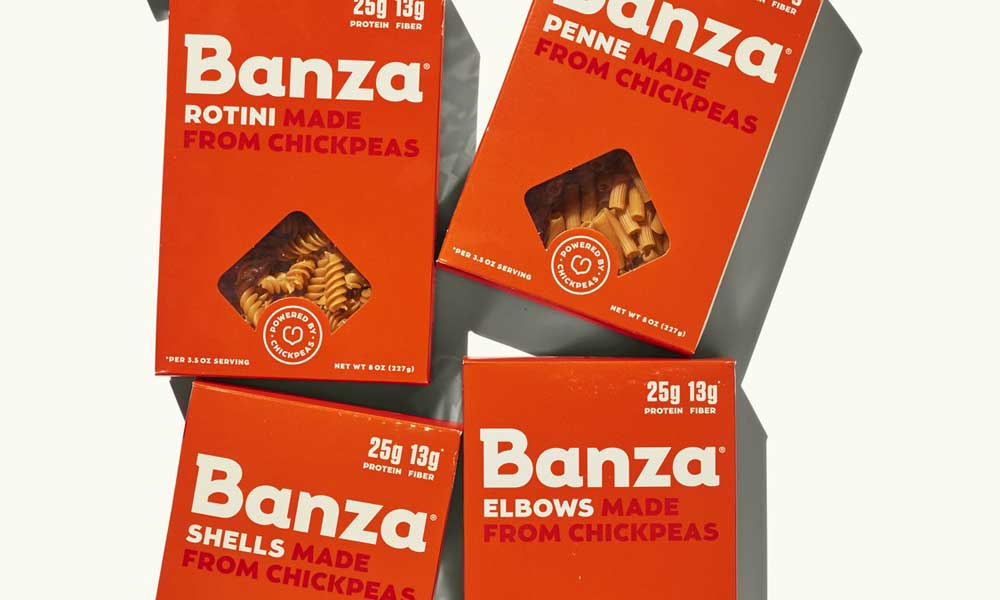
| Banza | Privately held, founded in 2014 by brothers Brian and Scott Rudolph | Chickpea based, widest range of shapes | Most grocery chains, Target, brand site |
| Barilla | Italian pasta maker | Chickpea flour only | Conventional supermarkets |
| Trader Joe’s | Store brand | Chickpea fusilli | Trader Joe’s only |
| Chickapea | Canadian brand | Chickpeas plus lentils | Natural grocers, Amazon |
| Tolerant | Specialty brand | Organic, single ingredient, no binders | Whole Foods Market, online |
| Explore Cuisine | Organic bean pasta brand | Organic chickpea lines | Natural grocers, Amazon |
Banza matters most because it sets the shelf. It raised a 20 million dollar growth round in 2019 led by Enlightened Hospitality Investments and Prelude Growth Partners, and its site lists more than a dozen shapes, from orzo and cavatappi to bucatini and its own cascatelli. Store brands rarely go past two or three.
Where to Buy Chickpea Pasta In Store
Check the natural foods set first, then the regular pasta aisle. Chains split the category between the two, sometimes store by store.
Supermarkets and Grocery Chains
Kroger, Publix, Safeway and Albertsons, H-E-B, Wegmans, Giant, and Acme carry Banza and usually one or two other brands; Giant and Acme list Banza in 8-ounce boxes online. Whole Foods Market and Sprouts Farmers Market run the widest organic shelf, and Tolerant launched as a Whole Foods exclusive. The roundup of the best things to buy at Whole Foods covers where its pricing competes. Trader Joe’s sells its own Chickpea Fusilli, which reviewers split on: some like the firm bite, others find it sandy.
Target
Target carries Banza and other bean brands, but stock varies by store. Check their selection online to confirm your location before driving over. Adding a box to a pickup order beats paying to ship one 8-ounce package.
Walmart
Browse their current stock here. Walmart shelves bean noodles in the regular aisle or the health food section depending on layout, so check both. Marketplace sellers on Walmart.com set their own shipping and returns.
Warehouse Clubs
Sam’s Club has sold large-format multipacks; search the club app for the current listing, since club SKUs change. Costco rotates its natural foods set by region, so treat any sighting as temporary. The guide to what to buy at Costco covers which pantry items are worth the bulk size. BJ’s members should look in health and wellness, not dry goods.
Health Food and Specialty Retailers
A retailer like GNC groups high-protein foods together, and co-ops sometimes sell legume noodles from bulk bins, a cheap way to test a shape. Vitacost is online only and stocks the organic brands.
Buying Online: Amazon, Marketplaces, and Brand Sites
Online makes sense for two jobs: testing a shape your store does not carry, and restocking by the case. Amazon has the deepest selection, eBay the odd closeout bundle, and brand sites the newest shapes.
Amazon
Filter to Grocery and Gourmet Food, then browse the full selection on Amazon #ad. Subscribe and Save discounts recurring orders, and the rate depends on how many subscriptions land in one delivery, so check it at checkout. Grocery items are generally non-returnable on Amazon, so buy a single box before a case.
eBay and Delivery Marketplaces
For bulk, check eBay listings, where sellers move six-packs and mixed-shape bundles, often closeout stock. Read the best-by date in the photos and work out the per-ounce cost with shipping included. Instacart pulls from the stores above for same-day delivery, and Thrive Market sells the organic labels to members.
Brand Websites
Order direct from Banza for shapes retail has not picked up yet, such as bucatini, linguine, or wheels. The site also runs a Where to Buy store locator, which is the fastest way to see which nearby chain stocks a given shape.
Can You Return Opened Food? Policies Before You Buy a Case
Only some stores will take back a box you opened and disliked, which is the real risk with a new texture. Standing policies for the retailers above:
| Retailer | Standard window | Opened food |
|---|---|---|
| Costco | Satisfaction guarantee | Accepted, the most forgiving |
| Sam’s Club | 100% Satisfaction Guarantee | Refund or replace on quality; prefers receipt and packaging |
| Target | 90 days, most items | Perishables generally excluded; ask at the desk |
| Walmart | 90 days, most items | Store discretion; marketplace sellers vary |
| Amazon | Grocery generally non-returnable | Damaged arrivals through support |
If you plan to stock up on an untested shape, do it at a warehouse club, not through a marketplace seller. One box first, then the case.
Four Mistakes That Ruin the First Box
- Buying a case of one shape untested. Texture varies more between shapes of one brand than between brands. Short cuts like penne, rotini, and shells hold up; spaghetti and other long pasta soften fastest.
- Trusting the front of the box. “Plant powered” means nothing legally. Turn it over: a blend that lists corn or rice flour first is a different food at a similar price.
- Cooking to the timer. These noodles go from al dente to mushy in about a minute. Follow the package instructions, but taste a minute early. The r/glutenfree thread asking whether it is “just me or is chickpea pasta horrible” keeps returning to the same fix: pull it early.
- Using a small pot. Bean flour throws a starchy foam as it boils, so use a large pot of salted water and skim if needed. That same starch makes the pasta water thicken a sauce fast, which is useful once you know it.
A Pantry Dish to Test Your First Box
Garlic, oil, and a little heat hide the nutty bean note better than a plain buttered bowl. This is a loose take on pasta e ceci, the Italian pasta and chickpeas soup, and it uses canned chickpeas you probably already own.
- Cook the pasta in salted water one minute short of the package time. Save a cup of pasta water, then drain the pasta.
- Warm olive oil in a large skillet over medium heat. Add the garlic, two sliced cloves, plus a pinch of red pepper flakes and a sprig of rosemary.
- Stir in a spoon of tomato paste and one drained can of chickpeas, then add half the saved water and bring to a simmer.
- Add the pasta, toss for a minute, and loosen with more water as the starch thickens the sauce.
- Finish with black pepper, parsley, and grated Parmesan or pecorino cheese.
It makes a quick weeknight meal, and it tells you whether the shape works before you buy more. If it turned soft, try a shorter cook or a sturdier shape like rigatoni next time.
Top Picks: Brands Worth Trying First
Picks are based on label quality, shelf availability, and shape range. Prices move by store and week, so check the current listing.
Best overall: Banza Chickpea Pasta. The most widely stocked brand, the most shapes, and the safest first buy; mild enough to carry a tomato sauce if you pull it early. Check price on Amazon
Best single ingredient: Tolerant Organic. Organic legume flour with no binders or fillers, giving a firmer bite that suits heavy sauces. Con: unforgiving if you walk away from the stove. See it on Amazon
Best for kids: Chickapea. A chickpea and lentil blend with a smoother texture that picky eaters tend to accept. Check current price
Best mainstream option: Barilla. A one-ingredient chickpea box from the familiar name, and the one most likely to sit in a supermarket carrying no specialty brands. See it on Amazon
Best organic alternative: Explore Cuisine. Organic chickpea lines that are easy to find online when your store’s set is thin. Check price on Amazon
The bean aisle keeps widening: black bean pasta runs darker in flavor, cauliflower pizza crust covers the other half of the menu, and Beyond Meat rounds out a meatless plate.
Start with one 8-ounce box of a short shape from whatever brand your store stocks, and cook it a minute under the package time. If the texture works, price out a multipack at a warehouse club or on Amazon. If it does not, try a different shape before writing off chickpea pasta, because shape changes the result more than brand does.
Frequently Asked Questions
Is chickpea pasta low carb?
No. Trader Joe’s Chickpea Fusilli, for example, lists 36 grams of carbohydrate per 56-gram serving, close to a wheat box. What changes is the protein and fiber that come with those carbs. It is not a keto food.
Why does my stomach hurt after eating bean pasta?
Chickpeas contain oligosaccharides, fermentable carbohydrates that gut bacteria break down into gas, and a serving can carry several times the fiber of wheat. Start with a half portion mixed into regular noodles and build up. Rinsing the cooked noodles does not remove the compounds.
Is a store brand as good as Banza?
Often, on the label. Compare the ingredient list and the protein line at the same serving weight, because that is where a private-label box either matches the name brand or quietly does not. Either one drops into most pasta recipes without changes. The bigger difference is shape range: Banza sells more than a dozen shapes, store brands usually two or three.
How long does an unopened box keep?
Go by the best-by date on the box. Bean flour keeps its natural oils, so old stock can taste flat or bitter before it is unsafe. Once opened, move what is left to an airtight container, since most boxes do not reseal.
Does it taste like regular pasta?
Not quite. Expect a mild nutty note and a denser bite. Blends and binders read closer to wheat, while single-ingredient boxes taste more like beans. A garlic-forward or tomato sauce covers the difference, so it shines in a sauced pasta dish more than a buttered one.
About This Guide
Reviewed by the wheretobuyguides.com editorial team. Brand ownership, label details, retailer availability, and return policies checked October 2026. Prices change too often to print; check the retailer listing before you buy.