
CamelBak gear is easiest to buy where the part you need actually sits: bottles at Target, Walmart, and almost any sporting goods store, full hydration packs at Dick’s, REI, Academy, and Scheels, and replacement bladders, bite valves, and tubes online through the official site, REI.com, or Amazon. Sort the purchase into bottle, pack, or spare part first, and the store choice mostly makes itself.
This page contains affiliate links. We may earn a commission at no extra cost to you.
Who Makes CamelBak Now, and Why REI Once Pulled It
CamelBak is an American hydration company that makes reusable water bottles, drinking reservoirs (the soft bladders that sit inside a pack), and the hydration packs and vests built around them. Michael Eidson, an EMT, founded it in 1989 after riding the Hotter ‘n Hell 100 bicycle race in Wichita Falls, Texas, with an IV bag of water stuffed in a tube sock pinned to his jersey. The hands-free bite valve design that followed was protected by patent. The “Hydrate or Die” slogan, written by copywriter Barbara Mizuno, is what finally sold the early packs.
Ownership has changed hands several times. Vista Outdoor bought the company in 2015, and its outdoor brands were later grouped under Revelyst. In January 2025, Strategic Value Partners completed its purchase of Revelyst, so the brand now sits in a privately held group alongside names like Giro and Bell. CamelBak had spent years headquartered in Petaluma, California, and announced in February 2024 that the Petaluma office would close.
That ownership history explains a question buyers still ask. In March 2018, REI paused new orders of Vista brands, including this one, because Vista also owned firearms makers. Once Vista sold its gun businesses, REI resumed orders in 2019. The co-op carries the line again today, including Crux and Fusion bladders, packs, and spare parts.
Four groups make up most buyers. Cyclists and mountain bikers drink without taking a hand off the bars. Hikers and trail runners want the weight on their shoulders. Military and tactical users buy the line with MOLLE webbing, which is why surplus fills United States resale listings. Parents buy the kid sizes, because a self-sealing valve survives a school year.
Match the Store to the Part You Need
Bottles have the widest distribution, packs narrow to sporting goods chains and REI, and bladders and spare parts narrow again to REI, bike shops, and online sellers.
| What you are buying | Most reliable in store | Most reliable online |
|---|---|---|
| Water bottle (Eddy+, Chute Mag, Podium) | Target, Walmart, Dick’s | Amazon, official site |
| Hydration pack or vest | Dick’s, REI, Academy, Scheels | REI.com, Backcountry, official site |
| Replacement bladder | REI, bike shops | Official site, REI.com, Public Lands |
| Bite valves, tubes, cleaning kit | REI, some bike shops | Official site, Amazon |
| Military and tactical packs | Surplus and tactical stores | Official site, specialist dealers |
Dick’s Sporting Goods and Public Lands
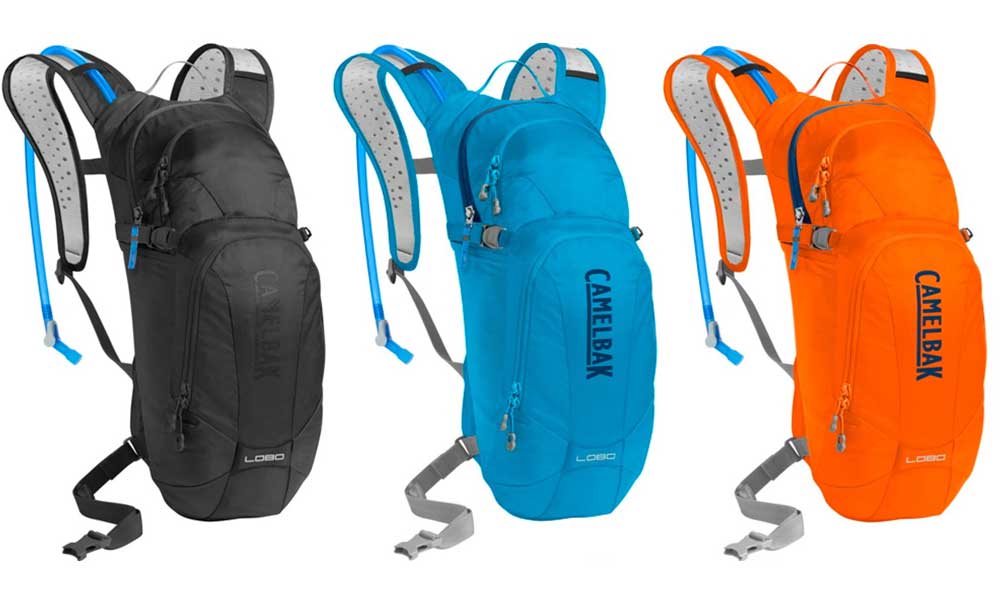
Dick’s runs one of the larger brand assortments in the country, with bottles in the hydration aisle and a long run of packs online: the M.U.L.E., Lobo, Velocity, and the SnoBlast built for ski days in snow. In-store stock varies by location, so check the Dick’s Sporting Goods listing first. Public Lands, the Dick’s outdoor banner, lists bladders and hydration vests too.
REI
REI is the strongest option once you are past a bottle. The co-op shelves spare bladders, mouthpieces, tube kits, and drying racks beside the packs, and that parts selection is the argument for buying there. Browse the REI brand page or call ahead to confirm stock.
Academy, Scheels, and L.L.Bean
These three are regional strengths. Academy Sports covers the South and Texas and lists packs such as the M.U.L.E. 12. Scheels runs big Midwest stores with deep outdoor floors. L.L.Bean keeps a narrow selection centered on Crux bladders for runners and hikers rather than bottles. Use the L.L.Bean store locator to find a location.
Walmart and Target
Both lean toward bottles rather than packs, mostly the Eddy+ and Chute Mag lines. Small sizes turn up near school supplies such as JanSport backpacks when back-to-school sets go out. Call ahead at smaller stores, where the water bottle bay may be one shelf.
Off-Price and Military Surplus Stores
TJ Maxx, Ross, and Burlington sometimes get discontinued colorways at a markdown. Surplus and tactical stores are where the military line surfaces. Stock is unpredictable at both, so treat either as a lucky find, and remember the warranty point in the next section before you count on coverage.
Ordering Online Without Losing the Warranty
Online is where the spare parts live, and the seller you pick decides whether the lifetime guarantee applies. The Got Your Bak Lifetime Guarantee covers reservoirs, packs, bottles, and accessories against manufacturing defects for the product’s usable life, with repair or replacement at the company’s discretion and no cash refunds. It covers only products bought from CamelBak or an authorized dealer in the United States, and CamelBak reserves the right to reject claims for products from unauthorized sellers, including unauthorized websites. Normal wear, loss, combat damage, and improper cleaning are excluded.
Amazon
Amazon has a deep catalog: replacement bladders, mouthpieces, tube kits, and cleaning tablets that stores rarely stock. Buy from the official brand storefront or a named retailer, since an unidentified third-party seller may not count as an authorized dealer. Browse the full catalog on Amazon #ad.
The Official Site
The manufacturer’s own store lists the complete lineup plus replacement parts sorted by bladder generation, the fastest way to match a part to something you already own. Buying direct also keeps the order record and any warranty claim in one place.
REI.com and Backcountry
REI.com mirrors the store assortment and adds member reviews from people who actually hike. Backcountry carries a wide run of packs, including the Octane, Classic Light, and H.A.W.G. models, and often marks down previous-season colors. It is also where the same buyer picks up trail sandals like Chacos, so one combined order goes further. Moosejaw, once a common pick here, closed its site in 2024 and now redirects to Public Lands.
Trek and Local Bicycle Shops
Trek stores and independent bike shops cover the cycling side: Podium bottles, low-profile packs for a short ride, and matching frame cages. A mechanic can tell you which mountain bike pack clears a full-face helmet, which no product page will.
Reading the Spec Sheet Before You Buy
Start with the activity, then the model. Capacity trips up most buyers, because a hydration pack advertises two numbers that measure different things.
Bladder capacity versus cargo volume. The number in a model name is usually storage space in liters, not water. An M.U.L.E. 12 carries 12 liters of cargo plus a separate 100oz Crux reservoir. A Chase Adventure 8 vest holds 8 liters. If storage matters more than water, compare it against one of the backpacks built for commuting.
Which reservoir generation you get. The Crux hydration reservoir replaced the older Antidote water bladder, with an on/off lever at the mouthpiece and a wider tube the brand says delivers 20 percent more flow per sip. Crux comes in 1.5L (50oz hydration size), 2L (70oz hydration size), and 3L (100oz). The newer Fusion reservoir uses a zippered opening instead of a screw cap and is sold alongside Crux. What the product page does not spell out is that these generations use different tube diameters and couplings, so an Antidote hose will not seat securely on a Crux reservoir.
Lid style on bottles. Three lids cover most of the catalog: the Eddy+ straw-and-bite lid, the Chute Mag wide spout with a magnetic cap that stows while you drink, and the Podium squeeze cap with a self-sealing jet valve, a fixture in cycle sport and road race packs.
Material. Tritan Renew plastic is light, shatter-resistant, and free of BPA, BPS, and BPF according to the brand. Insulated stainless steel weighs more than twice as much in the 32 oz Chute Mag and holds cold far longer. Plastic for what you drop, steel for what you leave in a hot car.
Harness fit. A hydration vest sits tight to the ribs and bounces less, which is why trail runners pair one with running shoes and skip the hip belt. Biking models ride lower on the back. Check shoulder strap length first, because a bag cut for a short torso will not sit right on a tall one.
Five CamelBak Picks by Job
These five cover the jobs most buyers have, chosen on valve design, parts availability, and build quality. Prices move with season and color, so check the live listing.
Best overall bottle: CamelBak Eddy+ 25 oz. Self-sealing bite valve, dishwasher-safe Tritan Renew, narrow enough for a cup holder. Check price on Amazon
Best insulated: Chute Mag 32 oz, insulated stainless steel. Double-wall vacuum construction rated by the brand to keep drinks cold for a full day, with a magnetic cap that stays clear of your face. See it on Amazon
Best hydration pack: M.U.L.E. 12. A 100oz Crux reservoir plus 12 liters of cargo, a ventilated back panel, and a magnetic tube trap for the hose. View the listing on Amazon
Best budget bottle: Podium 24 oz. Squeeze body with a jet valve you can work one-handed on a ride. Hand wash the body, since the brand’s care guide lists only the cap as top-rack safe. See it on Amazon
Best for kids: CamelBak Eddy+ Kids 14 oz. Spill-proof straw lid small hands can open, BPA-free, with replacement valves sold separately. Check the listing on Amazon
Is the premium pack worth it? Only if you use it. Hike twice a year on marked trails and an insulated bottle beats a full rig you will clean twice. Osprey is the obvious alternative on cargo-heavy packs; the case for this brand is the water bladder and the parts supply.
Mistakes That Cost More Than the Pack
The expensive mistake is rarely the wrong model. It is a counterfeit or an uncovered purchase that fails eight miles from the trailhead.
- Buying from a seller you cannot identify. Bladders and bottles get counterfeited. Fakes copy the logo well and the valve badly, and an unauthorized seller can void the guarantee even when the product is genuine.
- Assuming any reservoir drops into any carrier. Sleeve dimensions differ by capacity and model year. A 100oz bladder will not sit flat in a sleeve cut for a 50oz insert.
- Storing a reservoir wet and sealed. The reason most bladders are thrown out early is mold in the tube, not a failed seam, because a sealed hose never dries. Rinse it the same day, brush the tube, then dry it propped open or freeze it.
- Buying secondhand and counting on the warranty. Coverage is tied to buying from the brand or an authorized dealer. A used pack is fine if it is cheap enough, just do not count the guarantee in the value.
Decide the activity, then the capacity, then the store. Need a bottle today? Target or Walmart will have one on the shelf. Need a pack that fits? Try it on at REI or Dick’s, or order from the official site and add a spare mouthpiece. Whichever CamelBak you buy, confirm the seller is authorized first, because that one check keeps the lifetime guarantee attached.
CamelBak Questions Buyers Ask
Why did REI stop selling CamelBak?
REI paused new orders in March 2018 because the parent company at the time, Vista Outdoor, also owned firearms brands. After Vista sold those businesses, REI resumed orders in 2019, and the co-op stocks the line today.
Are the bottles dishwasher safe?
Eddy+ and Chute Mag caps and vessels are listed as dishwasher safe, with caps on the top rack. Podium bottles are the exception: the brand says to hand wash the body. Bladders clean better by hand with a brush, because a dishwasher cannot flush a tube.
Who owns the company today?
The brand belongs to Revelyst, which became part of funds managed by Strategic Value Partners in January 2025. Before that, Vista owned it from 2015.
How do I spot a counterfeit bladder?
Check the seller first, then the fill opening and bite valve, since those are the parts fakes get wrong. A listing priced far under every authorized retailer and blurry logo printing are the other tells.
Is it as good as Yeti?
They win at different jobs. Yeti owns heavy vacuum tumblers and coolers. This brand owns hands-free hydration, where a hose and a valve you can work while moving matter more than ice retention. For a desk mug, buy Yeti. For a trail, buy the harness.
Can a new Crux fit an older pack?
Usually, as long as the capacity matches the sleeve. The catch is the hose: Crux tubes are wider than Antidote tubes, so order the bladder with its own tube and valve rather than reusing the old hose.
About This Guide
The wheretobuyguides.com editorial team rechecked retailer coverage, ownership, the bladder lineup, and the published warranty terms for this guide in October 2026. Prices were left out because they change with sales and season. Read the brand’s published guarantee before filing a claim.