
Blue Buffalo dog food is easiest to find in its Life Protection Formula line, which Walmart, Target, Kroger, Costco, Sam’s Club, PetSmart, Petco, Tractor Supply, Chewy, and Amazon all carry. The narrower lines are a different story. Wilderness, Basics, Freedom, and True Solutions sit mainly with pet specialty chains and online sellers, and the prescription range goes through your veterinarian. Decide which line your dog needs first, and the right store usually follows.
This page contains affiliate links. We may earn a commission at no extra cost to you.
Which Line Is Sold Where
Blue Buffalo is a natural pet food brand that builds its kibble and canned formulas around a named meat as the first ingredient and leaves out corn, wheat, soy, and poultry by-product meals. Its product finder lists more than a dozen dog lines. These are the ones shoppers ask about most.
| Line | What it is | Where it is usually stocked |
|---|---|---|
| Life Protection Formula | Everyday kibble and cans made with whole grains | Mass retailers, grocery chains, warehouse clubs, pet chains, online |
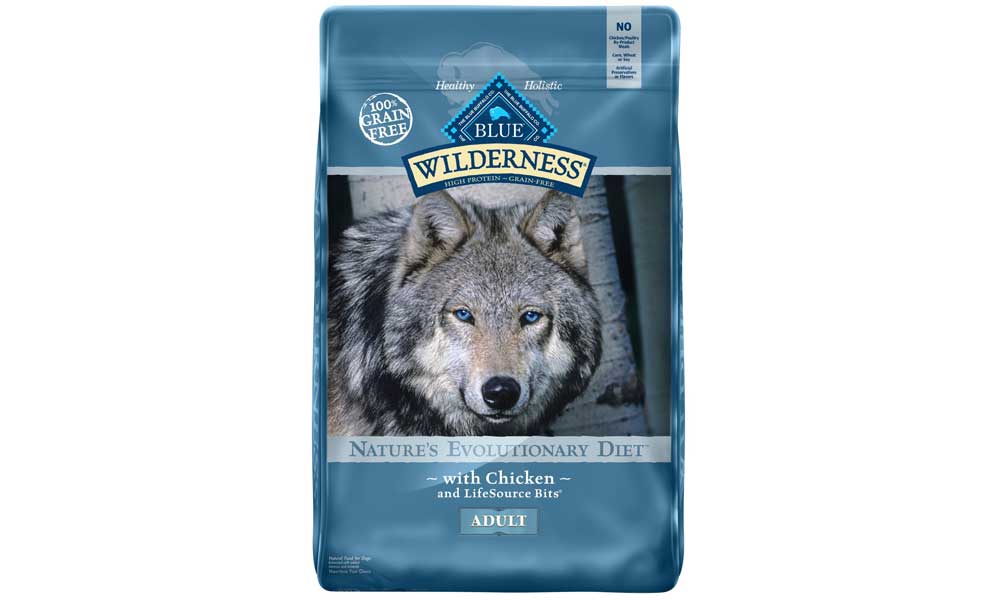
| BLUE Wilderness | Higher protein, mostly grain free | Pet specialty chains and online; some items at mass retailers |
| Basics, Freedom, True Solutions | Limited ingredient, grain free, and targeted-need formulas | Pet specialty chains and online |
| Natural Veterinary Diet | Therapeutic formulas, such as GI support | Vet clinics and online pet pharmacies, with vet authorization |
| Love Made Fresh | Refrigerated fresh food, launched October 2025 | Walmart, Target, Kroger, Meijer, and grocery cold cases |
Every kibble bag carries LifeSource Bits, cold-formed pieces holding antioxidants and vitamins; some dogs eat around them. A cat food range and a long list of treats sit alongside the dog lines.
Who Makes Blue Buffalo Dog Food Now
General Mills owns the company. It completed the purchase on April 24, 2018, for about 8 billion USD, and runs the business as its own pet segment. Before that, Blue Buffalo was a family company: Bill Bishop and his sons Billy and Chris started it in Wilton, Connecticut, naming it after Blue, their Airedale, who had battled cancer. Its first launch was Life Protection Formula, tested in 240 PetSmart stores.
That history explains today’s shelves. The brand began as a pet specialty label for pet parents who treat a family dog like family, and after the deal the grain-inclusive line spread into grocery and big-box aisles. The specialty-only lines mostly stayed where they were, which is why a supermarket may stock twenty Blue Buffalo items and still have no Basics.
Buying in Store: Big Box, Grocery, Club, and Pet Chains
Pet specialty chains carry the deepest in-store selection; mass and grocery stores stock the fastest movers, usually Life Protection in a handful of sizes.
Walmart and Target
Supercenters stock a broad run of kibble, cans, and treats. Browse their selection and check local stock, since Neighborhood Market stores carry a thinner assortment. Target keeps a smaller range in its pet section, so check availability on their site first. Both are among the first retailers listed for the refrigerated Love Made Fresh tubs and rolls.
Kroger and other grocery chains
Kroger and its banners, including Fred Meyer, Ralphs, and King Soopers, stock a curated set of dry dog food and cans, with digital coupons in the app. Regional grocers such as H-E-B list Life Protection bags too. Grocery is the convenient option, not the cheap one, because small bags dominate.
Costco and Sam’s Club
Both clubs list a 38 lb bag of Life Protection Formula Chicken and Brown Rice, the largest bag most shoppers will see. Club stock rotates, and Costco’s own listing has shown the bag as unavailable at some warehouses, so check the app before driving over. Our guide to what to buy at Costco explains that pattern.
PetSmart, Petco, and Tractor Supply
PetSmart and Petco put the widest variety on a shelf, including Wilderness cans, Basics, and treat assortments the mass retailers skip. Tractor Supply lists a long run of Life Protection formulas (beef, lamb, salmon, healthy weight, small breed, large breed, senior, and puppy among them) in large bags, which suits multi-dog homes. Pet Supplies Plus and independent shops round out the list.
Ordering Blue Buffalo Dog Food Online
Online is where the full catalog lives, and repeat delivery is where the savings sit.
Chewy
Chewy, the online pet supply retailer, carries the deepest selection, including hard-to-find formulas and most of the specialty lines. Autoship applies a repeat-order discount, and free shipping starts above an order threshold; both terms change, so read them at checkout.
Amazon and other sellers
Shop the full catalog on Amazon #ad for Prime delivery. Subscribe & Save applies a recurring discount that varies, so check the figure on the listing. Recent review dates are the fastest way to spot a bad production run.
Sellers on eBay list single bags, discontinued flavors, and bulk lots; verify feedback and ask about the best-by date. The official brand website shows the complete lineup and a store locator, plus a product finder filtering by breed, age, and goal. Natural Veterinary Diet formulas sell through online pet pharmacies such as 1-800-PetMeds, which collect your vet’s details and wait for authorization before shipping.
Five Label Checks Before You Pay
Match the recipe to your dog first, then shop price. These five details on the bag decide which one is right.
- The first ingredient. Look for deboned chicken, salmon, lamb, or beef at the top of the panel. Real meat first is the brand’s core claim; in the flagship Life Protection formula, chicken meal, brown rice, barley, and oatmeal follow it.
- Grains or none. Life Protection uses whole grains. Wilderness, Freedom, and part of Basics do not. Ask your vet before moving a healthy dog off grains (the next section explains why).
- Life stage and breed size. Puppy, adult, and senior versions differ in calorie density, calcium, and phosphorus. Small breed bags use a smaller, crunchy kibble; large breed puppy formulas control growth rate. Picking the wrong stage is the most common labeling mistake.
- Wet, dry, or fresh. Kibble costs less per calorie and stores easily. Wet cans carry far more moisture, which helps picky eaters. Fresh rolls need refrigeration and a quick use-by window.
- Unit price. Shelf tags and retailer sites show a per-pound price. Compare that, not the sticker, because a bag twice the size rarely costs twice as much.
A practical rule: buy the biggest bag your dog finishes in about six weeks. Past that, the fat in an opened bag starts to oxidize, and the savings go stale with it.
Grain Free, Recalls, and the By-Product Lawsuit
Three pieces of history come up whenever people ask whether the brand is safe. None is a reason to panic; each is a reason to read the label.
Grain free and heart disease. The U.S. Food and Drug Administration, the agency that regulates pet food, investigated reports of canine dilated cardiomyopathy (DCM), a heart muscle disease, in dogs eating certain diets, many of them grain free. Blue Buffalo was among the brands named most often in those reports. The FDA says report counts alone do not establish cause, and its DCM investigation page, last updated December 2022, says no further updates will come until there is meaningful new science.
The by-product admission. Purina sued in 2014, alleging that Blue Buffalo foods marketed without poultry by-product meal actually contained it. In 2015 Blue Buffalo admitted in court that some of its foods had and blamed Wilbur-Ellis, a supplier that shipped lower-grade poultry meal labeled as chicken meal. Federal prosecutors later brought criminal charges over the mislabeled ingredients, and a processing plant manager pleaded guilty in 2019.
Recalls. The best-known one, in March 2017, covered a single lot of Wilderness Rocky Mountain Recipe Red Meat Dinner cans over possible elevated beef thyroid hormone; the FDA has since terminated it. An earlier recall pulled several kibble formulas for excess vitamin D. Scan the FDA animal food recall database and match the lot code near the bottom seam of your bag.
Storing an Open Bag and Changing Formulas
An opened bag of dry dog food loses quality well before the printed best-by date. Rancid fat makes an old bag smell like crayons. Store the original bag inside a bin rather than pouring loose kibble in; the liner is a moisture barrier the bin is not. Replace early if the kibble looks greasy or smells sharp.
An abrupt change of food is the fastest route to loose stool, even between two formulas from the same brand. The transition below follows standard veterinary nutrition guidance.
- Days 1 to 3: feed 25 percent new food mixed with 75 percent of the current one.
- Days 4 to 6: move to a half-and-half blend and watch stool quality.
- Days 7 to 9: shift to 75 percent new food.
- Day 10: serve the new recipe alone, and call your vet if loose stool or itching persists.
Six Formulas Worth Starting With
These cover the common cases, picked on ingredient panel and how widely each is stocked.
Best overall: Life Protection Formula Adult Chicken and Brown Rice. The flagship and safest starting point, sold in more stores than any other formula, up to the 38 lb club bag. Check price on Amazon
For food sensitivities: Basics Limited Ingredient Turkey and Potato. One animal protein, useful while ruling out a sensitivity with your vet. See it on Amazon
Best high protein: Blue Wilderness Adult Salmon. Deboned salmon first, for active dogs that burn calories; grain free, so read the DCM note above. Check price on Amazon
Best for puppies: Life Protection Puppy. Adds DHA and a controlled calcium-to-phosphorus ratio for growing bones, a fit for new puppies. See it on Amazon
Best for seniors: Life Protection Senior. Fewer calories per cup than the adult version, with glucosamine for aging joints. Check price on Amazon
Best treat: Blue Bits Tender Beef Training Treats. Soft, small, real beef, built for repetition training. For a frozen summer reward instead, see where to buy Frosty Paws. See it on Amazon
Start by matching a line to your dog’s life stage and any known sensitivity, then buy one small bag before committing to thirty pounds or more. If it lands well, price the large bag at a club, Tractor Supply, Chewy Autoship, and Subscribe & Save, and keep Walmart or Target as the same-day backup. If your dog turns it down, try a different named protein, or a rival label such as Taste of the Wild or Freshpet, before giving up on Blue Buffalo dog food. Our guide to shopping for dogs covers the rest of the list.
FAQ: Buying Blue Buffalo Dog Food
Do veterinarians recommend Blue Buffalo?
Many vets prefer brands that employ full-time veterinary nutritionists and fund long-term feeding trials, such as Hill’s, Royal Canin, and Purina. Blue Buffalo formulas meet AAFCO nutrient profiles, the standard used across the United States, and the company now sells its own prescription range, Natural Veterinary Diet, through clinics. Ask your vet which formula fits your dog’s health history.
Has Blue Buffalo dog food been recalled?
Yes, a few times, as most large pet food makers have been. The 2017 recall covered one production lot of Wilderness Rocky Mountain Recipe cans, and an earlier one covered several kibble formulas with excess vitamin D. Check the FDA database and the recall page on the company site, then match the lot code on your bag.
Does Costco carry Blue Buffalo?
Costco and Sam’s Club both list the 38 lb adult Life Protection Formula bag. Availability differs by warehouse, so check the app or call before a trip.
Is the grocery store version the same as the pet store version?
The recipes are the same; the assortment is not. Supermarkets and mass retailers carry high-volume Life Protection items in fewer sizes, while the narrower lines rarely leave specialty shelves. Compare the exact formula name and bag weight, not the artwork.
About This Guide
Editorial review: wheretobuyguides.com team. Last reviewed October 2026 against retailer listings, the brand’s own site, General Mills announcements, and guidance from the U.S. Food and Drug Administration. Prices are not listed because they change weekly. Nothing here is veterinary advice; ask your vet which formula fits your dog.