
Where to Buy Nizoral Shampoo: The Short Answer
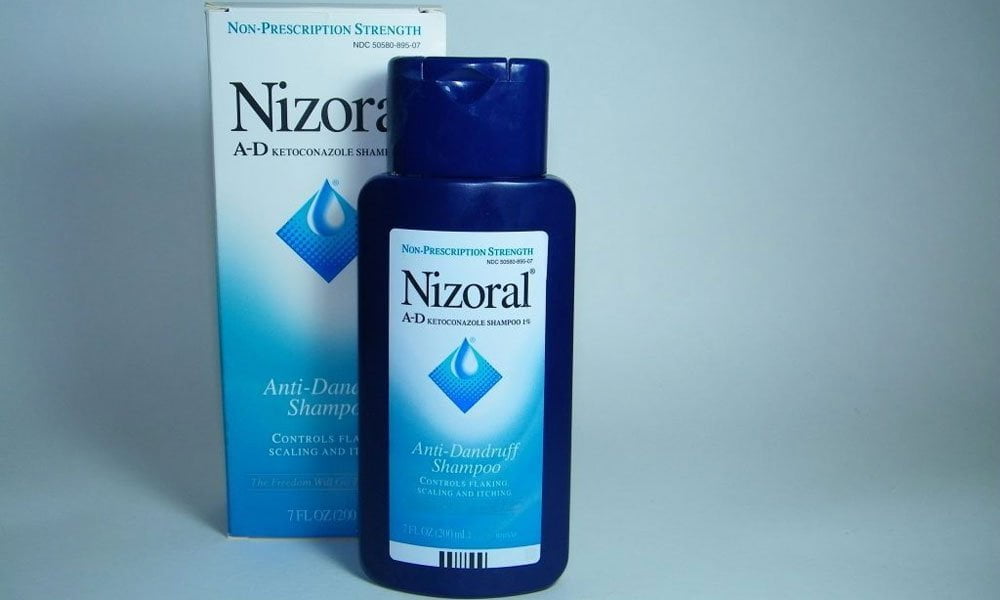
Nizoral shampoo is sold without a prescription at Amazon, Walmart, CVS, Walgreens, Target and most supermarket pharmacies, usually in the medicated hair care section rather than the styling aisle. The bottle on those shelves is an over-the-counter antifungal medication with ketoconazole 1% as its active ingredient, labeled to control the flaking, scaling and itching associated with dandruff. If you came looking for the 2% strength, that one needs a prescriber in the US, and no store will ring it up on request.
This page contains affiliate links. We may earn a commission at no extra cost to you.
The brand changed hands in 2018, when Kramer Laboratories bought the North and Latin American rights from Janssen, a Johnson & Johnson company. Current US labels read “Distributed by Kramer Laboratories, Bridgewater, NJ.” That matters for one reason: the brand’s own official brand site now points shoppers to Amazon, Walmart, CVS Pharmacy, Walgreens and regional grocers, and buying from that list avoids the unknown-seller problem entirely.
Who it suits: adults and children 12 and over with stubborn flakes and an itchy scalp that a regular shampoo has not fixed. Malassezia, a yeast that lives on nearly every scalp, is the primary cause of dandruff, and ketoconazole is an antifungal that targets the fungus that causes the flaking rather than just rinsing flakes away. Seborrheic dermatitis can look like plain dandruff, so redness that spreads beyond the hairline is a reason to see a clinician, not a reason to buy a bigger bottle.
Which Nizoral Bottle Actually Contains Ketoconazole?
Only the anti-dandruff shampoos do. Ketoconazole, the active ingredient in Nizoral dandruff products, is missing from the rest of the line. Kramer has stretched the Nizoral name across shampoos, creams, a hair regrowth foam and a pet shampoo, with different drugs inside, and the packaging family resemblance is strong enough that grabbing the wrong one is easy. The Drug Facts panel settles it in five seconds.
| Product on the shelf | Active ingredient | Labeled for |
|---|---|---|
| Nizoral® Anti-Dandruff Shampoo | Ketoconazole 1% | Flaking, scaling and itching of dandruff |
| Nizoral Anti-Dandruff 2-in-1 Shampoo + Conditioner | Ketoconazole 1% | Dandruff, with conditioning added |
| Nizoral Psoriasis Shampoo | Salicylic acid | Scalp psoriasis symptoms |
| Nizoral Scalp Itch Relief Shampoo | Hydrocortisone | Scalp itch |
| Nizoral Hair Regrowth Treatment for Men | Minoxidil foam | Hereditary hair loss |
| Nizoral Pet Shampoo | Chlorhexidine plus ketoconazole | Animals only |
The 1% shampoo’s DailyMed label, the National Library of Medicine’s database of official drug labeling, lists 2, 4, 7, 11, 14 and 19 fl oz bottles plus a value carton of two 11-ounce bottles. Stores rarely stock all of them. The 7-ounce bottle in the fresh scent formula is the one nearly every retailer carries, and the 14-ounce size turns up at CVS, Target and Walmart.
For comparison with the rest of the dandruff shampoo shelf: Head & Shoulders is built on zinc pyrithione, Selsun Blue on selenium sulfide (also written selenium disulfide), and other medicated lines on salicylic acid. Ketoconazole is the one classified as an antifungal, which is why people often switch to it after the others stop helping.
1% Over the Counter, 2% by Prescription
The split is a regulatory one, not a marketing tier. The 1% formula is approved for over-the-counter sale to control dandruff symptoms. Prescription ketoconazole shampoo is used to treat tinea versicolor, one of the fungal infections of the skin, which causes discolored patches, according to MedlinePlus, and it is typically applied once rather than on a twice-a-week schedule. Both appear in the Drugs@FDA database, published by the Food and Drug Administration, the federal agency that regulates drug products in the US.
Here is the part that explains why the brand has the 1% aisle almost to itself. The FDA’s over-the-counter dandruff monograph, 21 CFR 358.710, lists coal tar, pyrithione zinc, salicylic acid, selenium sulfide and sulfur as permitted actives. Ketoconazole is not on that list. Any company that wants to sell it without a prescription needs its own FDA application, and the Nizoral label carries one (NDA 020310). That hurdle helps explain why DailyMed lists no ketoconazole dandruff shampoo under a major pharmacy chain’s house brand; the only other 1% labels there come from small marketplace sellers. Walmart’s own listing describes it as the only over-the-counter dandruff shampoo with ketoconazole 1%.
Canadian online pharmacy Well.ca lists a Nizoral 2% shampoo, which is why some travelers expect to find it here. A US pharmacist cannot substitute it for you.
Buying Nizoral Shampoo Online
Amazon, Walmart.com and Walgreens.com cover most online orders. Seller verification separates them more than price does.
Amazon
Amazon lists the standard bottle and multi-packs from a mix of first-party and third-party sellers. Read the “Ships from and sold by” line before you check out, because marketplace listings are where counterfeit and expired OTC drugs concentrate. Browse the selection on Amazon.
The brand’s own site
Nizoral.com sends buyers to retailers rather than running a store. Its marketing calls the formula clinically proven to control flaking, scaling and itching from dandruff, and its FAQ cites studies covering mild, moderate and even severe dandruff. Use it to confirm which formats exist before trusting an unfamiliar listing, such as an imported 2% bottle on a marketplace.
Walmart.com and Walgreens.com
Both sell the same stock their stores carry, with store pickup. On Walmart.com, filter to items sold by Walmart itself, since some multi-pack listings come from outside sellers. For a drug product, buying from the chain directly is worth a small premium.
Two related guides cover adjacent buys: tea tree oil shampoo looks at a non-medicated option for an itchy scalp, and the Kiehl’s guide covers where that skin care line is sold.
Store Shelves: Pharmacies, Supercenters and Grocers
Any full-line drugstore, supermarket pharmacy or supercenter is a reasonable bet. Look in medicated hair care, or ask at the pharmacy counter.
Walmart
Walmart, the largest brick-and-mortar retailer in the US, lists the 7-ounce fresh scent bottle, a 14-ounce value size, the 2-in-1 and the separate psoriasis shampoo. That last one sits right beside the others, so check the active ingredient before you pay.
Walgreens
Walgreens is on the brand’s retailer list. Stock varies by location, so run the store-availability check in the app or call ahead before a special trip.
CVS
CVS lists both the 14 oz anti-dandruff shampoo and the 14 oz 2-in-1 shampoo and conditioner. It is a convenient stop if you are already collecting a prescription.
Target
Target lists the 14-ounce bottle in its hair care assortment, which varies by store format. Check local availability on the retailer’s site before making the trip.
Grocery chains fill the gaps. H-E-B, King Soopers (a Kroger banner), Giant, Stop & Shop, Hannaford, Food Lion and ShopRite all list Nizoral, and the brand’s retailer page also links to Kroger, Meijer and Publix. An independent pharmacy will usually order it in. While you are in that aisle, our guides to Layrite and Dermasil lotion cover two more drugstore staples.
Paying for It: Cost per Ounce and FSA or HSA Funds
Shelf prices move with promotions, so compare the unit price on the tag (cost per fluid ounce) instead of the sticker. Larger bottles usually win on that measure, but a sale on the smaller bottle can flip it. With no chain store-brand ketoconazole copy listed, size and timing are the only real levers on price.
Pre-tax money is the other lever. Because this is a drug rather than a cosmetic, it falls under the over-the-counter medicine rule the CARES Act created: since January 1, 2020, OTC medicines can be bought with FSA and HSA funds without a prescription. That sets it apart from most items in our supplements guide, since a dietary supplement usually needs a letter of medical necessity. Employer plans can still limit OTC coverage, so confirm with your plan administrator and keep the receipt.
Mistakes That Waste the Purchase
Most wasted purchases come from buying the wrong product in the family, or using the right one in a way its label never described.
Grabbing the psoriasis or itch-relief bottle by mistake. Same brand, different drug. If the panel says salicylic acid or hydrocortisone, it is not the ketoconazole formula.
Buying it as a hair loss product. Hair loss is not an approved use of the OTC ketoconazole shampoo, and the published evidence for ketoconazole in hair thinning is limited, even though it has a following online. The brand’s FDA-labeled hair loss product is the separate minoxidil foam. If thinning is the real concern, a dermatologist can sort out the cause.
Buying from an unverified marketplace seller. The FDA has warned for years about medicines bought from unauthorized online sellers, where counterfeit and expired stock turns up far more often than on chain shelves. The label prints the lot number and expiration date on the top panel; check both on arrival.
Skipping the Drug Facts panel. The label marks the product for external use only. It says not to use it on a broken or inflamed scalp, to keep it out of the eyes, to ask a doctor first if pregnant or breastfeeding, and to contact a Poison Control Center right away if it is swallowed.
Pushing through a reaction. The label says to stop and ask a doctor if a rash appears or if the condition worsens or does not improve in 2 to 4 weeks. A dry scalp that flakes without redness may not be dandruff at all.
Worrying about colored hair. Not needed. The brand’s FAQ says the formula is safe for color-treated, chemically processed and gray hair, so a fresh dye job from our Pravana hair color guide is no reason to skip it. On the days in between, the brand says to use regular shampoo and conditioner.
Top Picks
Chosen on formula, size and how easy each one is to find. Prices shift weekly, so compare the unit price on the tag.
Best overall: Nizoral® Anti-Dandruff Shampoo, 7 fl oz. The standard bottle, ketoconazole 1%, in the fresh scent formula, and the size nearly every retailer stocks. Check price on Amazon
Best value: Nizoral Anti-Dandruff Shampoo two-bottle pack. Worth it once you know the formula suits your scalp, because buying two at once usually lowers the cost per ounce. Check price on Amazon
Best small size: Nizoral Anti-Dandruff Shampoo, 4 fl oz. The low-commitment first try. Some retailers show it out of stock, so check before you count on it. Check price on Amazon
Best for dry or long hair: Nizoral Anti-Dandruff 2-in-1 Shampoo + Conditioner, 14 oz. The same 1% ketoconazole with conditioning built in, sold at CVS, Walmart and ShopRite.
Start with the Drug Facts panel. If it reads ketoconazole 1%, that is the over-the-counter product, and you can buy it today at Walmart, CVS, Walgreens, Target or a supermarket pharmacy; buy the size you will finish in eight weeks and pay with FSA or HSA funds if you have them. If you are convinced the 2% strength is what you need, book the appointment instead. Whichever route you pick, read the directions on your nizoral shampoo before the first wash, and ask a doctor or pharmacist if symptoms persist.
Nizoral Shampoo Questions Buyers Ask
What is the difference between the 1% and 2% strengths?
The 1% formula is the over-the-counter product for dandruff; the 2% strength is a prescription medication in the United States. Same active ingredient, different concentration, completely different buying path. A pharmacist cannot sell the stronger one on request, because a prescriber decides that.
How often does the label say to use it?
The OTC Drug Facts directions say to use it every 3 to 4 days for up to 8 weeks, roughly twice a week, then only as needed to control dandruff. Wet hair thoroughly, apply shampoo, lather generously, rinse and repeat. The directions cover adults and children 12 and over and tell parents of younger children to ask a doctor.
Does it help with hair loss?
Hair loss is not an approved use of the OTC ketoconazole shampoo, and the label makes no such claim. Ketoconazole has attracted off-label interest for thinning, but the published research is limited. The brand sells a separate minoxidil foam for hereditary hair loss, and a dermatologist can work out what is driving the thinning.
Is there a generic or store-brand version?
Not from the major chains. Ketoconazole is not one of the dandruff actives in FDA’s OTC monograph, so a 1% copy needs its own FDA approval, and DailyMed lists no house-brand version from Walmart, CVS or Walgreens. If a cheaper bottle appears, compare it on cost per ounce and choose a chain over an unknown marketplace seller.
Has it been discontinued?
No. Kramer Laboratories distributes the 1% shampoo in the US, its official label was updated in September 2026, and Walmart, CVS and Target all list it. The question usually traces back to one size being out of stock at one retailer, or to confusion with the 2% strength, which is not sold over the counter here.
Reviewed by the wheretobuyguides.com editorial team. Written with reference to the product’s Drug Facts labeling on DailyMed and to MedlinePlus, the National Library of Medicine’s consumer health service. This page is general shopping information, not medical advice, and it is not medically reviewed. Talk to your doctor or pharmacist.