
Chinchillas are best found through a rescue first, a small breeder second, and a chain pet store last, and the source matters more than the price. These long-lived, heat-sensitive rodents from the Andes need a room that stays cool, a dust bath instead of water, chew material for teeth that never stop growing, and an exotics vet lined up before the animal comes home.
This page contains affiliate links to pet supplies. We may earn a commission at no extra cost to you. We do not link to sellers of live animals.
Is a Chinchilla the Right Pet for Your Home?
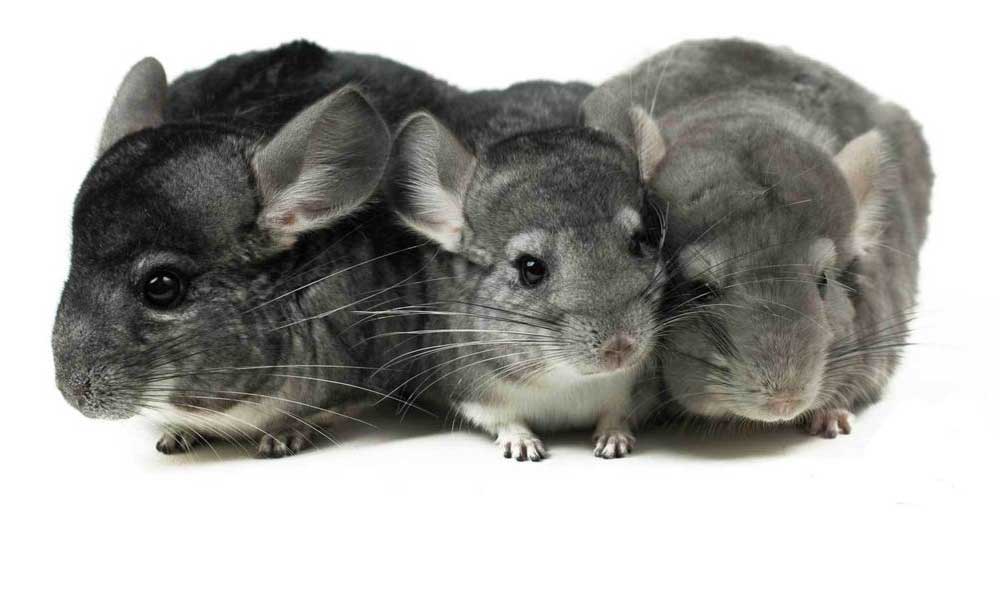
Only if you can keep a room cool and plan well over a decade ahead. A chinchilla is a plant-eating rodent in the family Chinchillidae, kept as a companion animal for its dense fur, quiet habits, and unusually long life. The two wild species, the long-tailed chinchilla and the short-tailed chinchilla, live at high elevation on the rocky slopes of the Andes Mountains, in rock crevices and burrows across arid ground in Chile, Bolivia, and Peru. Commercial hunting for pelts pushed both toward extinction, so every pet chinchilla sold in the United States is captive-bred.
Buyers underestimate the lifespan. VCA Animal Hospitals puts life expectancy at 15 to 20 years, so one bought for a ten-year-old can outlast that child’s time at home.
They are crepuscular, busiest at dawn and dusk and still going late in the evening, which is why care sheets loosely call them nocturnal. Expect thumping at 11pm. Poor match for a bedroom, a warm house, or anyone hoping for a lap pet. It suits a patient adult with a reliably cool room. Our guides to pet fish and pet turtles cover easier starts.
Rescue, Breeder, or Pet Store: Where to Get Chinchillas
Adopt if a suitable animal is within driving distance, buy from a small breeder if not, and treat a chain store as the fallback. Online you are looking for listings and directories, not a checkout. Nobody reputable ships one to you sight unseen.
Rescues and Adoption (Start Here)
Adoption is the first place to look, because surrenders are common and rescues screen for health before rehoming. Adopted animals are usually adult, used to human care, and often available as bonded pairs, which skips the slow introduction. Staff also tell you which animals dislike handling. Petfinder and Adopt-a-Pet aggregate small-animal listings from shelters and rescues, so search both.
Posted fees vary widely: some Midwest rescues list adults at about $75, while California Chins in the Bay Area lists $150 for a standard gray, $250 for a color mutation, and requires its Chin 101 class first. Ask what the fee covers.
Small Breeders and the USDA License Question
If no rescue animal fits, a small breeder is next, because they can tell you the parents, the temperament, and the exact birth date. Two long-running US breeder groups, the Mutation Chinchilla Breeders Association and the Empress Chinchilla Breeders Cooperative, publish member directories worth using as a starting point, though membership is no quality guarantee. A good breeder asks you questions too, and many write in a return clause so their domestic chinchillas never land on classifieds.
Federal licensing is the question almost nobody asks. Under the Animal Welfare Act rules at 9 CFR 2.1, a breeder with four or fewer breeding females selling only offspring born on site needs no USDA license, and neither does a seller who meets every buyer face to face. A bigger operation that wholesales to stores or ships animals unseen generally needs a USDA APHIS dealer license; ranches raising them solely for fur fall outside the Act. A license is a floor, not a seal: in 2021 a USDA judge permanently revoked one held by a Minnesota chinchilla ranch after years of violations.
Petco, PetSmart, and Independent Shops
Chain pet stores are the last option, not the first. You see the animal before deciding, but rarely get a birth date, a parent history, or a straight answer on socialization. Petco sells live small animals at select stores, in the pocket pet section near the guinea pig and hamster enclosures, though stock varies by location. Call first. Its free care sheets are worth reading even if you buy elsewhere, so read the care sheet here. PetSmart also lists live small pets at participating locations; check the range online, then ask how long that animal has been there.
Judge an independent exotic pet shop by its enclosures: cage size, temperature, cleanliness, and whether animals are housed in compatible groups. A good one tells you where an animal came from, and stocks pumice chews and specialty hay.
How to Health-Check a Chinchilla Before You Pay
The clearest sign of a healthy animal is a calm, alert one that moves easily, with no discharge from the eyes or nose. Run these checks in person, in order.
- Watch it move before you touch it. A settled animal will sit upright, climb on its strong hind limbs, and hold food in its front paws. Hunching in a corner is the warning sign.
- Check the coat. Fur should be uniformly dense and dry, since dozens of hairs grow from one hair follicle. Damp fur or bald patches of fur point to illness.
- Look at eyes and ears. Eyes should be clear, the large ears clean and free of scabs. Nasal discharge suggests a respiratory or dental problem.
- Inspect the front teeth. Incisors should be orange-yellow and evenly aligned. Teeth grow continuously, so misalignment turns into repeat vet bills.
- Ask for the age and health history. Sexual maturity arrives near eight months of age, when unplanned litters happen in mixed-sex groups. No records, no deal.
- Ask whether it has cage mates. These are highly social animals that live in colonies in the wild, and most settle better in a same-sex pair.
Line up an exotics vet first. Not every small animal clinic treats this species. Find a veterinary practice with exotic mammal experience before you commit, not during a dental emergency.
Red Flags That Should End the Visit
The most expensive mistake is buying on the day you first see one. That impulse commits you for well over a decade, and rescues fill with the results.
A seller who cannot answer basic questions. If nobody can give you the age, diet, or handling history, walk out. A missing health record means unknown dental risk.
Online listings that will not meet you. The FTC and the Better Business Bureau both publish guidance on pet-sale scams, and the pattern repeats: a deposit up front, a refusal to do a live video call, then pressure to ship through a courier the seller nominates. It is the same script used on people shopping for puppies. Pay nothing before you have seen the animal live.
Animals sold too young, wet, or badly housed. Ask for a birth date, not an estimate. Damp bedding, shared bottles, and hot display lighting all say animal welfare is not the priority. Wet fur is its own red flag, since this species cannot dry once soaked. So is rough handling, which triggers fur slip, where the animal sheds a clump of coat to escape a grip.
Skipping the legal check. Ownership is broadly legal in the United States, but it varies by locality. Confirm with your state wildlife agency and your city or county, the homework covered in our guides to exotic pets and to keeping a pet monkey.
Heat, Dust, and Hay: The Care Numbers Vets Give
Heat is the fastest way to lose one. VCA’s chinchilla health guide sets the ideal room at 50 to 68°F, never reaching 80°F, and the Merck Veterinary Manual warns that heat stroke can set in above 80°F (27°C). Humidity makes it worse. Lethargy, panting, and bright red gums mean a same-day vet visit. No air conditioning in summer means a different pet, not a fan.
Dust replaces water entirely. VCA calls for a box at least 6 by 6 by 9 inches with 2 to 3 inches of chinchilla dust, offered 10 to 15 minutes a day, then removed. Merck’s advice runs from daily sessions to two or three a week, and it links overuse to eye irritation, so watch the eyes.
Build the habitat and stock the food first. A tall multi-level wire cage with solid platforms, a hay rack, a hide, a water bottle, chew material, and a deep dust container, in a cool dry room. Grass hay first, plain chinchilla pellets second, almost nothing else. Merck recommends unlimited hay, and VCA notes the teeth grow 2 to 3 inches a year, so fiber is what keeps them in check. Grasses and hays stay out at all times, and sugary treats sold for other rodents cause constipation in chinchillas.
Supplies to Buy Before Chinchillas Come Home
These are supplies, not animals, and we do not link to live animal sales. Everything below was selected on cage volume, chew safety, and fiber content. Prices move often, so check the current listing.
Best overall housing: MidWest Critter Nation double unit. Tall, multi-level, wide door access, and the realistic minimum size for a pair. Check price on Amazon
Best bathing dust: Kaytee Chinchilla Dust. Fine pumice-based dust, offered in a deep container for a short session, not left in the cage. See it on Amazon
Best staple hay: Oxbow Western Timothy Hay. High-fiber grass hay that keeps the gut moving and wears the teeth down. Check current pricing
Best daily pellet: Oxbow Essentials Chinchilla Food. Plain fortified pellets, no seeds, dried fruit, or colored pieces. Check price on Amazon
Best budget chew supply: apple wood sticks and pumice stones. Cheap, replaceable, and the simplest way to manage teeth that never stop growing. See chew options
Start by finding an exotics veterinarian who takes this species, then set a hard rule about the room temperature you can hold in August. Build the cage and stock the hay next. Only then contact rescues, giving them a week or two before falling back to a breeder directory. That order separates people who keep chinchillas for fifteen years from those who surrender them in eight months.
Frequently Asked Questions
Are chinchillas good pets?
They are good pets for a specific household and a poor fit for most others. The deciding factors are climate control, tolerance for noise at night, and a willingness to plan more than a decade ahead. They rarely suit young children, since the right response to a nervous pet is to set it down, not hold tighter.
Why can’t chinchillas get wet?
Their coat is so dense that a soaked animal dries very slowly, and damp fur against the skin risks chilling and fungal skin infection. Use a dust box instead. If one gets soaked, towel it gently and call an exotics vet.
What does it cost to get started?
Budget for the setup before the animal. A large multi-level cage is usually the biggest single purchase, dust, hay, pellets, and chews are ongoing costs, and an exotics vet visit costs more than new owners expect. The animal itself is often the cheapest line item, especially through a rescue.
How do I avoid a scam when buying online?
Never send money for an animal you have not seen live. FTC and Better Business Bureau guidance on pet scams points at the same signals: a deposit demanded before any real contact, a seller who will not do a video call, and shipping through a courier the seller nominates. Meet in person and ask for records.
Is it legal to own a chinchilla where I live?
In most of the United States, yes, but small mammal ownership varies by locality. State law sets the baseline, then city ordinances, HOA rules, and rental agreements narrow it. Requirements can differ for keeping versus breeding, so check your state wildlife agency and your local municipal code directly.
About This Guide
Reviewed by the wheretobuyguides.com editorial team. Care figures come from VCA and Merck, and licensing rules from the federal Animal Welfare Act regulations. Retailer stock varies by store. This page is not medical advice for your animal. Talk to an exotics veterinarian before acquiring any animal.