
Buy headphones where returning them is easy, not where the sticker is a few dollars lower. For most shoppers that means Best Buy when you want to hear a pair of headphones before paying, Amazon (sold and shipped by Amazon) for the widest catalog, and the manufacturer or Apple when counterfeits are a real risk. Audio specialists like Crutchfield cover the high-end gear big-box shelves skip.
This page contains affiliate links. We may earn a commission at no extra cost to you.
Headphones are personal audio devices worn on or around the ear that deliver sound privately, over a wire (3.5mm, USB-C, or Lightning) or a Bluetooth link. The right store depends on which kind you want.
Over-Ear, On-Ear, or Earbuds: Choose the Form Factor First
Four form factors cover the market.
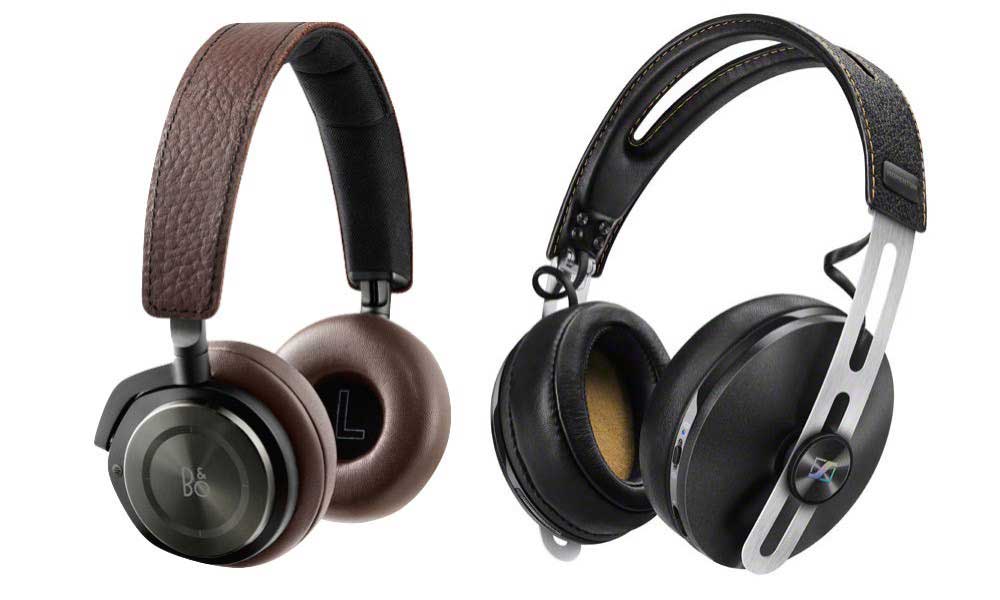
- Over-ear headphones (circumaural headphones) enclose the ear and seal out the most background noise.
- On-ear headphones (supra-aural headphones) rest pads against the ear and fold smaller.
- Wired earbuds and in-ear monitors sit at the ear canal and cost least to replace.
- True wireless earbuds drop the cable and refill from a charging case.
Commuters, gamers, remote workers, and studio engineers want different things from the same $200. A noisy train demands active noise cancellation. An engineer needs flat response and a detachable cable, which is why studio headphones like the Sony MDR-7506 stay in production for decades.
Do not write off the cable. A wire means nothing to charge and nothing to pair, so wired headphones skip the battery problem. At a desk, the convenience of wireless matters less than sound quality per dollar.
Features Worth Paying For, and Specs You Can Skip
Rank them in this order: fit, then noise handling, then codec support. Comfort decides whether a pair gets worn or drawered.
Fit and clamping force. Heavy ear cups fatigue the neck, and pads that rest on the ear press directly on cartilage. Earbud fit depends on tip size; most boxes ship three or four silicone options, and some add memory foam tips.
Active noise canceling. Microphones sample ambient sound and the chipset generates an inverse waveform that cancels steady low-frequency noise: jet engines, HVAC hum, train rumble. ANC handles drone well and voices poorly.
Codec support. Look for aptX, aptX Adaptive, LDAC, or AAC. SBC-only Bluetooth headphones sound noticeably worse. Multipoint pairing, which holds a phone and a laptop at once, is the feature people miss most after switching brands.
Driver design. Every pair uses miniature loudspeakers called drivers. Dynamic drivers dominate; planar magnetic and balanced armature designs show up in audiophile gear. Tuning matters more than diameter.
Battery, microphone, and controls. A wireless headphone runs on a lithium-ion electric battery, and runtime claims vary enormously, so read the current spec sheet. Check independent mic tests for call quality, and remember that touch control panels misfire in the rain.
What to skip. Hi-res certification and lossless codecs mean little for casual phone streaming.
The short version:
- Name where you listen most: train, office, gym, or desk.
- Pick the form factor that suits it, then ignore the rest.
- Set a spending tier from the price table further down.
- Buy where the return window is longest, then wear the pair a full week.
Return Windows Decide Where to Buy Headphones
The return window matters more than a small price gap, because no review can judge how a pair fits your head. We tell readers to buy from whichever store gives the longest window, then use your headphones through a full week of commutes and calls before deciding.
| Retailer | Standard return window |
|---|---|
| Best Buy | 15 days; 60 days for My Best Buy Plus and Total members |
| Amazon | 30 days, most items sold by Amazon |
| Walmart | 30 days, electronics |
| Target | 30 days, electronics; shorter for Apple products |
| Crutchfield | 60 days |
| Apple | 14 days from receipt, opened items in original condition |
When we rechecked Best Buy’s and Apple’s return pages in October 2026, Best Buy’s 60-day member window did not cover Marketplace purchases, and Apple’s 14 days ran from the date you receive the product, not the order date. Marketplace sellers set their own terms; see our roundup of stores with the best return policy.
Buying Online: Amazon, Specialists, Direct, and Refurbished
Amazon has the deepest catalog, the audio specialists stock the gear it buries, and buying direct is safest on heavily counterfeited models.
Amazon
Amazon, the largest online retailer in the United States, lists nearly every brand with verified buyer reviews, and Prime shipping usually arrives in one to two days. Browse the category page, then filter to listings sold and shipped by Amazon before buying anything premium. Sony’s WH-1000XM series and Apple’s AirPods are among the most widely cloned audio products, and fakes cluster on third-party listings priced well below everyone else.
Audio Specialists: Crutchfield, B&H Photo, and Sweetwater
These stores, plus Headphones.com, carry the deep catalog mass retailers skip: Focal, HiFiMan, Audeze, the Sennheiser HD 600 series, Beyerdynamic, and Shure in-ear monitors. Crutchfield pairs its home audio catalog with lifetime tech support and a 60-day return policy. B&H Photo leans pro audio, Sweetwater Sound assigns a sales engineer to every order, and Headphones.com publishes measurement data most retailers never show.
Manufacturer Direct
Ordering direct from Sony, Bose Corporation, or Sennheiser, the German audio company behind the HD 600 and Momentum lines, adds exclusive colorways and the full factory warranty. Direct orders also guarantee an authentic unit.
Refurbished: eBay, Amazon Renewed, and Woot
Certified refurbished is the smartest way to buy last year’s flagship. eBay, Amazon Renewed, and Woot all list it, though warranty terms and grading vary by seller. Read the grade and return terms before checkout.
Stores Where You Can Listen First
Five national chains cover in-person shopping, and only two reliably let you listen before you pay.
Best Buy
Best Buy runs the largest in-store selection of headphones of any national chain, with working listening stations for Sony, Bose, Sennheiser, Apple Inc. models, and Beats. Comparing two flagship pairs with your own music beats any spec sheet.
Walmart
Walmart concentrates on the $15 to $80 range where most shoppers land, with steady stock of JBL, Skullcandy, Beats, and Sony’s mid-range lines. Shelves favor high-volume SKUs, so order online for a specific XM variant.
Target
Target carries a curated lineup weighted toward Apple AirPods, Beats, Sony, and Sennheiser. Same-day delivery through Shipt and in-store pickup make it the last-minute option, but its electronics window is far shorter than the 90 days Target allows on most other items.
Costco
Costco stocks rotating flagship models at warehouse pricing, usually a Bose QuietComfort or Sony WH-series pair. Selection changes weekly, and membership is required.
Apple Store
For AirPods, AirPods Pro 3, AirPods Max 2, and the Beats range, the Apple Store adds free engraving, AppleCare+ coverage, and staff who will help you set them up. If you already work on a Mac, our guide to buying Apple computers covers the same store options.
How Much to Spend, and When to Buy
Three price bands cover nearly everything worth owning; treat them as ranges, not quotes.
| Tier | Price | What changes here |
|---|---|---|
| Budget | $20 to $60 | Wired earbuds, simple pairs, entry studio models |
| Mid-range | $80 to $200 | Effective ANC, multipoint pairing, usable call mics, gaming headsets |
| Premium | $250 to $450 | Flagship noise reduction, LDAC or aptX Adaptive, metal hinges |
Above roughly $450 you cross into audiophile territory, where wired over-ear headphones often need a separate DAC and amplifier before the difference is audible.
Where paying more is not worth it: the gym. Sweat and locker-room abuse end earbuds early, so a $70 set with a secure fit outlives a $250 set you baby.
Timing matters too. Flagship prices soften once a model has been on shelves a while and again when a successor arrives, so full MSRP at launch is rarely necessary. Prime Day and Black Friday are the predictable dips.
Best Headphones by Use: Commute, Earbuds, Budget, Gaming, Gym
These five picks cover the categories most shoppers buy, chosen on published specs, buyer review consensus on Amazon, and price against the tiers above.
Best for commuting: Sony WH-1000XM6. The WH-1000XM6 headphones top Sony’s XM line, with LDAC and multipoint pairing. A discounted WH-1000XM5 is still a sensible buy. Roughly $350 to $450 new. The main rival among noise canceling headphones is the Bose QuietComfort Ultra Headphones (2nd Gen), which add a wired mode with lossless audio over USB-C. Check current Amazon pricing
Best true wireless earbuds: Apple AirPods Pro 3. The current Pro model runs on Apple’s H2 chip and adds heart rate sensing plus Live Translation in select languages. Apple users get the most from these; Android owners lose features. Buying the previous AirPods Pro 2 instead? Check the generation and seller. See it on Amazon
Best budget wired: Audio-Technica ATH-M20x. Closed-back headphones with neutral tuning that punches above the price, plus a cord that never needs charging. Around $50 to $70. Check the listing on Amazon
Best gaming headset: SteelSeries Arctis Nova 7. Simultaneous 2.4GHz wireless and Bluetooth, a retractable ClearCast Gen 2 mic, and support for PC, PlayStation, Xbox, and Switch. Handy if you also shop for video games and consoles or a gaming computer. Around $150 to $200. See it on Amazon
Best for workouts: Beats Fit Pro. A wing-tip design that stays put, active noise cancellation, sweat resistance, and Apple H1 integration with a proper Android app. Around $130 to $200. Check price on Amazon
Also worth a look: Apple AirPods Max 2 for Apple users who want over-ear cups (H2 chip, USB-C wired listening), Beats Solo 4 for a lighter clamp, Beats Studio Pro for a full-size noise-cancelling option, Beats Powerbeats Pro 2 for running, and the Bose Ultra Open Earbuds if you want awareness instead of isolation. For an older relative who struggles with TV dialogue, a dedicated TV Ears headset usually serves them better than a music pair.
Start shopping for headphones by naming the environment and the form factor, then set a tier, and only then pick the store: whichever retailer above gives you the longest window to change your mind. Like shopping for other everyday accessories or vinyl records, the right pair fits your routine, not the longest spec sheet. Building a desk setup? Our wider consumer electronics guide covers the rest.
Frequently Asked Questions
What is the 60 rule for headphones?
The 60/60 rule means listening at no more than 60% of maximum volume for no longer than 60 minutes at a stretch. It is a rule of thumb, not an official limit. The World Health Organization’s safe listening guidance builds on the WHO-ITU standard, which uses an adult reference of 80 decibels for up to 40 hours a week. Strong noise reduction improves the listening experience here, because you are not burying engine drone under volume.
What is the difference between headphones and earbuds?
The difference is where the driver sits. A headband holds cups on or around the ear, while an earbud sits in the ear canal with no band. Over-ear designs isolate better and last more years; buds win on portability. Retail filters lump both together anyway, so search both words.
Are expensive models worth the money?
Above roughly $150 the gains are real: better drivers, wider soundstage, metal hinges, replaceable pads. Above about $500 the curve flattens unless you run a dedicated DAC and amplifier. Replaceable earpads matter more than price, because worn pads cost you the seal that ANC depends on.
Is noise canceling the same as noise isolating?
No. Noise isolating blocks sound passively with a physical seal. Active noise control uses microphones and a processor to generate inverse sound waves that cancel steady low-frequency noise. Isolation handles voices better, ANC handles engines better, and an airline cabin is where the gap shows most.
Why are people switching back to wired sets?
Two reasons: no charging, and more sound quality per dollar. Every rechargeable cell loses capacity with each cycle, and most wireless models have no user-replaceable battery. The best wired headphones at $60 compete with wireless sets at twice the price, and Sennheiser, Beyerdynamic, and Audio-Technica all sell replacement pads and cables.
In October 2026 we rechecked the current Sony, Apple, and Bose lineups and the Best Buy and Apple return policies for this guide.