
The best place to buy furniture depends on the piece, not the store. Test a sofa, recliner, or mattress in a showroom; order dressers, bookcases, and a home office desk online, where selection is deepest; and hunt secondhand for solid-wood tables that outlast anything new at the same budget. Big-box chains, warehouse clubs, direct-to-consumer brands, and resale sites each win one of those jobs. Below is where to shop for each and what the return windows really say.
This page contains affiliate links. We may earn a commission at no extra cost to you.
What Counts as Furnishings, and When to Buy New
Furniture is the movable equipment that makes a room usable: seating, sleeping, storage, and work surfaces. The category splits into two halves that shop differently. Upholstered goods (a couch, sectionals, a recliner, a mattress) get judged on comfort and frame quality. Case goods (a dresser, bookcases, nightstands, a media console) get judged on joinery and finish.
Buy new when you need a warranty, an exact size, or anything you sleep on. Buy used for solid hardwood case goods, because a 1960s dresser outlives a new particle-board one. Renters, owners replacing a worn living room set, and anyone building a home office shop the same stores in a different order. Interior design taste matters less than fit. For work setups, our office furniture guide narrows the field faster.
Construction Details Worth Paying For in a Sofa, Bed, or Table
Four details separate a piece that lasts fifteen years from one that wobbles in eighteen months. Check all four before you compare price tags.
Frame construction. Kiln-dried hardwood with corner-blocked, glued, doweled joints lasts longest. Particle board crumbles around fasteners after two moves, so avoid it anywhere weight lands. “Engineered hardwood” means layered plywood, which is fine in a frame but not the same as solid wood.
Cushion and upholstery. High-resiliency foam, rated at 1.8 pound density or higher, holds its shape far longer than standard foam, and memory foam toppers trade bounce for contour. Crypton and Sunbrella performance fabrics shrug off stains and pet claws. Top-grain leather ages well; bonded leather often peels.
Assembly and delivery. Flat-pack saves on freight but adds an hour or two per item. Preassembled pieces arrive ready to use and may not clear a tight stairwell. White-glove delivery service costs extra, so get the fee in writing before you compare quotes.
Warranty and return window. Structural frame and spring coverage should run five years or more at mid-tier. Read the exclusions, compare terms in our roundup of stores with the best return policy, and decide separately whether an extended warranty is worth it.
| Tier | Frame and materials | Where it usually sells |
|---|---|---|
| Budget | Softwood or engineered panels, standard foam | IKEA, Walmart, Amazon, discount furniture outlets |
| Mid-range | Hardwood frame, high-resiliency foam, performance fabric | Costco, Article, Ashley, regional chains |
| Premium | Kiln-dried hardwood, hand-tied springs, top-grain leather | Ethan Allen, RH, Pottery Barn, custom workrooms |
Return Windows and Shipping Terms We Checked
Return policies differ more than prices do, and they decide how much a wrong guess costs you. When we checked the published policies in October 2026, the spread was wide:
| Retailer | Published return terms | Catch |
|---|---|---|
| IKEA (US) | 365 days unopened, 180 days opened, with proof of purchase | You haul it back or pay for pickup |
| Article | 30 days from delivery, piece in as-new condition | Refund drops by outbound and return shipping fees |
| Costco | Satisfaction guarantee on merchandise, limited exceptions | Electronics and appliances carry shorter windows |
| RH | Members Program: 200 dollars a year for 25% off full-price items, 20% off sale | Pays off only on a large purchase |
The IKEA return policy is the most forgiving of the group. Article’s returns page is honest about the shipping deduction, so a sofa you send back still costs you freight both ways.
Buying Furniture in Store: Chains, Clubs, and Showrooms
Showrooms let you test cushion firmness, pull a drawer, and judge fabric color in daylight, which is why seating is worth buying in person.
IKEA
IKEA is the default affordable stop for a first apartment. Flat-packed Scandinavian designs need assembly, and the store also covers rugs, lighting, and home accents in one trip. Shipping on bulky orders climbs fast, so a rented cargo van often costs less.
Ashley HomeStore and Rooms To Go
Ashley HomeStore, the retail arm of Ashley Furniture Industries, counts more than 1,000 locations worldwide and is the easiest chain to reach. Financing options are a core part of its offer, so price the item before you price the payment. Web prices sometimes differ from the floor tag. Rooms To Go sells coordinated packages priced below the same pieces bought separately, which suits a whole-room setup but makes mixing harder.
Costco, Walmart, Target, and HomeGoods
Costco members do well on sofas, dining room sets, mattresses, patio sets, outdoor fire pits, and the occasional hardwood bedroom suite, and its satisfaction guarantee removes most of the risk. Walmart stocks smaller items like computer desks, TV stands, and coffee tables, mostly entry-price flat-pack. Target edges ahead on build quality through Threshold, the house label it said in 2026 it would refocus its home business around. HomeGoods and its sibling T.J. Maxx carry a rotating, one-off selection of accent chairs, wall art, and small tables.
Regional Chains and High-End Showrooms
A regional furniture store often beats the national brands on price and service. Mor Furniture for Less runs showrooms in seven Western states, from California and Washington to Arizona and New Mexico, so check their store locator. Havertys operates in 17 states, centered on the South, and has announced a Pittsburgh store, its first in Pennsylvania. Levin Furniture and Mattress serves Pennsylvania and Ohio. At the top of the range, Ethan Allen and Crate and Barrel build solid hardwood pieces and include design services worth using on one anchor purchase. Ask about floor-model clearance, where showrooms discount hardest.
Where to Buy Furniture Online
Online is where selection and price live, especially for case goods where dimensions matter more than feel. The tradeoff: you cannot sit on a couch before it reaches your living room.
Amazon and Wayfair
Amazon spans starter bookcases through mid-range sectionals. Filter by room type and read reviews closely, since the gap between house brands is enormous. Prime shipping and the standard 30-day return window cover most mistakes, though third-party sellers can set their own terms. Wayfair built its business online and only recently added physical stores, starting with a large-format store in Wilmette, Illinois, in May 2024, with Atlanta and Denver announced since. Shop by room, style, and price point, then check the Open Box section for returned stock at a discount. Wayfair Professional offers trade pricing to designers and landlords.
Article, Burrow, and Floyd
Direct-to-consumer brands skip the showroom markup and ship solid-framed pieces at mid-tier prices. Article leans mid-century and timeless. Burrow ships modular sofas in compact boxes that, by the brand’s own description, assemble in about ten minutes without tools. Floyd builds modular beds and seating and sells replacement parts, which keeps an older piece alive; in 2026 it said it added an upholstered add-on for its original bed system.
West Elm, CB2, Pottery Barn, and RH
CB2 is the design-forward sibling to Crate and Barrel, minimalist and priced above IKEA but below luxury. West Elm covers similar ground in warmer tones, and Pottery Barn anchors the traditional end of the same parent company. Restoration Hardware sits at the luxury tier, and its members program (terms in the table above) pays for itself on a single sofa. RH pieces run oversized, so measure doorways first.
eBay, AptDeco, and Facebook Marketplace
eBay works for secondhand and discounted new stock. AptDeco handles pre-owned designer pieces, with its own delivery in the Northeast and partner white-glove delivery elsewhere. Facebook Marketplace and Craigslist cover the free-pickup end, and estate sales remain the best source for hardwood antiques.
Financing, Promotional Sales, and Savings
Most big chains push store credit cards and 0% promotional plans at checkout. Many are deferred-interest offers: if any balance remains when the promo ends, interest at the card’s full annual percentage rate (APR) is charged back to the purchase date. Pay it off a month early or skip it.
Sale timing follows the trade calendar. The fall 2026 High Point Market, the North Carolina trade show where makers launch new collections, runs October 17 to 21, so expect clearance on outgoing styles in the weeks after.
Where Purchases Go Wrong
The costliest mistake is furnishing an entire room from one place because it is convenient.
Buying a matched set. One brand caps you at one quality ceiling, and the result reads like a catalog page. Mixing sources buys more value per dollar.
Skipping the tape measure. Doorway width, stairwell turns, and ceiling clearance decide whether a piece enters the room at all. Oversized sofas and sleigh beds top return lists.
Ignoring total landed cost. Add freight, assembly, and haul-away fees to the sticker before comparing two stores. A cheaper tag with paid freight often loses to a pricier one that ships free.
Customer reviews point the same way. On Trustpilot, the loudest Ashley complaints target delivery (missed appointments, damaged arrivals), Wayfair reviewers praise prices but flag wrong items and opened boxes, and IKEA owners report sagging cushions, lifting laminate, and cracked bed slats. Most furniture failures happen between the warehouse and your door, not on the showroom floor.
Picks by Room: Living Room, Bedroom, Dining, and Desk
These five picks were chosen on frame material, coverage terms, and review consensus, one per tier and room. Prices move weekly, so check the live listing.
Best budget desk chair: Amazon Basics Mid-Back Mesh Chair. Mesh back, adjustable height, and a 275-pound weight rating. Fine for a spare workstation or a part-time home office; step up through our office chairs guide if you sit all day. Check price on Amazon
Best budget living room: Better Homes and Gardens Wyatt Velvet Sofa. A 78-inch velvet sofa sold at Walmart and a sensible first-apartment couch for a small space. See it on Amazon
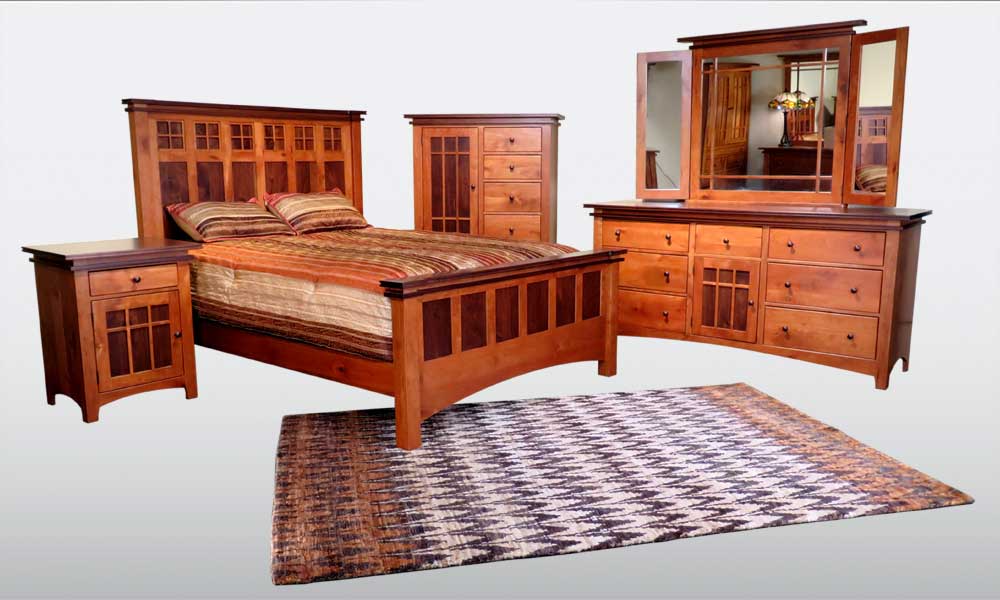
Best mid-range bedroom: Article Sven Tufted Bed. A kiln-dried pine and rubberwood frame under a tufted upholstered headboard, in fabric, velvet, or leather. Stock comes and goes by size. Compare on Amazon
Best mid-range dining: Crate and Barrel Basque Extendable Table. Solid mango wood, two leaves, and an 82 to 118 inch span that seats eight and stretches to ten. It is a Crate and Barrel exclusive. Browse similar on Amazon
Best premium investment: Pottery Barn Comfort Roll-Arm Sofa. A kiln-dried engineered hardwood frame with mortise-and-tenon joinery, plus a slipcovered version. Check options on Amazon
Start your furniture search with a tape measure: shortlist one showroom for seating and one online store for case goods, and check our Sleep Number bed guide if you want an adjustable mattress. Three steps get the right furniture through your door without a return:
- Measure the space, then every doorway and stairwell the piece must pass, and subtract an inch.
- Test the seating in a showroom, then price the nearest model online with freight and assembly included.
- Order the small things in parallel, because moving boxes, curtains, and a lap desk finish a room faster than a second delivery window.
Questions Shoppers Ask
When is the best time of year to buy a sofa or dining set?
Presidents’ Day weekend, Memorial Day, Labor Day, and Black Friday are the four deepest sale windows. The driver is inventory timing: makers launch new collections at the High Point Market in April and October, so retailers clear outgoing styles in the months that follow.
Who has the best furniture for the money?
Costco and the direct-to-consumer brands give the most construction quality per dollar, because neither carries a showroom markup. IKEA wins on absolute price. Regional chains frequently beat national ones on an identical item once delivery is counted, so make one phone call first.
What is the 2/3 rule for furniture?
The two-thirds rule is a proportion guide interior designers use for scale: a sofa should span roughly two-thirds the length of the wall behind it, and a coffee table should span about two-thirds the length of that sofa. The same ratio works for a rug under a dining table and for artwork above a headboard. It is a starting point, not a law.
Are used dressers and tables worth buying?
Yes for solid-wood case goods: dressers, bookcases, dining tables. A hardwood antique from Facebook Marketplace, AptDeco, or an estate sale often costs less than a new particle-board equivalent and outlasts it by decades. Skip used upholstery without a cleaning history, since bedbugs hide in foam.
Editorial review: wheretobuyguides.com team. Retailer policies last checked October 2026.