
Finding the right dark chocolate can feel overwhelming when you are staring down a wall of candy bars at the grocery store. Whether you want a rich 70% cacao bar for an after-dinner treat or a box of truffles for a special occasion, knowing where to buy matters just as much as knowing what to look for. The wrong purchase can leave you with a waxy, flavorless bar that barely qualifies as chocolate. This guide covers what makes a quality product, which retailers carry the best selection, and how to avoid common buying mistakes so every bite is worth it.
This page contains affiliate links. We may earn a commission at no extra cost to you.
What Is Dark Chocolate and Who Needs It
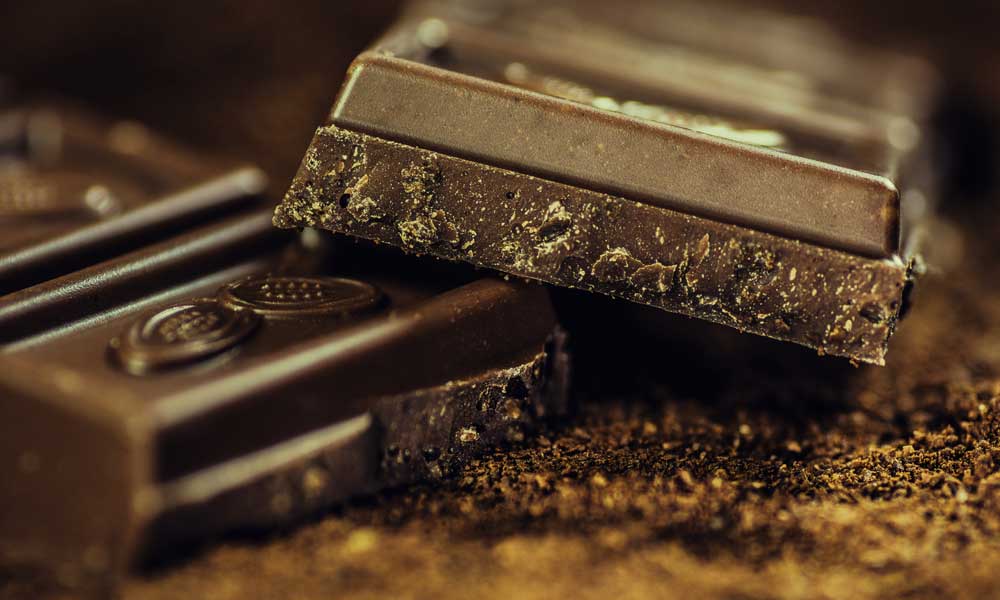
Dark chocolate is made from cocoa solids, cocoa butter, and sugar, with little or no milk added. The higher the cocoa percentage, the more intense and less sweet the flavor becomes. Most products labeled as such contain at least 50 percent cocoa solids, though connoisseurs often prefer bars in the 70 to 85 percent range for a deeper, more complex taste.
This type appeals to a wide audience. Health-conscious snackers appreciate its lower amounts of sugar compared to milk chocolate. Home bakers use it in ganache, brownies, and fondue. Gift shoppers look for premium boxes from well-known chocolatiers. Anyone who enjoys a rich, bittersweet flavor with subtle fruit or nutty notes will find something to love in this category.
What to Look For: Features and Buying Criteria
Cocoa percentage. This is the single most important number on the label. A bar with 55 percent cocoa tastes noticeably sweeter and milder than one at 72 percent. For everyday snacking, 60 to 70 percent is a good starting point. For baking or a more intense palate experience, look for 70 percent and above.
Ingredient quality. The best bars list cocoa beans or cacao, cocoa butter, and sugar as the first three ingredients. Avoid products that substitute vegetable oil for cocoa butter or list artificial flavoring. Bean-to-bar makers often source single-origin cacao from regions like Ecuador or Ghana, resulting in more distinctive flavor profiles.
Flavor additions. Sea salt, caramel, almonds, and dried fruit are common pairings. A sea salt caramel variety can balance bitterness nicely, while a plain bar lets the cocoa flavors stand on their own. Consider what you plan to use it for before choosing a flavored option.
Certifications. Fair Trade and organic certifications indicate ethical sourcing and fewer pesticide residues. These labels do not guarantee better taste, but they reflect higher standards in the supply chain. Organic cacao farming is increasingly common among gourmet brands.
Packaging and freshness. Individually wrapped squares and bars in foil stay fresh longer than loosely packaged products. Check the best-by date, especially when buying from discount retailers. A white film on the surface, called bloom, is harmless but signals the product was stored improperly.
Price tier. Grocery-store bars from mainstream brands run about two to four dollars. Mid-range options from Lindt or Ghirardelli fall in the five to ten dollar range. Premium bean-to-bar or Belgian imports can cost twelve dollars or more per bar. Higher price does not always equal better flavor, so sampling across tiers is the best way to find your preference.
What to Avoid When Buying Dark Chocolate
Confusing cocoa percentage with quality. A 90 percent bar is not automatically better than a 70 percent one. Extremely high percentages can taste harsh and chalky if the beans were low quality to begin with. Focus on the source and ingredient list, not just the number.
Ignoring the ingredient order. Some budget bars list sugar first, meaning sugar outweighs cocoa in the recipe. Others use palm oil or hydrogenated fats in place of cocoa butter. These substitutions create a greasy mouthfeel and flat flavor that no percentage label can fix.
Buying based on brand name alone. Well-known brands market aggressively, but smaller chocolatiers and bean-to-bar makers often produce superior products at comparable prices. Check the label before assuming a famous name guarantees a great bar.
Overlooking heavy metals concerns. Independent testing has found elevated levels of lead and cadmium in some products. Consumer Reports and other watchdog groups publish test results periodically. If this matters to you, look for brands that voluntarily test and disclose their levels.
Where to Buy Dark Chocolate In Store
Godiva
Godiva is a go-to chocolatier for premium gift boxes, truffles, and individually wrapped squares. Their retail stores, found in many shopping malls, stock an extensive lineup including classic bars and seasonal collections. Staff can help you build a custom gift box if you are shopping for someone else. Browse their selection online as well.
Lindt
Lindt operates its own company stores and also distributes widely through grocery chains, Walgreens, and Target. Their Excellence line covers everything from a smooth 70 percent bar to an extra dark 90 percent option. Lindt stores carry exclusive flavors and seasonal items you will not find elsewhere. Use the store locator on their site to find a location near you.
Target
The candy aisle at Target stocks a surprisingly wide range, from budget-friendly store-brand bars to Ghirardelli squares, Lindt truffles, and organic options from Alter Eco. Prices tend to be competitive, and the grocery section often runs buy-one-get-one promotions on candy. Check the baking aisle too for chips and baking bars.
Walgreens and CVS
Drugstores like Walgreens and CVS carry a smaller but convenient selection. Expect mainstream brands like Lindt, Ghirardelli, and Dove in the candy aisle near the registers. These stores are handy for a last-minute purchase, though the variety will not match a dedicated retailer like Target.
Gas Stations and Convenience Stores
Chains like Speedway and KwikTrip stock a handful of candy bars that may include an option or two in the darker range from brands like Hershey’s Special Dark or Dove. This is a last-resort purchase when you need a quick fix on the road. Selection is limited and prices per ounce tend to be higher than what you would pay at a grocery store, but it beats going without when a craving hits on a long drive.
Tip: Call ahead to check stock if you are looking for a specific brand or cocoa percentage. Smaller locations may carry only one or two options.
Where to Buy Dark Chocolate Online
Amazon
Amazon #ad offers one of the largest selections available anywhere. You can filter by brand, cocoa percentage, dietary preference, and customer rating. Bulk packs and variety assortments are easy to find, and Subscribe and Save discounts bring the per-bar cost down on products you reorder regularly. Read recent reviews before ordering, especially for shipments in warm weather, since heat can damage bars during transit.
Worldwide Chocolate
Worldwide Chocolate is a specialty retailer stocking over 1,300 items from producers around the globe. You can browse by country of origin, brand, or type, which is useful if you are hunting for a specific Belgian, Swiss, or Ecuadorian bar. Prices reflect the gourmet focus, but the depth of selection is hard to match elsewhere.
Brand Direct Stores
Many producers sell directly from their own websites. Lindt, Ghirardelli, and Alter Eco all run online shops with full product lines, exclusive flavors, and subscription options. Ordering direct guarantees freshness and sometimes includes free shipping above a minimum order value.
For more general options, see our companion guide on where to buy chocolate of all types.
Top Picks
Best overall: Lindt Excellence 70% Cocoa Bar. Smooth, well-balanced, and widely available at grocery stores and online. This bar consistently earns high marks from reviewers for its melt-in-your-mouth texture and clean cocoa flavor. Around three to five dollars per bar.
Best budget: Trader Joe’s Pound Plus 72% Bar. A massive 17.6-ounce bar for under five dollars. The flavor holds its own against bars costing three times as much, making it a favorite among value-conscious buyers.
Best for gifting: Godiva Signature Gift Box. An assortment of truffles, ganaches, and molded pieces in an elegant box. Prices range from about twenty to fifty dollars depending on size. A reliable choice when you need an indulgent, impressive gift.
Best gourmet: Alter Eco Deep Dark Blackout 85%. Organic, Fair Trade certified, and made from Ecuadorian cacao. Rich and intense without tasting bitter. Around four to six dollars per bar at natural grocery stores and online.
Best for baking: Ghirardelli 60% Cacao Baking Chips. These chips melt evenly and deliver a balanced sweetness that works in cookies, brownies, and ganache. Typically five to seven dollars per bag.
Frequently Asked Questions
Is dark chocolate actually healthy?
It contains cocoa flavanols, which research has linked to improved blood flow and cardiovascular health. However, the benefits depend on the cocoa percentage and how much you eat. A square or two of a high-cocoa bar is a reasonable treat, but eating an entire bar adds significant calories and sugar. Moderation is key.
Does dark chocolate contain caffeine?
Yes. A one-ounce serving of 70 percent cacao contains roughly 25 milligrams of caffeine, along with theobromine, a related stimulant. That is about a quarter of what you would get from a cup of coffee. If you are sensitive to caffeine, avoid eating it close to bedtime.
What is the difference between dark and milk chocolate?
The main difference is cocoa content and the addition of milk solids. Milk varieties typically contain 10 to 40 percent cocoa and have added milk powder, giving them a creamier, sweeter taste. The darker version skips the milk and uses a higher cocoa percentage, resulting in a more intense, less sweet flavor.
Should I worry about heavy metals in dark chocolate?
Some studies have detected lead and cadmium in certain products. The amounts vary by brand and source region. Consumer watchdog groups publish periodic test results. If this concerns you, look for brands that conduct third-party testing and publish results, and rotate among different brands to reduce cumulative exposure.
How should I store dark chocolate?
Keep it in a cool, dry place between 60 and 70 degrees Fahrenheit. Avoid the refrigerator, as moisture can cause sugar bloom, that white film on the surface. If you must refrigerate it in hot weather, wrap the bar tightly in foil and then in a zip-top bag to limit moisture exposure.
Reviewed by the wheretobuyguides.com editorial team. Last updated: March 2026.
Whether you grab a bar from your local Target or order a curated selection from a gourmet retailer online, the right dark chocolate is worth taking the time to find. Start with a cocoa percentage that matches your palate, read the ingredient list carefully, and do not be afraid to try a new brand or origin. Once you find a bar you love, every rich, satisfying bite will remind you why this treat has earned such a devoted following.