
Whether you are blending bulletproof coffee, sauteing vegetables, or looking for a natural moisturizer, finding the right coconut oil matters more than most people realize. Not every jar on the shelf is the same, and knowing where to buy coconut oil and what to look for can save you money and frustration. This guide walks you through the best retailers, key buying criteria, and common mistakes so you can shop with confidence.
This page contains affiliate links. We may earn a commission at no extra cost to you.
What Is Coconut Oil and Who Needs It
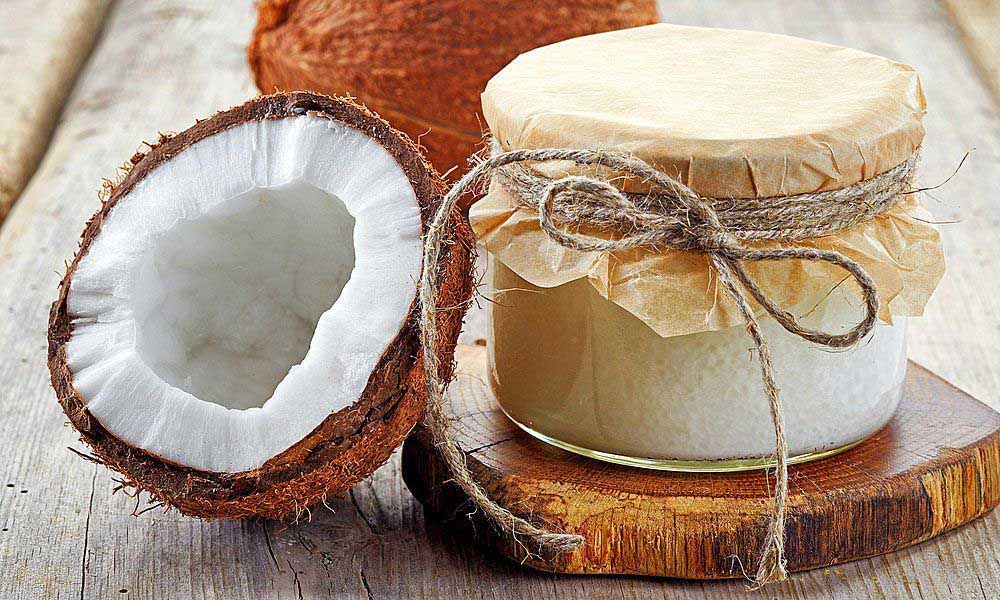
Coconut oil is a plant-based fat extracted from the dried or fresh meat of mature coconuts. It is solid at room temperature and melts quickly when warmed, which makes it versatile in both the kitchen and the medicine cabinet. Home cooks reach for it because of its mild coconut flavor and relatively high smoke point, while skincare enthusiasts value it as a natural moisturizer for dry skin and hair care routines. The oil contains mostly saturated fat, including shorter-chain triglycerides that the body can use immediately for energy. According to Harvard’s T.H. Chan School of Public Health, the primary fatty compound in this product raises both HDL and LDL cholesterol levels, making portion control important. People who follow a ketogenic diet often add it to morning coffee or smoothies for a quick source of healthy fat. If you also cook with fresh coconut products, see our guide on where to buy coconuts. Anyone who cooks regularly, uses oil pulling for dental hygiene, or wants a chemical-free body care staple will find a jar worth keeping on hand.
What to Look For: Features and Buying Criteria
Virgin versus refined. Virgin coconut oil is cold-pressed from fresh coconut meat and retains a light tropical scent along with more of the natural antioxidants. Refined versions go through additional processing to remove the fragrance and taste, which makes them better for high-heat cooking and baking when you do not want a tropical flavor in the dish.
Organic certification. A USDA certified organic label means the coconuts were grown without synthetic pesticides or fertilizers. If organic sourcing matters to you, look for the seal on the front label rather than relying on marketing claims alone.
Extraction method. Mechanical extraction preserves more nutrients than methods that use heat or chemical solvents like hexane. Expeller-pressed is a step down but still avoids chemical processing. Check the label for the specific method.
Smoke point. Refined varieties typically handle temperatures up to around 400 degrees Fahrenheit, making them suitable for pan-frying and sauteing. Less processed versions have a lower threshold near 350 degrees, best for light cooking and baking.
Jar size and packaging. This product keeps well in a sealed glass jar for up to two years. Buying a larger container, such as a 54-ounce tub, usually brings the per-ounce cost down significantly if you use it for both cooking and personal care.
MCT content. Some labels highlight the medium-chain triglyceride percentage. Standard jars contain roughly 50 to 65 percent of these beneficial fats, while fractionated versions are concentrated but lack lauric acid and remain liquid at room temperature.
What to Avoid When Buying Coconut Oil
Hydrogenated or partially hydrogenated labels. Any product that has been hydrogenated contains trans fat, which is linked to a higher risk of heart disease. Always read the ingredient list and skip anything labeled partially hydrogenated.
Misleading purity claims. The word pure on a label has no regulated definition for this product category. A jar labeled pure may still be heavily refined or blended with palm oil. Look for specific details like cold-pressed, virgin, or organic instead of vague marketing language.
Plastic containers for long-term storage. Heat and light degrade the beneficial compounds faster when stored in clear plastic. Glass jars or opaque containers keep the product fresher for longer periods.
Buying based on price alone. The cheapest options are often refined with chemical solvents and may contain fewer beneficial compounds. A mid-range organic virgin jar from a reputable brand typically offers the best balance of quality and value.
Where to Buy Coconut Oil In Store
Grocery Stores
Most major grocery chains now stock several varieties in the cooking oil aisle alongside olive, canola, and vegetable options. If you do not see it there, check the ethnic food section under Latin or Asian products, where it has been a staple cooking ingredient for decades. Stores like Kroger, Publix, Safeway, and Whole Foods typically carry at least one organic virgin option alongside refined versions. Natural food co-ops and health food stores tend to have a wider selection including mechanically pressed and minimally processed options from smaller brands. Call ahead if you need a specific brand or a large container, since shelf space varies by location.
Walmart
Walmart dedicates a full section to this product in the cooking oil aisle and often stocks both store-brand and name-brand options including organic extra virgin, refined, and minimally processed varieties. What stands out here is the availability of larger sizes that bring the per-ounce cost down, which is helpful if you use it daily for cooking and adding to coffee. Browse their selection online to check local stock before you visit.
Target
Target carries several reputable brands in the grocery section and also stocks skincare products, lotions, and hair care items made with this ingredient in the beauty aisle. This makes it a convenient one-stop shop if you want both a cooking jar and a personal care product. Prices tend to sit slightly above Walmart but the brand selection leans toward organic and specialty options. Check availability on their site for store pickup.
Call ahead to check stock at any physical location, especially if you are looking for a specific size or brand that may not be on every shelf.
Where to Buy Coconut Oil Online
Amazon
Amazon offers the widest selection you will find anywhere, from raw virgin and organic varieties to fractionated carrier oil versions used for massage and aromatherapy. Brands like Viva Naturals Organic, Nutiva, and Garden of Life are consistently among the top-rated options. Subscribe-and-save discounts can drop the price below what you would pay in a physical store, and customer reviews make it easy to compare quality across dozens of products. Shop their full category #ad to compare prices.
eBay
eBay is a solid option for finding bulk quantities or discontinued sizes at auction-style pricing. You can often pick up sealed jars below retail cost, especially in multi-pack listings. Both virgin and refined varieties appear regularly, along with fractionated versions for massage and aromatherapy use. Check seller ratings carefully and confirm expiration dates before purchasing, since some listings move older stock. Browse current listings to see what is available.
Etsy
Etsy is not the best place to buy plain cooking-grade jars, but it excels for handcrafted products made with this ingredient. Small-batch soaps, balms, aromatic body rubs, and hair oil blends are all widely available from independent sellers. If you want something unique or artisanal that uses the natural properties of the product, Etsy is worth a look. Explore their marketplace for specialty items.
Top Picks
Best overall: Viva Naturals Organic Extra Virgin. Cold-pressed from fresh coconut meat with a clean, mild scent and no chemical processing. USDA certified organic and minimally processed. Thousands of positive reviews on Amazon cite the smooth texture and consistent quality. Around $10 to $15 for a 16-ounce jar, with larger sizes available at a lower per-ounce cost.
Best budget: Nutiva Organic Virgin. A well-known brand that consistently earns high ratings for quality at a reasonable price. Expect to pay around $8 to $12 for a 15-ounce jar. Good for everyday cooking and baking.
Best for high-heat cooking: Carrington Farms Liquid. A fractionated option that stays liquid at room temperature and has a neutral taste, making it easy to measure and pour. Ideal for sauteing and salad dressings. Around $8 to $14 for 12 ounces.
Best for skin and hair: Garden of Life Raw Extra Virgin. Minimally processed with no added chemicals or bleaching agents. The natural composition makes it effective as a moisturizer for dry, frizzy hair and as a carrier oil for essential blends. Also popular for oil pulling and general body care. Approximately $10 to $16 for a 14-ounce jar.
Frequently Asked Questions
Should coconut oil be refined or unrefined?
It depends on how you plan to use it. Unrefined, or virgin, varieties retain more of the natural flavor and beneficial compounds, making them a better choice for low-heat cooking, smoothies, and body care. Refined versions handle higher temperatures and have a neutral taste, so they work better for frying and baking where you do not want a tropical flavor.
Is coconut oil good for your skin?
Many people use it as a natural moisturizer because the lipid profile, particularly its key compounds, can help reduce dryness and may have mild antibacterial properties. However, it can clog pores for some skin types, so test a small area first if you are prone to breakouts.
Does coconut oil go bad?
Yes, though it has a longer shelf life than many cooking fats. An unopened jar stored in a cool, dark place typically lasts about two years. Once opened, use it within six to twelve months. If it develops an off smell or yellow discoloration, discard it.
What is the difference between MCT oil and regular coconut oil?
MCT oil is a concentrated extract that contains only medium-chain triglycerides, primarily caprylic and capric acid. Standard jars contain a broader mix of fatty acids including lauric acid. The concentrated versions stay liquid at room temperature and are popular in ketogenic diets, while the whole product is more versatile for cooking, baking, and personal care.
Where is coconut oil in the grocery store?
Check the cooking oil aisle first, where it usually sits alongside olive, canola, and vegetable varieties. If it is not there, look in the ethnic food section under Latin or Asian products. Health food or natural product aisles sometimes carry organic brands separately.
Is coconut oil healthy?
It provides medium-chain fatty acids that the body metabolizes differently than long-chain fats found in most other cooking fats. Some studies suggest modest benefits for energy and metabolism, but the American Heart Association notes that the high saturated fat content means it should not replace unsaturated options like olive or safflower oil entirely. Using it in moderation as part of a varied diet is the most balanced approach.
Reviewed by the wheretobuyguides.com editorial team. Last updated: March 2026.
Whether you pick up a jar at your local Walmart, order a bulk container from Amazon, or browse specialty blends on Etsy, finding the right coconut oil comes down to knowing what type fits your needs and where to get the best value. Virgin and less-processed versions work well for low-heat cooking and body care, while refined options handle higher temperatures in the kitchen. Take a few minutes to read the label, check the extraction method, and compare prices before you buy.