
Before buying the New York Times, settle one question: do you want today’s paper in your hands, a page from a particular date, or ongoing reading on a phone? Each answer points to a different seller. Single copies come from newsstands, bookstores, and convenience chains; past dates come from the NYT Store, TimesMachine, or the resale market; and daily reading comes from nytimes.com, the app stores, or, very often, a free library pass.
This page contains affiliate links. We may earn a commission at no extra cost to you.
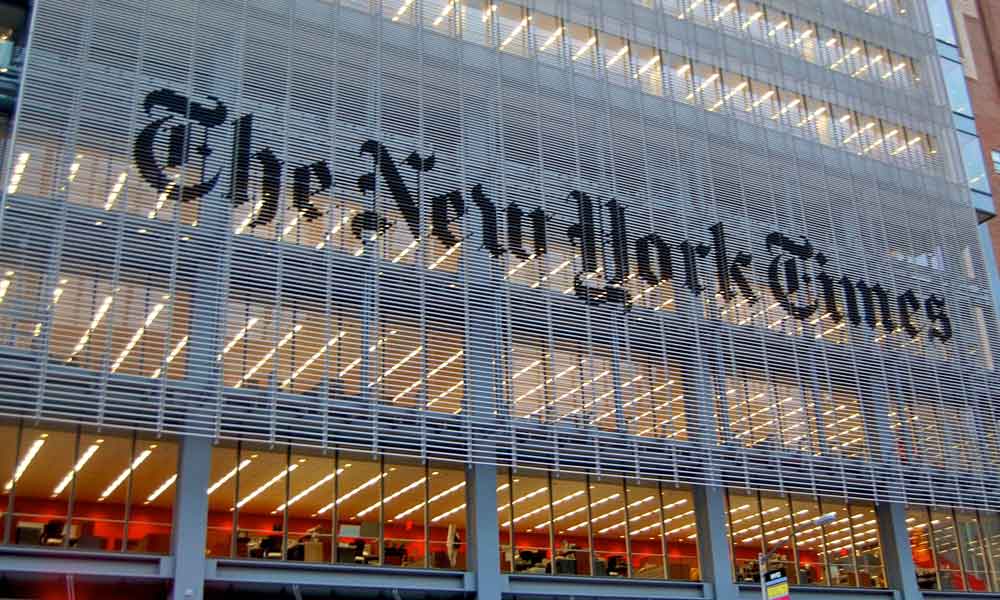
The Times is a daily newspaper founded in 1851 and published in New York City. Adolph Ochs bought it in 1896 and set the mission of reporting “without fear or favor,” and his family, the Ochs-Sulzbergers, still controls the publicly traded New York Times Company. That company now sells the reporting, the puzzles, Cooking, Wirecutter product reviews, and The Athletic’s sports coverage as separate products, which is why buying “the Times” is less simple than it sounds.
Where to Buy a New York Times Print Copy Today
Single copies of the New York Times are sold in more than 34,000 retail outlets, according to the publisher’s help center, but stocking is decided store by store and newsstand distribution has shrunk for years. Call ahead if you need a copy on a specific morning.
Airport, Train Station, and City Newsstands
Travel newsstands, including the Hudson shops found in many US airports and rail stations, are the most dependable place to find the national edition on any given day. In Manhattan and other dense neighborhoods, street-corner kiosks and bodegas still carry it alongside local papers read by New Yorkers.
Bookstores
Barnes and Noble stocks papers at many stores, usually near the magazine racks, next to puzzle collections and bestseller titles. Independent bookshops in metro areas often carry it too, and some will hold the Sunday edition for a regular if you ask at the counter.
Convenience Stores, Gas Stations, and Grocery Stores
Chains such as 7-Eleven, Wawa, Sheetz, Royal Farms, and Turkey Hill are the likeliest everyday source in many areas, especially across the Northeast. Some supermarkets keep a newspaper rack by the front checkout, but that is a per-store choice, so look before you assume. Highway rest stops are the fallback on a road trip.
Pharmacies
CVS and Walgreens locations that still carry papers keep them near the front register or the magazine rack. Coverage varies by store and by day, and Walgreens is closing underperforming branches, so a location that stocked it last year may not now. Rite Aid is not an option anywhere, since the chain closed its remaining stores in 2025.
Starbucks No Longer Sells It
Starbucks stopped selling newspapers, including the Times, The Wall Street Journal, and USA Today, in its US company-operated cafes in September 2019. At the time the chain said licensed cafes inside places like airports and hotels were not affected, so a Starbucks counter in a terminal may still have a rack while the one on your corner will not.
Walmart and Target
Walmart and Target are stronger for puzzle books and bestseller titles in the book aisle than for the daily paper itself. Shopping for a puzzle fan? Start there. The guide to buying books covers the bestseller list in more depth.
Back Issues and Papers From a Specific Date
Three sources cover past issues of the New York Times, and which one fits depends on how old the date is and whether you need paper or just the page.
| Date you need | Best source | What you get |
|---|---|---|
| Within the past 90 days | NYT Store | An actual printed issue, while stock lasts |
| Any date, as a gift | NYT Store reprints | A front page reproduction, framed or unframed |
| 1851 to 2002, to read | TimesMachine | A digital replica of the full edition |
| Older originals | eBay and dealers | Original newsprint, priced by condition |
The NYT Store (Recent Issues and Reprints)
The publisher’s help center says its store sells printed issues from the past 90 days plus a selection of special sections, in limited quantities on a first come, first served basis. Order by the print publication date, which can differ from the date an article appeared online. For older birthdays and anniversaries, the store sells commemorative front page reprints, which are reproductions rather than original newsprint and are what most gift buyers want anyway. Browse the official store for framed and unframed formats.
TimesMachine for Subscribers
TimesMachine is a browser-based digital replica of every New York Times issue from 1851 through 2002, ads and page layouts included. It is limited to Home Delivery, All Access, and News subscribers, who can also download up to 100 article PDFs a month. Articles from 2003 onward live in the regular online archive instead, without page scans.
eBay and Original Newsprint
eBay is where original newsprint from a given date changes hands: moon landing front pages, election mornings, birth dates. Filter by condition and check seller feedback. Historic front pages were often reprinted at the time, so ask the seller to confirm originality in writing.
Home Delivery of the Printed Paper
New York Times home delivery is sold only through the publisher, and availability is decided by ZIP code. Delivery runs through regional distributors, so two towns in one state can get different answers, and some covered areas offer Sunday-only or weekend packages rather than seven-day service.
The Sunday paper is the heaviest edition and carries The New York Times Magazine. The help center says Home Delivery subscriptions come with a complimentary All Access subscription, plus TimesMachine and the Replica Edition, so a print plan can work out as a digital bundle with paper attached. Before you commit, check exactly which delivery days the package covers on the checkout page.
Digital Plans: News, Games, or All Access
Buy the narrowest plan that covers what you actually read. Paying for the widest bundle “just in case” is how people end up funding The Athletic they never open.
News plan. Covers the original reporting, New York Times Opinion and op-eds, breaking news alerts, newsletters, podcasts, and narrated articles. The New York Times app adds live updates, audio journalism, and personalized recommendations; a replica edition reproduces the printed page layout instead, and the two are easy to confuse at checkout.
Games plan. The crossword, Spelling Bee, Letter Boxed, Sudoku, and the archive of past puzzles, without the articles. Wordle itself is free to play; The New York Times acquired Wordle in early 2022. If the daily games are the whole reason you are here, this is the cheaper path. Prefer paper? The guide to buying Sudoku books covers the offline versions, and the board games guide helps word-game households take play off the screen.
All Access. A New York Times All Access subscription bundles the news plan with Games, Cooking, the product-review site, and The Athletic. Confirm the lineup at checkout, since the bundle has been reshuffled more than once.
| What you want | Buy this | Where |
|---|---|---|
| Articles and opinion | Digital news plan | Publisher site or app store |
| Puzzles only | Standalone Games plan | nytimes.com or app store |
| Ink on paper today | Single copy | Newsstand, pharmacy, bookstore |
| A specific dated issue | Reprint or original | Official store, resale sites |
The publisher’s own site is the only place selling every format together: digital plans, gift subscriptions, and print home delivery. Rates are promotion-driven and change often, so no price is listed here; nearly every offer is an introductory rate for a fixed term that steps up to the standard rate automatically.
- Check whether your library card already gives you free digital access.
- Decide whether you want reporting, puzzles, or both, then buy the narrow plan if it is one.
- Enter your ZIP code on the official site if you want the printed paper delivered.
- Read the renewal terms before paying. The introductory rate is not the ongoing rate.
Free Access Through Your Public Library
Many US public libraries pay for group access so cardholders read the New York Times online free. The common setup works two ways. On library Wi-Fi, you register a free account and read without a paywall. Off-site, you redeem an access code with your library card number and PIN, and the pass runs for a set window, often 72 hours (some libraries use 24), after which you redeem it again.
Library access often leaves out some products, such as Games, Cooking, or The Athletic, so check your library’s page for the exact list. Some systems also offer PressReader, which serves a page-for-page replica of the printed edition, or a historical database with full issues back to 1851. Library patrons already reading free should see the guide to buying ebooks for the same approach to books.
Amazon for Puzzle Books and Anthologies
Amazon #ad does not sell the subscription. It is a deep source of print spin-offs: crossword collections, editorial anthologies, and Kindle editions. The guide to buying magazines covers periodical subscription traps worth reading first.
Buying Mistakes That Cost Money
Ignoring the rate step-up. Promotional pricing runs a defined term, then converts to the standard rate automatically. Set a calendar reminder a week out.
Assuming cancellation is one toggle. Cancellation rules sit in the New York Times terms of service and on your account page, and they differ depending on whether you bought through the site or an app store. Read them before you pay.
Buying a dated issue without checking authenticity. Resale listings mix originals, period reprints, and modern reproductions, and the price gap between them is large. Make the seller state which one they are shipping.
Comparing bundles on price alone. Against another national paper such as The Washington Post, or the Financial Times for international news, the real difference is usually the games catalog and Cooking, not reporting volume.
Top Picks by Buyer Type
Best overall: your public library card. Free digital access through a participating system, with no renewal date to watch and no step-up. Not every system participates, and the login path is clunkier. Check your library’s database list first.
Best for daily readers: All Access, direct from the publisher. One login for reporting, Cooking, Wirecutter, The Athletic, and the puzzles. Worth it only if you will use three of the five. See related listings on Amazon
Best for puzzle fans: the standalone Games plan. Crossword, Spelling Bee, Sudoku, and Letter Boxed without paying for reporting you will not read. Browse puzzle books on Amazon
Best gift: a dated front page reprint. A birthday-edition reprint from the official store is the most dependable version of this gift, since clean originals are hard to source. It also beats most items on a white elephant gift list when the swap has a theme. See gift options on Amazon
Start with your library card, because free beats everything and takes two minutes to check. If you want paper, call a newsstand or bookstore before you drive, or use the NYT Store for any date in the last 90 days. If you want to subscribe, decide between reporting and puzzles, buy only that plan, and diary the renewal date. Buying the New York Times is cheap if you pick the right door and expensive if you take the first one offered.
Common Questions About Buying the NYT
Can I read the New York Times free with a library card?
Often, yes. Many US public library systems provide free digital access to cardholders, either on library Wi-Fi or through an off-site access code that typically lasts 24 to 72 hours before you renew it. Games and some other products are often excluded. Look under news in your library’s database list.
Does the cheapest digital plan include the crossword?
No. Games and Cooking are sold separately from the news plan. A Games plan unlocks the puzzles but not the articles, and the article plan does not unlock the puzzles. Only the bundled tier covers both, which is why the standalone option is cheaper for puzzle-only households.
Does Starbucks still sell newspapers?
Not at its US company-operated cafes. Starbucks stopped selling the Times, The Wall Street Journal, and USA Today there in September 2019. Licensed Starbucks counters in airports and hotels were excluded from that change, so a travel location may still have papers.
How do I buy an issue from a specific date?
For dates in the past 90 days, the NYT Store sells printed issues while stock lasts. For older dates, the store sells commemorative front page reprints, and resale marketplaces sell original newsprint priced by condition. Subscribers can also read any issue from 1851 to 2002 in TimesMachine.
Who owns the paper?
The New York Times Company is publicly traded, but the Ochs-Sulzberger family retains control through a dual-class share structure reserving most board seats for Class B shareholders. Family control dates to Adolph Ochs and 1896, and A.G. Sulzberger is the current publisher.