
Installing grab bars in the right places is one of the most effective things you can do to prevent falls in the bathroom. Whether you need a shower safety bar, a toilet assist rail, or ADA-compliant fixtures for an accessible renovation, knowing where to buy and what features matter helps you choose products that are genuinely safe and durable. This guide covers what to look for, common mistakes to avoid, and the best places to shop both online and in store.
This page contains affiliate links. We may earn a commission at no extra cost to you.
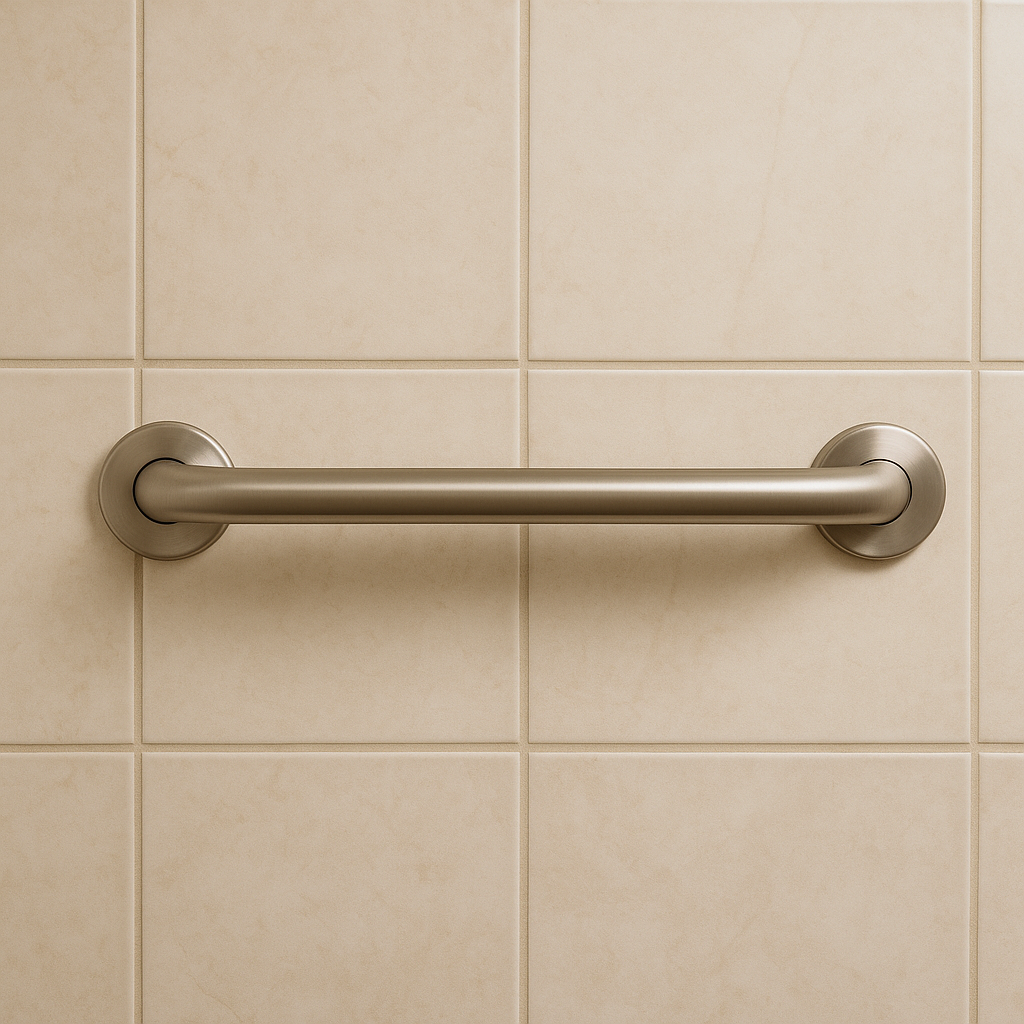
What Are Grab Bars and Who Needs Them
A grab bar is a sturdy, wall-mounted rail designed to provide support and stability in wet or slippery areas – primarily bathrooms. They are anchored into wall studs or solid backing and built to support significant weight, typically 250 to 500 pounds depending on the model.
People who benefit from having them installed include seniors aging in place, anyone recovering from surgery or injury, individuals with mobility limitations or balance issues, and families with young children who need support getting in and out of the bathtub. According to the CDC, falls are the leading cause of injury-related death among adults over 65, and bathroom falls account for a large share of those incidents. Simple fixtures like safety rails are among the most cost-effective interventions recommended by occupational therapists for fall prevention.
Even in homes without elderly residents, adding support rails near the shower, bathtub, and toilet is a smart universal design choice that improves safety and increases resale value. Most building codes for accessible construction reference ADA (Americans with Disabilities Act) standards for placement and weight capacity.
What to Look For: Features and Buying Criteria
Not every product is equally safe or suitable. These are the features worth comparing before you buy.
Material. Stainless steel is the most durable and corrosion-resistant option – ideal for wet environments. Brushed nickel and chrome finishes match most bathroom hardware. Plastic and nylon-coated models offer a warmer grip and come in more colors for a decorative look, but verify they meet the same weight capacity standards as metal options.
Weight capacity. ADA-compliant models must support at least 250 pounds of force. Many premium options handle 500 pounds. Always check the rated capacity before buying, and choose one that exceeds your needs rather than just meeting them.
Length. Standard sizes range from 12 to 48 inches. Shorter rails (12 to 18 inches) work well beside toilets and in tight spaces. Longer options (24 to 36 inches) are better for shower walls and bathtub entries. The most common ADA-compliant length is 36 inches.
Mounting style. Permanent wall-mounted models anchored into studs are the safest and most reliable. Suction-cup models require no drilling and are portable, but they have significantly lower weight ratings and can fail on textured surfaces. Use suction options only as a temporary or travel solution, not as a primary safety fixture.
Shape. Straight horizontal bars are the standard. L-shaped and angled designs provide support in multiple directions – useful for transitioning from sitting to standing. Flip-up models fold flat against the wall when not in use, saving space in smaller bathrooms.
Anti-slip grip. Look for textured or knurled surfaces that remain secure even when wet and soapy. Smooth, polished finishes may look elegant but become slippery under running water – the exact situation where you need the most grip.
What to Avoid When Buying Grab Bars
These are the mistakes that compromise safety or lead to products that fail when you need them most.
Using towel bars as support. A towel bar is not designed to bear weight. It will pull out of the wall under load, potentially causing a fall. Only use fixtures specifically rated for human weight support.
Relying solely on suction-cup models. Suction attachments can fail without warning, especially on textured tile, grout lines, or surfaces with soap residue. They are fine for travel but should not be your primary safety fixture at home.
Skipping proper installation. A rail anchored only into drywall will not hold. It must be secured into wall studs, blocking, or a reinforced mounting plate. If you are not confident in your ability to find studs and drill correctly, hire a professional installer – this is not the place to cut corners.
Choosing style over function. Decorative options can look beautiful, but verify that any fixture you choose meets ADA weight capacity standards. Some designer models prioritize aesthetics and use thinner materials that do not meet safety ratings.
Wrong placement. A perfectly good product installed in the wrong spot is useless. Place horizontal rails 33 to 36 inches above the floor in the shower. Install a vertical or angled rail at the bathtub entry point. Position a toilet-side rail at a height that matches the user’s seated reach. When in doubt, consult ADA placement guidelines or an occupational therapist.
Where to Buy Grab Bars In Store
Shopping in person lets you check the weight, grip texture, and finish before committing.
Home Depot
Browse their bathroom safety section for the widest in-store selection, including ADA-compliant stainless steel models, brushed nickel finishes, and suction-cup options. Brands like Glacier Bay, Delta, and Moen are well-represented. Staff can also help you find the right mounting hardware and wall anchors.
Lowe’s
Lowe’s carries a comparable selection in their bath safety aisle with brands like Allen + Roth and Project Source alongside major plumbing brands. Their installation services can handle the entire job if you prefer not to DIY – pricing varies by market but typically runs $100 to $200 per fixture including hardware.
Walmart
Walmart stocks a smaller selection focused on budget-friendly options in the home health or bathroom section. Good for basic models and suction-cup alternatives. Check the health and wellness aisle as well – some locations shelve safety fixtures alongside other bath accessories.
Medical Supply Stores
Local durable medical equipment shops carry ADA-compliant and commercial-grade options, including heavy-duty models rated for higher weight capacities. Staff can advise on placement and may offer installation services. Some accept insurance or Medicare for qualifying home modifications.
Tip: Bring your wall measurements and a stud-finder reading before shopping. Knowing where your studs are helps you choose the right length and mounting configuration.
Where to Buy Grab Bars Online
Online shopping gives you access to specialty retailers, decorative options, and hard-to-find ADA configurations that most stores do not stock.
Amazon
Shop their full selection for everything from basic stainless steel rails to designer options in matte black and gold. Brands like AmazerBath, Vive, and Moen are well-represented. Prime shipping and easy returns make it simple to order multiple lengths and return what does not fit.
GrabBars.com
A specialty retailer focused exclusively on safety rails and bathroom accessibility. They carry an extensive selection of ADA-compliant options in various finishes, lengths, and mounting styles – including flip-up, angled, and L-shaped configurations that general retailers rarely stock. Knowledgeable customer service team available by phone.
Signature Hardware
For homeowners who want bathroom safety fixtures that match high-end hardware, Signature Hardware offers decorative options in finishes like oil-rubbed bronze, polished brass, and matte black. All products meet ADA standards despite the premium styling. Higher price point but excellent build quality.
Mr. Grab Bar
Another specialty retailer offering a curated selection of stainless steel and decorative models. Their satin stainless finish is a popular choice for modern bathrooms. Detailed product specs and installation guides on every listing.
Top Picks for 2026
These are the products that consistently earn strong reviews from homeowners and accessibility professionals.
Best overall: Moen Home Care 24-Inch Stainless Steel. Solid construction, 500-pound weight capacity, and a clean brushed finish. Around $25 to $35. The most popular option at Home Depot and Amazon for good reason.
Best budget: Glacier Bay 18-Inch ADA Compliant. Basic stainless steel with reliable construction and a 250-pound rating. Around $12 to $18. Hard to beat on value for a straightforward installation.
Best decorative: Signature Hardware Greyfield Brass. Oil-rubbed bronze or polished brass finish that complements upscale bathroom design. Around $50 to $80. ADA compliant despite the designer aesthetics.
Best for tight spaces: Delta 12-Inch Angular. Compact angled design that fits beside toilets and in corner showers where a full-length rail would not work. Around $20 to $30. Solid weight rating in a small footprint.
Best suction-cup (travel only): Vive Suction Cup Shower Handle. Portable and tool-free with a 220-pound rating on smooth, non-porous surfaces. Around $15 to $20. Useful for hotels and temporary situations, but not a replacement for permanent installation.
Frequently Asked Questions
Does Medicare pay for grab bars?
Original Medicare does not typically cover safety rails or installation. However, some Medicare Advantage plans include home modification benefits. Medicaid waiver programs in many states cover bathroom safety modifications for qualifying seniors. Check with your plan and your state Medicaid office for specific coverage details.
How much do grab bars cost?
Basic stainless steel models start around $10 to $20. Mid-range ADA-compliant options run $25 to $50. Decorative or specialty designs can reach $80 to $150. Professional installation typically adds $100 to $200 per fixture depending on your market and wall construction.
How many grab bars should be in a shower?
The ADA recommends at least two: one horizontal rail on the long wall at 33 to 36 inches above the floor, and one vertical or angled rail near the entry point. For stand-alone showers, a third rail on the back wall provides additional security. More is generally better – install them wherever the user would naturally reach for support.
Can I install grab bars myself?
Yes, if you are comfortable using a drill and a stud finder. The key is anchoring into wall studs or solid blocking, not just drywall. Most products include mounting hardware and installation instructions. If your walls are tile, use a masonry bit to drill pilot holes and expect the job to take 30 to 60 minutes per fixture.
What is the difference between a grab bar and a towel bar?
A towel bar is decorative and designed to hold the weight of a towel – typically 10 to 20 pounds. A safety rail is structurally engineered to support human weight – 250 to 500 pounds when properly installed. Never use a towel bar as a support rail. They look similar but are fundamentally different products.
About This Guide
Reviewed by the wheretobuyguides.com editorial team. Content on bathroom safety fixtures is reviewed with guidance from published CDC fall-prevention guidelines and ADA accessibility standards. Last updated: March 2026.
Whether you are upgrading your own bathroom or helping a parent age in place, the right safety fixtures make a real difference. A properly installed rail costs less than a single emergency room visit and provides years of reliable support exactly where it is needed most.