
You can buy garcinia cambogia at Walmart, GNC, Amazon, iHerb, and Vitacost, and some pharmacy chains stock it by location. The harder question is whether to buy it. Garcinia cambogia is a tropical fruit extract sold as a weight management supplement, and the National Institutes of Health describes any effect on body weight as small, with liver injury reports on record. This page covers both: what the evidence and the case files say, then where to buy a bottle that hides the least.
This page contains affiliate links. We may earn a commission at no extra cost to you.
What the Evidence Says About Garcinia Cambogia
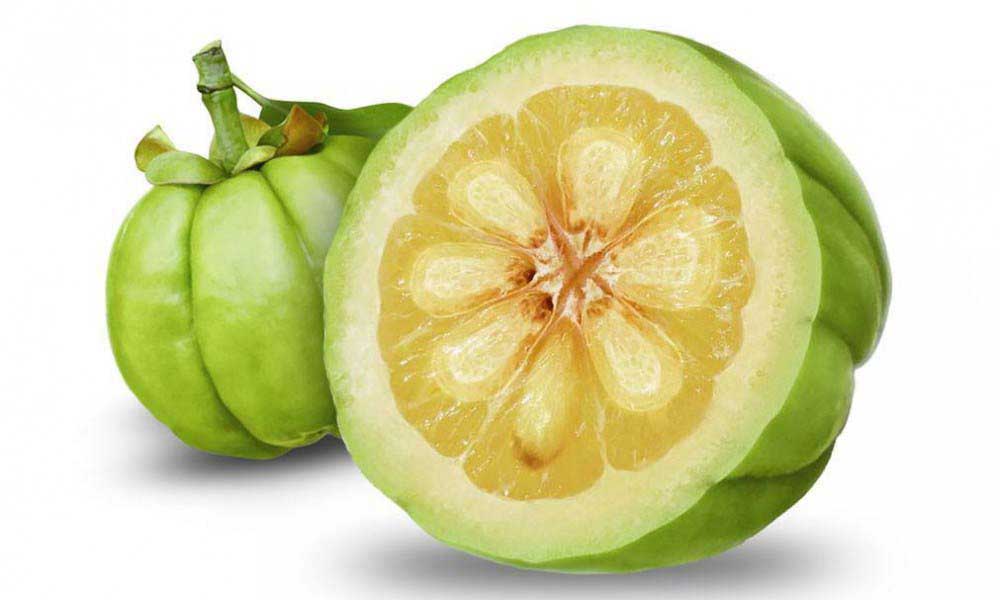
Garcinia cambogia is a dietary supplement made from the dried rind of Garcinia gummi-gutta, a small tropical fruit grown across Southeast Asia and India and also called Malabar tamarind. The rind is rich in hydroxycitric acid, shortened to HCA on the label, a compound proposed to block citrate lyase, an enzyme involved in turning excess calories into fat.
That mechanism works in rats. In people, the NIH Office of Dietary Supplements calls the evidence conflicting and says any effect appears small. Three findings from its fact sheet are worth knowing before you spend anything:
- A 2011 systematic review and meta-analysis of 12 randomized controlled trials (706 participants) found a short-term average loss of 0.88 kg versus placebo. Limited to the two rigorously designed trials, the difference was no longer statistically significant.
- In one 12-week trial, women taking 800 mg before meals lost more weight than the placebo group, yet the extract did not change appetite or satiety, which undercuts the appetite control claim on most bottles.
- In another, 135 adults taking 1000 mg before each meal lost no more weight or body fat than placebo.
Every trial was short, so long-term safety is unknown. The National Center for Complementary and Integrative Health reaches the same place: it is unclear whether these products help with weight loss, and more research is needed. No federal agency supports the fat-burning claim on the front of the bottle.
Liver Injury Reports and Who Should Skip It
NCCIH states plainly that garcinia cambogia products may be unsafe, including multi-ingredient formulas that contain the extract. Several cases of liver damage have been reported, some severe, though severe cases appear uncommon.
The case files fill in the detail. LiverTox, the NIH database of drug-induced liver reactions, rates garcinia a likely rare cause of clinically apparent liver injury, estimated at fewer than 1 in 10,000 users. Typical cases show fatigue, nausea, and jaundice 1 to 4 weeks after starting, sometimes months later. A 2025 review in Pharmaceutical Biology counted 34 published case reports of liver harm, including one death and nine liver transplants. The ODS fact sheet notes that in most earlier reports the product also contained other botanicals, so the extract cannot always be singled out. That is one more reason to avoid blends.
Mild possible side effects include headache, nausea, diarrhea, and other gastrointestinal symptoms. Interactions matter more. According to NCCIH, garcinia cambogia may interact with some drugs that affect the liver and some that affect serotonin, a group that includes selective serotonin reuptake inhibitors (SSRIs) prescribed for depression, and ODS describes three cases of mania possibly linked to HCA’s serotonergic activity.
Skip it, or consult your physician first, if any of these apply:
- You have a liver condition or other medical conditions that need regular monitoring.
- You take an antidepressant or other medications that increase serotonin.
- You are pregnant or breastfeeding. NCCIH says little is known about safety in either case.
Stop and call a clinician if you notice yellow skin or eyes, dark urine, or unusual fatigue. Keep bottles out of the reach of children.
How to Read the Supplement Facts Panel
If you still want to take garcinia cambogia, the back of the bottle is where good and bad products separate. Four lines carry most of the information.
| Label line | What it tells you | Red flag |
|---|---|---|
| HCA percentage | Potency of the standardized extract | Only milligrams of “fruit extract” |
| Ingredient list | Whether it is one extract or a stack | Proprietary blend, caffeine, green coffee |
| Testing seal | An outside lab checked identity and purity | Vague “lab tested” with no named body |
| Claims on the front | How the seller markets it | “No diet or exercise needed” |
The HCA percentage is the line that tells you the most. A garcinia cambogia extract is commonly standardized to 50 or 60 percent HCA, and potency lives in that figure, not in the raw milligram count. When we checked retail listings for this update in October 2026, the same Sports Research softgel was described as 50, 60, or 65 percent HCA depending on the seller, which is why the label in your hand beats the listing copy on a screen.
A second check costs nothing: search the product name in the NIH Dietary Supplement Label Database, which stores scanned supplement labels, and compare the panel there with the listing. For what third-party seals such as USP and NSF actually verify, see our guide to buying supplements.
- Find the standardized HCA percentage on the Supplement Facts panel. No percentage, no purchase.
- Scan the ingredient list for stimulants or a proprietary blend. Either one puts the bottle back on the shelf.
- Look for a USP or NSF mark, then compare cost per capsule across whatever passed.
Free Trials, Fake Reviews, and Tainted Bottles
Three federal cases show the patterns to avoid.
Free trial offers. In 2017 the Federal Trade Commission settled with a network of marketers operating as Tarr, Inc., whose “Miracle Garcinia Cambogia” ads promised pounds lost with no special diet or exercise. The FTC alleged “free” and “risk-free” trials that enrolled buyers in recurring auto-ship charges. The order imposed a 179 million USD judgment, suspended after a payment of about 6.4 million USD. Buy from a named retailer at a posted price instead.
Paid reviews. In 2019 the FTC brought its first case over fake paid reviews on an independent retail site against Cure Encapsulations, which sold a garcinia capsule on Amazon and paid a third-party website for reviews. The order bars the company from weight-loss and appetite suppressant claims without human clinical testing. A wall of five-star reviews proves nothing on its own.
Hidden drugs. In 2017 the FDA warned consumers not to buy Fruta Planta Life (Garcinia Cambogia Premium) after lab analysis found sibutramine, a weight-loss drug removed from the U.S. market in 2010 for safety reasons. The agency keeps a running list of tainted products with undeclared prescription drugs. Check the seller of record and prefer first-party listings over bargain resellers.
Where to Buy Garcinia Cambogia In Store and Online
Big-box stores and specialty vitamin chains carry it on the shelf, while online retailers carry the plain single-ingredient bottles in the widest range.
Walmart
Walmart, the largest brick-and-mortar retailer in the United States, sells garcinia in stores and online, including single-ingredient bottles such as NatureWise. Look in the vitamin and weight management section rather than the grocery aisles.
Walgreens and CVS
Walgreens and CVS stock weight management products, but garcinia availability varies by store, so check online inventory first. The pharmacist is the reason to buy here: one can check a bottle against your prescriptions.
GNC and The Vitamin Shoppe
GNC and The Vitamin Shoppe both sell house-brand garcinia. Read those panels closely: GNC’s lineup includes a version combined with probiotics, and combination formulas are exactly what this guide steers you away from.
Amazon
Amazon has the deepest catalog. Read the seller name on every listing, since one product page can be fulfilled by different sellers, and trust the panel image over the star rating.
iHerb, Vitacost, and Brand Sites
iHerb and Vitacost specialize in supplements. Vitacost lists both NatureWise and Sports Research extracts, iHerb carries NatureWise, and both often show the full label panel. Buying from the brand’s own site gets you the manufacturer’s documentation, and you can ask for a certificate of analysis. If a site pushes a subscription, read the cancellation terms first.
| Channel | Selection | Best for | Watch for |
|---|---|---|---|
| Walmart | Broad | Buying today | Third-party sellers online |
| CVS, Walgreens | Varies by store | Pharmacist access | Spotty stock |
| GNC, Vitamin Shoppe | House brands | Seeing labels in person | Combination formulas |
| Amazon | Deepest | Comparing brands | Paid reviews, resellers |
| iHerb, Vitacost | Deep | Label detail | Shipping thresholds |
Bottles That Pass the Label Check
Each garcinia cambogia supplement below was chosen on label transparency and availability, not on fat-burning promises. Prices change often, so compare cost per capsule at checkout.
Best single-ingredient capsule: NatureWise Garcinia Cambogia. Vegan capsules with 500 mg of extract standardized to 60 percent HCA, according to its retail label, sold in 90 and 180 counts. See it on Amazon.
Best softgel: Sports Research Garcinia Cambogia. A 500 mg softgel in organic coconut oil, and the brand advertises third-party testing. Check the HCA figure on the bottle itself, given the listing inconsistencies noted above. Check current pricing on Amazon.
National brand: Nature’s Bounty Garcinia Cambogia. Its label in the NIH database describes a softgel pairing the extract, standardized to 50 percent HCA, with coconut oil, and it warns against use during pregnancy or nursing. Shop it on Amazon.
Read before buying: Purely Inspired Garcinia Cambogia. Listings we reviewed show green coffee bean extract alongside the garcinia, and a “Plus” version lists caffeine. That makes it a combination formula, not a plain extract. Find it on Amazon.
Alternatives With Better Evidence
Prescription anti-obesity medication. These went through clinical trial review that nothing in this aisle has faced. They cost more and need a prescriber. That is the trade: more friction, more evidence.
Protein and fiber, bought as groceries. Less exciting, safer, and easy to find. Foods such as chia seeds add fiber to a meal with no liver warnings attached.
Apple cider vinegar or green tea. Cheaper and in every grocery store. Brewed tea is not the same as concentrated green tea extract, which ODS links to its own liver damage reports, so switching herbal medicine is not automatically an upgrade.
Read the FDA’s supplement guidance and the NIH fact sheet, then decide whether you still want to buy garcinia cambogia. If you do, pick a single-ingredient bottle with a disclosed HCA percentage from Walmart, Amazon, or Vitacost, buy the smallest count available, and tell your prescriber you are taking a supplement before the first capsule.
Questions Buyers Ask
Does garcinia cambogia reduce belly fat?
The NIH Office of Dietary Supplements cites no evidence that it targets belly fat. In a 12-week trial of 135 adults, the extract produced no more body fat loss than placebo, and pooled trials show at most a small, uncertain short-term change in weight.
Is garcinia cambogia FDA approved?
No. Like every dietary supplement, it is sold without Food and Drug Administration approval or review for safety and effectiveness. A label stating it was made in a cGMP facility refers to manufacturing practice, not approval.
Are store brand capsules as good as name brands?
On the active compound, often yes. A standardized extract at a stated HCA percentage is the same ingredient whether the bottle carries a retailer’s house label or a national one. What national brands more often buy you is published testing documentation. Compare the two Supplement Facts panels rather than the front labels.
Is a natural supplement automatically a safe one?
No, and this category is the example people reach for. A topical product such as tea tree oil stays on your skin. An ingested herbal medicine passes through your liver, which is why plant-derived extracts show up in liver toxicity case files at all. Natural describes the source, not the safety profile.
Reviewed by the wheretobuyguides.com editorial team. Retailer listings, FTC and FDA actions, and the NIH and NCCIH guidance cited here were last checked in October 2026; prices are omitted because they change too often to keep current. This page is shopping information, not medical advice.