
Finding the right essential oils can feel overwhelming when dozens of brands line the shelves and even more crowd online marketplaces. Whether you want lavender for relaxation, tea tree for skincare, or peppermint for headaches, knowing where to buy and what to look for makes the difference between a quality product and a disappointing one. This guide covers the best places to shop for essential oils in store and online, what features separate a pure product from a diluted one, and which buying mistakes to avoid before you spend a dollar.
This page contains affiliate links. We may earn a commission at no extra cost to you.
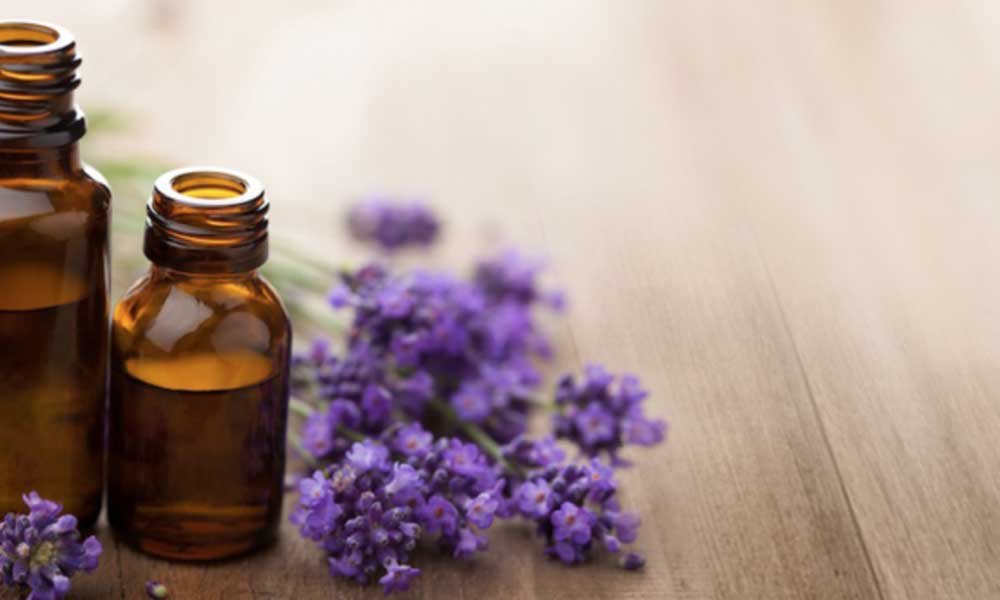
What Are Essential Oils and Who Needs Them
Essential oils are concentrated plant extracts obtained through steam distillation or cold pressing. Each extract captures the natural aroma and beneficial compounds of its botanical source — lavender from the flower, eucalyptus from the leaf, citrus varieties from the peel. People use them in aromatherapy, personal care products, cleaning solutions, and topical applications after proper dilution. The National Institute of Environmental Health Sciences notes that certain essential oils contain chemical components like linalool and linalyl acetate that researchers continue to study for potential health effects. Aromatherapy practitioners, massage therapists, people managing stress or congestion, and anyone who prefers natural fragrance options for the home are the primary audience for these products.
What to Look For: Features and Buying Criteria
Purity and labeling. Look for bottles labeled “100% pure” with the Latin botanical name on the label. For example, true lavender should list Lavandula angustifolia, not just “lavender fragrance.” Avoid anything labeled “fragrance” or “perfume” — those are synthetic and lack the therapeutic compounds of a genuine extract.
Extraction method. Steam distillation is the most common process for flowers, leaves, and bark. Cold pressing works best for citrus varieties like lemon and orange. The method affects potency, so reputable brands state the extraction process on the packaging or product page.
Third-party testing. Quality brands submit each batch for GC/MS (gas chromatography/mass spectrometry) testing. This analysis confirms the chemical profile matches the expected constituents and reveals any fillers or contaminants. Brands like Plant Therapy and Edens Garden publish test results openly.
Bottle size and packaging. Most single bottles come in 5 mL, 10 mL, or 15 mL dark glass bottles. Amber or cobalt glass protects the contents from UV degradation. Avoid clear plastic containers — light and certain plastics break down the compounds over time.
Sourcing transparency. Ethically sourced products from known growing regions tend to be higher quality. Brands that name the country of origin and farm partnerships are generally more reliable than those that offer no sourcing details at all.
Price as a quality signal. Pure essential oils cost more than synthetics. If a 15 mL bottle of rose or chamomile sells for under five dollars, it is almost certainly diluted or synthetic. Expect to pay around eight to fifteen dollars for common varieties like lavender or peppermint, and thirty dollars or more for rare extracts like rose, neroli, or sandalwood.
What to Avoid When Buying Essential Oils
Synthetic imitations. Some products use the word “essential” loosely. If the ingredient list includes “fragrance” or “parfum,” the bottle contains synthetic aroma compounds, not a true plant extract. These do not deliver the same benefits and may cause allergic reactions in sensitive individuals.
Undiluted application on skin. Applying concentrated extracts directly to the skin without a carrier can cause irritation or inflamed skin. Always dilute with a carrier such as jojoba, coconut, or sweet almond oil before topical use, and do a patch test on a small area first.
Internal use without guidance. Swallowing these products is risky unless directed by a qualified practitioner. Many are toxic when ingested, and even food-grade labels do not mean a product is safe to consume in concentrated form.
Buying based on marketing hype alone. Terms like “therapeutic grade” and “clinical grade” are not regulated by any government agency. They are marketing labels, not certifications. Focus on GC/MS testing, sourcing transparency, and brand reputation instead.
Ignoring pet safety. Certain varieties — particularly tea tree, wintergreen, and sage — can be harmful to cats and dogs. If you have pets at home, research each product before diffusing it and keep bottles stored securely out of reach.
Where to Buy Essential Oils In Store
Walmart
Walmart stocks a solid selection in the health and wellness aisle near the pharmacy. You will typically find brands like Nature’s Truth, Majestic Pure, and SpaRoom in most locations. Prices start around four to eight dollars for popular varieties. Selection varies by store size, so if your local Walmart has a smaller health section, check their website for the full catalog and order for home delivery or store pickup.
Target
Target carries essential oils in the personal care and wellness section, usually near the candles and diffusers. Brands like Aura Cacia and Vitruvi are common picks on their shelves. Target tends to stock a curated range rather than hundreds of options, which can make choosing easier if you are new to aromatherapy. Browse their selection on the Target website if you want to compare before visiting.
GNC
GNC is known for supplements and health products, and many locations carry a small but focused aromatherapy collection. You may find brands oriented toward holistic wellness here. If your local GNC does not have what you need, browse their online catalog for a wider variety and ship to your door.
Whole Foods Market
Whole Foods dedicates shelf space to certified organic and ethically sourced brands like Aura Cacia. The store’s standards for product purity align well with what you want in a quality product. Check the body care aisle or ask at the wellness counter. Whole Foods is a particularly good option if sourcing and organic certification matter to you.
Tip: Call ahead to check stock on less common options like chamomile or frankincense — smaller store locations may carry only the top sellers.
Where to Buy Essential Oils Online
Amazon
Amazon offers one of the largest selections available, from single-note bottles to starter kits with six or more varieties. Major brands like Plant Therapy, Edens Garden, and Handcraft Blends all sell directly through the platform. The advantage is customer reviews — you can read thousands of verified buyer opinions before committing. To narrow results, search for specific needs like “eucalyptus for congestion” or “lavender for sleep” rather than the broad term. Browse the selection on Amazon #ad to compare options and prices.
eBay
eBay is useful for finding bulk quantities, discontinued varieties, and sampler sets at competitive prices. Use the category filters to sort by brand or category. One advantage is the auction format, which sometimes yields deals well below retail. Be cautious with unknown sellers — check feedback ratings and look for listings that mention GC/MS testing or certified organic sourcing to ensure you are getting a genuine product. Search listings on eBay to see current options.
Specialty Brand Websites
Buying directly from brands like Plant Therapy, Mountain Rose Herbs, doTERRA, or Young Living gives you access to the full product line, subscription discounts, and detailed sourcing information. These companies also publish GC/MS reports for every batch. Direct purchasing is worth considering if you use these products regularly and want consistent quality from a single trusted source.
Top Picks
Best overall: Plant Therapy Essential Oils. Rigorously tested with published GC/MS reports for every batch. Wide selection of single bottles and blends, with a dedicated KidSafe line for families. Around eight to twelve dollars for a 10 mL bottle.
Best budget: Handcraft Blends Lavender Oil. A well-reviewed option that consistently earns high ratings from thousands of verified Amazon buyers. Pure, undiluted, and packaged in dark glass. Around six to nine dollars for a 4 oz bottle.
Best for variety: Edens Garden Starter Set. Includes six popular varieties — lavender, peppermint, eucalyptus, tea tree, lemon, and sweet orange. A good entry point for beginners who want to explore aromatherapy without committing to full-size bottles of each. Around twenty to twenty-five dollars for the set.
Best premium: Mountain Rose Herbs Organic Collection. Certified organic, ethically sourced from named farms, with full transparency on every step of the supply chain. Costs more, but the purity and potency are among the highest quality available. Around twelve to twenty dollars per 15 mL bottle depending on the variety.
Frequently Asked Questions
Do essential oils expire?
Yes, most essential oils have a shelf life of one to three years when stored properly in a cool, dark location with the cap tightly sealed. Citrus oils tend to oxidize faster and may last only about a year. If the product smells off or has thickened noticeably, it has likely degraded and should be replaced.
Are essential oils safe for pets?
Some are toxic to cats and dogs. Tea tree, wintergreen, and pennyroyal are especially dangerous for cats. Always research a specific product before diffusing it in a home with pets, and never apply anything directly to an animal without veterinary guidance.
Can you use essential oils in a diffuser and a humidifier?
Ultrasonic diffusers are designed specifically for this purpose and are the safest option. Adding drops to a standard humidifier can damage the internal components over time. If you want both humidity and fragrance, use a dedicated aromatherapy diffuser or a humidifier that explicitly supports oil use.
What is the difference between essential oils and fragrance oils?
Essential oils are natural extracts distilled or pressed from plants. Fragrance oils are synthetically manufactured to mimic a scent. Fragrance oils are fine for candles or soaps where scent is the only goal, but they lack the botanical compounds that make them useful in aromatherapy and holistic skincare.
How do I properly dilute essential oils for skin use?
A standard dilution ratio is two to three drops per teaspoon of carrier oil such as jojoba or coconut. For sensitive skin or children, reduce to one drop per teaspoon. Always perform a patch test on a small area and wait 24 hours before broader application to check for any allergic reaction.
Reviewed by the wheretobuyguides.com editorial team. Information on safety and proper use reflects guidance from the National Association for Holistic Aromatherapy. Last updated: March 2026.
Whether you pick up a bottle at Walmart or order a curated set from a specialty brand online, the right essential oils are worth taking the time to find. Focus on purity, sourcing, and your specific needs, and you will get far more value from every drop.