
Dashi is the backbone of Japanese cooking, a deceptively simple stock that delivers deep, savory flavor to everything from miso soup to simmered vegetables. If you have never cooked with it before, finding the right type and knowing where to buy it can feel overwhelming. Between instant granules, liquid concentrates, and traditional ingredients sold separately, the options are broader than most people expect. This guide breaks down what to look for, which retailers carry it, and how to avoid common mistakes so you end up with the right product for your kitchen.
This page contains affiliate links. We may earn a commission at no extra cost to you.
What Is Dashi and Who Needs It
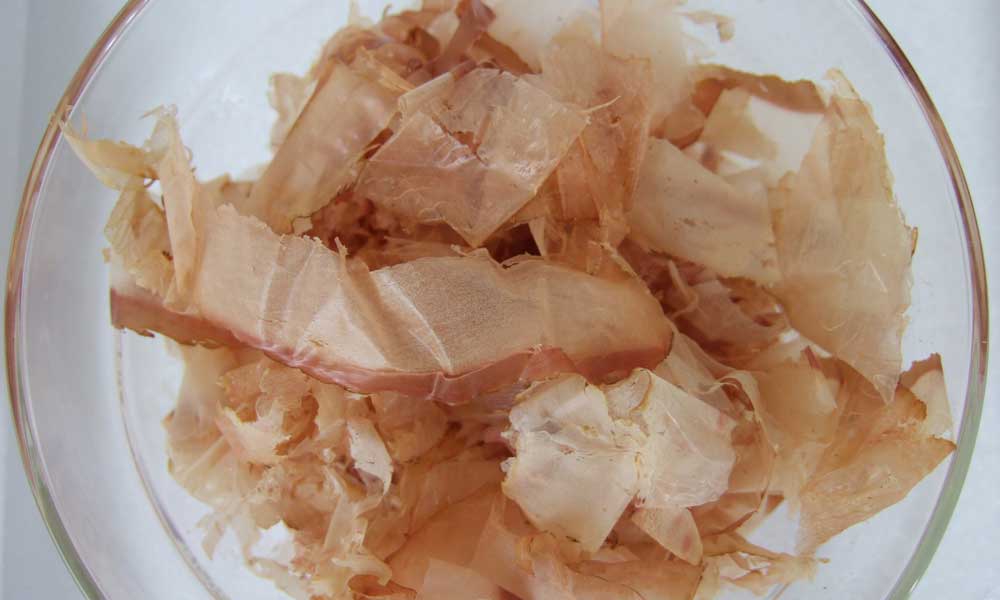
Dashi is a Japanese soup stock that forms the flavor foundation of countless dishes in Japanese cuisine. At its most traditional, it is made by steeping kombu (dried kelp) and katsuobushi (dried, smoked bonito flakes) in hot water. The result is a light, clear broth packed with umami, the savory fifth taste identified by Kikunae Ikeda of Tokyo Imperial University in 1908. It is used as the base for miso soup, noodle broths, simmered dishes, and savory egg custard. Home cooks exploring Japanese recipes for the first time will find that even a small amount of quality stock transforms a dish. Professional chefs and serious home cooks keep it on hand as a versatile base that adds depth without heaviness, making it essential for anyone interested in authentic Japanese food.
What to Look For: Features and Buying Criteria
Type of dashi. The most common forms are instant powder (granules you dissolve in water), liquid concentrate, and raw ingredients for making it from scratch. Ichiban dashi, the first extraction, delivers the purest flavor and is best for clear soups. Niban dashi, made by re-simmering the ingredients from the first batch, works well for heartier stews and braised dishes. Shiitake dashi, made from dried shiitake mushrooms, is a popular vegetarian option.
Ingredients list. Traditional recipes call for kombu and katsuobushi. Check the label for additives. Some instant granules contain MSG, salt, or sugar. Brands like Kayanoya emphasize natural, additive-free ingredients sourced domestically in Japan. If you prefer a clean label, look for products listing only dried bonito flakes, kelp, and sometimes dried sardines or niboshi.
Flavor profile. Kombu dashi has a subtle, mild umami flavor suited to delicate dishes. Katsuobushi-based varieties are smokier and more assertive. Blends of kombu and katsuobushi provide a balanced, well-rounded taste that works across a wide number of dishes. Niboshi stock, made from small dried sardines, has a stronger, slightly fishy note that pairs well with robust miso soup.
Dietary considerations. Standard recipes contain fish, so the result is not vegetarian. Plant-based and shiitake varieties are alternatives suitable for vegan diets. If you follow a gluten-free diet, check that instant products do not include wheat-derived ingredients. Some varieties contain soy, so read labels carefully if you have allergies.
Packaging and shelf life. Powder and granules store easily in a pantry for months. Individual packets are convenient for single servings. Liquid concentrates should be refrigerated after opening. Whole kombu and katsuobushi flakes last longest when stored in a cool, dry place and give you the most control over flavor strength.
What to Avoid When Buying Dashi
Choosing based on price alone. The cheapest instant packets often rely heavily on salt and MSG to create flavor rather than real kombu or bonito. You end up with a broth that tastes flat and one-dimensional compared to a product made with quality ingredients.
Ignoring the ingredient source. Not all kelp and bonito are equal. Products sourced from Japan typically have a richer umami taste than generic alternatives. Look for brands that specify the origin of their kombu and katsuobushi.
Buying the wrong type for your recipe. Using a strong niboshi or sardine-based stock in a delicate clear soup will overpower the dish. Match the variety to what you are cooking: ichiban for light soups, niban for stews, and shiitake or kombu varieties for vegetable-forward recipes.
Overlooking expiration dates on dried ingredients. Dried bonito flakes and kombu do lose potency over time. Stale katsuobushi produces a weak, dull broth. Buy from stores with good turnover and check dates before purchasing.
Where to Buy Dashi In Store
Asian Grocery Stores
Your best bet for finding a wide selection is a local Asian market. These stores typically carry instant granules, dried kombu, katsuobushi flakes, dried anchovies, and sometimes fresh or frozen stock. The Japanese food aisle will have multiple brands including Ajinomoto and Shimaya. Use Yelp to search for Asian markets near you. A quick search in most metro areas turns up dozens of options. Call ahead if you need a specific product like whole katsuobushi blocks, as smaller shops may not stock specialty items.
Walmart
Many Walmart locations carry a basic selection of Japanese cooking ingredients in the international foods aisle. You can often find Ajinomoto Hon-Dashi soup stock powder and sometimes dried kombu. Selection varies by store, so check their website for availability at your nearest location. Walmart is a solid option when you need something quickly and do not have a specialty Asian store nearby.
Whole Foods and Specialty Grocers
Whole Foods carries organic and natural Japanese pantry staples including kombu, bonito, and occasionally instant options from clean-label brands. Check the international or Asian foods section. Other specialty grocers like Sprouts or local co-ops may stock similar items. Prices tend to run higher than Asian markets, but the products often emphasize additive-free formulations.
Tip: Call ahead to check stock, especially for less common ingredients like dried anchovies or whole katsuobushi. Smaller locations may carry limited Japanese pantry supplies.
Where to Buy Dashi Online
Amazon
Amazon has one of the largest online selections, with hundreds of products ranging from instant granules to whole kombu sheets and katsuobushi flakes. Popular options include Ajinomoto Hon-Dashi and Kayanoya stock packets. Most items are Prime eligible, with prices typically between five and twelve dollars per package. The variety makes it a good place to compare brands and read verified buyer reviews before committing. Browse the full selection on Amazon to see current options and pricing.
Thrive Market
Thrive Market is an online membership-based retailer focused on organic and natural products. They carry Japanese cooking staples that rotate with inventory, so availability of specific products may vary. If you already shop at Thrive Market for other pantry items, it is worth checking whether they have kombu, bonito, or instant options in stock. Membership costs around five dollars a month, and the site frequently offers discounts on first orders.
eBay
eBay lists a large selection including harder-to-find imports from Japan. You can find items like organic dried kombu kelp, katsuo powder, and bulk bonito flakes from Japanese sellers. Prices are comparable to Amazon, and many listings include free shipping. eBay can be particularly useful for sourcing specialty or regional Japanese brands not carried by mainstream retailers. Check the current eBay listings to compare options.
Specialty Japanese Online Stores
Dedicated Japanese grocery websites like Kayanoya USA, Japan Centre, and similar importers offer curated selections of premium products. These stores focus on authentic Japanese ingredients and often provide detailed descriptions of sourcing and flavor profiles. If you want the highest quality traditional ingredients for homemade stock, a specialty Japanese retailer is the way to go.
Top Picks
Best overall: Ajinomoto Hon-Dashi Soup Stock. The most widely available instant option in the United States. Dissolves quickly, delivers consistent umami, and works well as a base for miso soup, noodle broth, and simmered dishes. Around $5 to $8 for a standard box.
Best premium: Kayanoya Original Dashi Stock Powder. Made with natural ingredients including bonito, kombu, and shiitake mushrooms. No MSG or artificial additives. Produces a clean, layered broth with excellent depth. Around $15 to $20 for a box of individual packets.
Best budget: Shimaya Dashi No Moto Bonito Soup Stock. An affordable option found at most Asian grocery stores. Reliable flavor for everyday cooking. Under $4 for a standard package.
Best for homemade: Dried Kombu and Katsuobushi Set. Buying whole kombu sheets and bonito flakes separately lets you make authentic homemade broth from scratch. A bag of each runs around $8 to $15 and yields many batches of fresh stock. Brands like Shirakiku and Yamaki are widely available online.
Best vegetarian: Dried Shiitake Mushrooms. For a plant-based option with rich, earthy umami, shiitake mushrooms are the classic choice. Soak them in cold water overnight for the best flavor extraction. Around $6 to $12 for a bag depending on size and grade.
Frequently Asked Questions
What is dashi made of?
Traditional dashi is made from kombu (dried kelp) and katsuobushi (dried, fermented, and smoked bonito flakes). These two ingredients are steeped in hot water to extract a clear, umami-rich liquid. Variations use niboshi (small dried sardines), dried shiitake mushrooms, or a combination of ingredients depending on the regional recipe and intended use.
What is a good substitute for dashi?
Chicken stock or vegetable stock can work as a substitute in some recipes, though neither replicates the specific umami flavor of the real thing. Mixing a small amount of soy sauce and a pinch of dried seaweed into chicken broth gets closer. For the most authentic results, instant powder is an easy and inexpensive way to get the real flavor without making stock from scratch.
Is dashi vegetarian or vegan?
Standard versions made with katsuobushi or niboshi are not vegetarian because both contain fish. Kombu and shiitake varieties are fully plant-based and work well for vegetarian and vegan cooking. Always check the label on instant products, as some blends combine kelp with bonito or dried fish even when marketed as kombu-based.
Does dashi powder expire?
Powder and granules have a long shelf life, typically one to two years when stored in a cool, dry place. Once opened, seal the package tightly and use within a few months for the best flavor. Expired product loses potency rather than becoming unsafe, so old stock will simply produce a weaker broth.
What does dashi taste like?
It has a clean, savory taste that is often described as the essence of umami. It is not fishy in the way a fish stock might be. Instead, it provides a subtle, deeply satisfying background flavor that enhances other ingredients. The glutamate from kombu and the inosinate from bonito work together to create a taste greater than either ingredient alone.
Can dashi replace chicken stock in recipes?
It can replace chicken stock in many recipes, especially soups, braises, and noodle dishes where you want a lighter body with more umami depth. It works particularly well in Japanese dishes like udon noodle soup and simmered vegetables. For Western recipes that rely on the richness of a poultry-based base, it may taste too light on its own, but blending the two can produce excellent results.
Reviewed by the wheretobuyguides.com editorial team. Last updated: March 2026.
Whether you pick up instant granules from a local Asian market or order premium kombu and katsuobushi online, the right stock is worth seeking out. It is the heart of Japanese cooking and a simple way to bring authentic umami flavor to your kitchen.