
Finding the right compression gloves means matching the design to your specific condition – whether that is arthritis stiffness, carpal tunnel discomfort, or general hand fatigue from repetitive tasks like typing, crochet, or gaming. The wrong pair can feel uncomfortable or do nothing at all, while the right pair can genuinely reduce pain and improve your daily mobility. This guide covers what to look for, what to avoid, and the best places to buy both online and in store.
This page contains affiliate links. We may earn a commission at no extra cost to you.
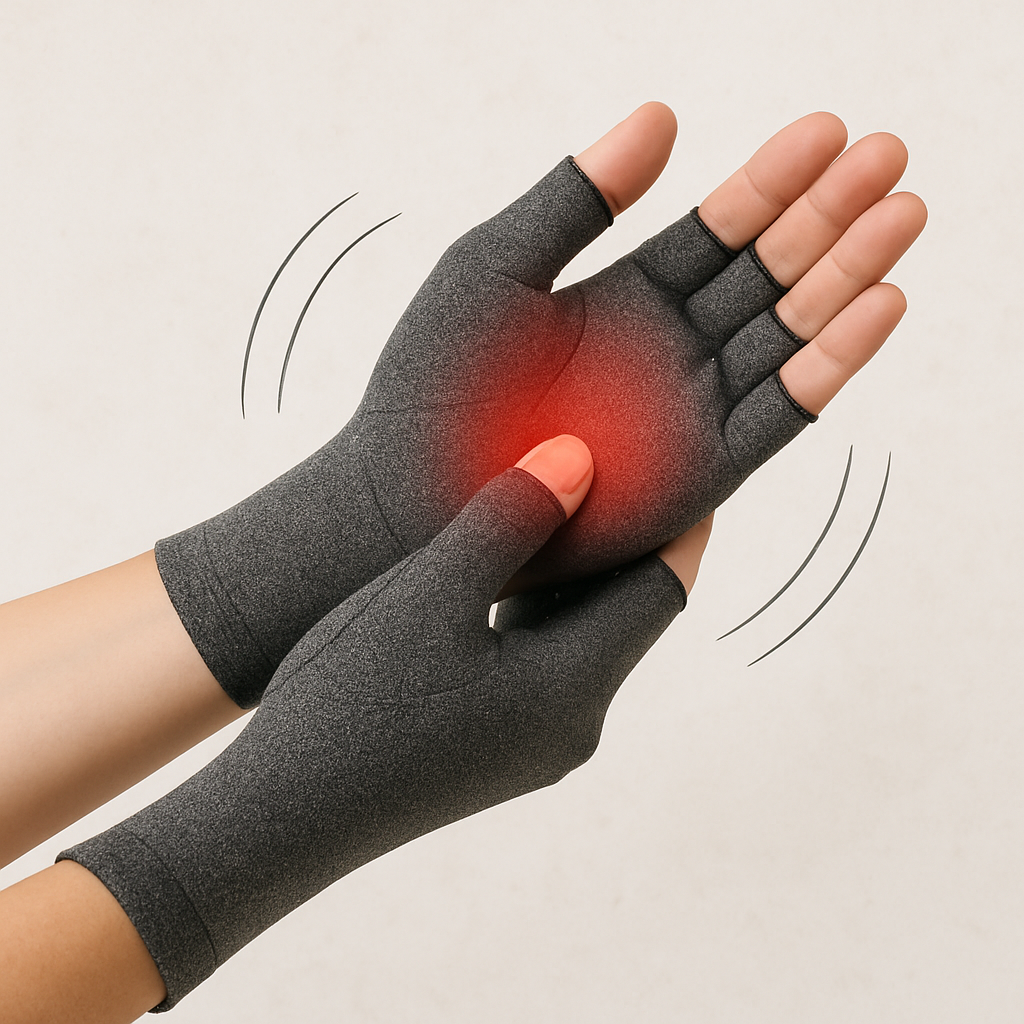
What Are Compression Gloves and Who Needs Them
Compression gloves are snug-fitting hand garments that apply gentle, consistent pressure to the fingers, knuckles, and wrist area. This pressure helps improve circulation, reduce swelling, and ease joint stiffness – particularly in people with arthritis, carpal tunnel syndrome, tendonitis, or repetitive strain injuries.
People who benefit most include those managing rheumatoid or osteoarthritis in their hands, office workers and gamers with wrist and finger fatigue, crafters who spend hours knitting or crocheting, and anyone recovering from hand surgery or dealing with chronic pain and swelling. According to the Arthritis Foundation, wearing supportive hand garments during daily activities can help maintain range of motion and reduce the morning stiffness that makes everyday tasks difficult.
Most options are designed for daytime wear during activities, though some lightweight styles can be worn overnight for people who wake up with stiff, swollen hands. Your doctor or occupational therapist can recommend the right type and pressure level based on your diagnosis and daily routine. Many people find that even mild pressure makes a noticeable difference in hand function within the first week of consistent use, particularly for tasks that involve gripping, pinching, or sustained finger movement.
What to Look For: Features and Buying Criteria
Not every pair works for every condition. These are the features worth comparing before you buy.
Finger coverage. Fingerless designs leave the fingertips exposed for better grip and dexterity – ideal for typing, texting, and craft work. Full-finger styles provide more coverage and warmth, which some people prefer for nighttime wear or cold environments. Open-finger options offer a middle ground with partial tip coverage.
Material and breathability. Cotton and spandex blends are the most popular, offering stretch and comfort for all-day wear. Copper-infused fabrics are marketed for their antimicrobial properties and odor resistance. Bamboo blends add softness and moisture-wicking performance. Choose breathable materials if you plan to wear them during physical activity or in warm weather.
Compression level. Most over-the-counter options provide mild to moderate pressure (15-20 mmHg). This is enough to reduce swelling and support stiff joints without restricting blood flow. Higher-pressure medical-grade versions exist but are typically prescribed by a specialist for specific conditions.
Sizing. A proper fit is critical. Too tight restricts circulation and causes numbness; too loose provides no therapeutic benefit. Measure the circumference of your hand across the widest point of your knuckles, then check the brand’s size chart. Most brands range from XS through XL, and some offer wide or extended sizing.
Grip features. Some designs include non-slip silicone dots or grippy palm pads that help you hold objects securely. This matters for people whose pain or stiffness makes gripping difficult, and for activities like cooking or using tools.
Wrist support. Models with an extended wrist band provide additional stability for people managing carpal tunnel pain or wrist tendonitis. If your discomfort extends beyond your fingers into your wrist and forearm, look for a style with built-in wrist coverage rather than buying a separate brace.
What to Avoid When Buying Compression Gloves
These are the mistakes that lead to discomfort, wasted money, or a product that does not help.
Buying the wrong size. Sizing varies significantly between brands. Do not assume your usual clothing size will match. Measure your hand and compare against the specific brand’s chart before ordering.
Expecting a cure. These garments manage symptoms – they do not treat the underlying condition. They can reduce pain and stiffness during daily activities, but they are not a substitute for medical treatment. Use them alongside your doctor’s recommended care plan, not instead of it.
Choosing based on marketing claims alone. “Copper-infused” sounds impressive, but the scientific evidence for copper’s pain-relief benefits in fabric is limited. Focus on fit, pressure level, and material comfort rather than ingredient claims.
Ignoring your use case. A thick, full-finger design makes typing nearly impossible. A thin fingerless pair will not keep your hands warm overnight. Match the style to when and how you plan to wear them.
Washing incorrectly. Most pairs need to be hand-washed or machine-washed on a gentle cycle and air-dried. Dryer heat degrades the elastic fibers that provide the therapeutic pressure. A pair that loses its compression after two washes was not defective – it was dried incorrectly.
Where to Buy Compression Gloves In Store
Shopping in person lets you check sizing and feel the material before committing.
Walmart
Browse their health section for budget-friendly options from Copper Compression, Dr. Arthritis, and store brands. Pricing is competitive, and you can inspect the sizing and fabric in person. Check the pharmacy or sports medicine aisle.
CVS and Walgreens
Pharmacy chains typically carry one or two options in the health supports aisle near wrist braces and knee sleeves. Selection is limited compared to online, but convenient for a quick purchase. Ask the pharmacist if you need help choosing between available options.
Medical Supply Stores
Local durable medical equipment shops carry the widest in-store selection, including higher-pressure therapeutic models and custom-fit options. Staff can help you measure for the right size and recommend products based on your condition. Many accept insurance for prescribed items.
Target
Target stocks a small selection in their health and wellness section, typically from mainstream brands. Good for picking up a basic pair alongside other shopping, but do not expect the variety of a specialty retailer.
Tip: Not every store carries every size. If you need XS, XL, or wide options, call ahead or shop online for the best selection.
Where to Buy Compression Gloves Online
Online shopping gives you the widest range of brands, styles, and sizes – plus the ability to read verified customer reviews before buying.
Amazon
Shop their full selection for everything from budget multi-packs to premium copper-infused options from brands like Copper Compression, Vive, and Dr. Frederick’s Original. Prime shipping and easy returns make it simple to try different sizes. Read the customer reviews carefully – they often include helpful sizing tips from people with similar hand measurements.
Copper Compression
Their direct website offers their full line of copper-infused hand garments, including fingerless, full-finger, and extended-wrist models. Sizing guides are detailed, and they frequently run bundle deals. One of the most recognized brands in this category.
Grace & Able
A specialty brand focused on comfortable, stylish options designed specifically for people with hand pain. Their cotton-blend pairs are softer than most competitors and come with a detailed sizing guide. Higher price point but strong reviews for comfort during all-day wear.
Specialty Medical Retailers
Sites like Compression Care Center, Dr. Arthritis, and McKesson Medical carry clinical-grade options and hard-to-find sizes. These shops also stock related products like wrist braces, finger splints, and hand therapy tools. Customer service teams can help match you to the right product by phone or chat.
Top Picks for 2026
These are the options that consistently earn strong reviews from verified buyers and healthcare professionals.
Best overall: Copper Compression Fingerless Arthritis Gloves. Copper-infused fabric with a comfortable fit and durable construction. Around $15 to $20. The most-reviewed option on Amazon with consistently positive feedback for pain relief during daily tasks.
Best budget: Vive Arthritis Hand Garments (2-pack). Affordable multi-pack with decent compression and breathable fabric. Around $10 to $14. A solid entry point if you want to try supportive handwear without a big investment.
Best for comfort: Grace & Able Cotton Compression. Soft, premium cotton blend that feels less clinical than most alternatives. Around $30 to $40. Ideal for people who need all-day comfort and are willing to pay more for better materials.
Best for carpal tunnel: Dr. Frederick’s Original Wrist-Support Model. Extended wrist band with targeted pressure on the carpal tunnel area. Around $15 to $22. A strong choice if your pain centers on the wrist rather than the finger joints.
Best full-finger: Tommie Copper Full-Finger. Covers all fingertips with a snug, supportive fit. Around $25 to $35. Good for nighttime wear or cold-weather use when you want complete hand coverage.
Frequently Asked Questions
Are compression gloves worth it?
For many people with hand pain, stiffness, or swelling, yes. They will not cure the underlying condition, but they can meaningfully reduce symptoms during daily activities. The Arthritis Foundation notes that mild compression can help manage morning stiffness and improve hand function throughout the day.
How do I know what size to buy?
Measure the circumference of your dominant hand across the widest part of your knuckles (excluding the thumb). Compare that measurement to the brand’s size chart. If you fall between sizes, most manufacturers recommend sizing up for comfort or sizing down for firmer pressure.
How many hours a day should you wear them?
Most people wear them during active hours – typically 4 to 8 hours – and remove them when resting. Some lightweight styles can be worn overnight for morning stiffness relief. Start with a few hours and increase gradually. If you experience tingling, numbness, or increased pain, remove them and reassess your size.
Can I sleep in compression gloves?
Yes, if they are designed for overnight use. Look for lightweight, breathable styles specifically marketed for nighttime wear. Avoid sleeping in thicker, higher-pressure models unless your doctor recommends it, as they may restrict blood flow during rest when your body is less active.
Does Medicare or insurance cover compression gloves?
Coverage varies by plan and diagnosis. Some insurance plans cover medical-grade hand garments when prescribed by a doctor for conditions like rheumatoid arthritis or lymphedema. FSA and HSA accounts can typically be used for qualified purchases. Check with your insurer before buying to understand your coverage.
About This Guide
Reviewed by the wheretobuyguides.com editorial team. Content on therapeutic hand support is reviewed with guidance from published Arthritis Foundation recommendations. Last updated: March 2026.
Whether you shop in store or online, the right pair of supportive hand garments can make a real difference in daily comfort and function. Take the time to measure properly, match the style to your needs, and invest in a quality product that maintains its pressure over time.