
Chinchillas are one of the most charming small pets you can bring home, but finding a healthy one from a trustworthy source takes a little homework. Whether you are a first-time owner or adding to an existing herd, knowing where to buy and what to look for before you commit will save you time, money, and heartache. These soft, quiet rodents originally hail from the rocky slopes of the Andes Mountains in South America, and they have specific care needs that set them apart from hamsters or guinea pigs. This guide covers the best places to buy chinchillas in store and online, the features that matter most, common buying mistakes, and top picks to get you started.
This page contains affiliate links. We may earn a commission at no extra cost to you.
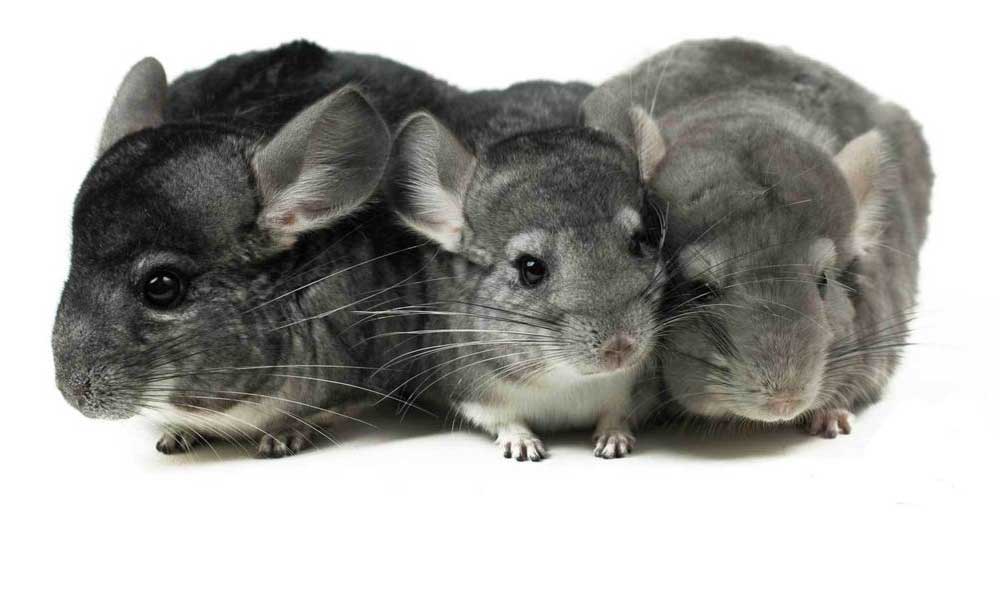
What Are Chinchillas and Who Needs One
A chinchilla is a small, herbivorous rodent prized for its incredibly dense fur and gentle temperament. Native to the Andes Mountains of South America, wild chinchillas live in colonies among rock crevices at high elevations in Chile, Bolivia, and Peru. These animals have been bred as companion pets since the early 1900s and are now a popular choice for pet parents who want a quiet, low-odor housemate. They are nocturnal, meaning they are most active in the evening and sleep during the day, which suits owners who work standard hours. The American Veterinary Medical Association notes that they can live 10 to 20 years with proper care, so they are a long-term commitment. These animals are a good fit for older children, apartment dwellers, and anyone who appreciates a pet that is clean, curious, and relatively independent.
What to Look For: Features and Buying Criteria
Age and temperament. A young chinchilla between eight weeks and six months of age tends to bond more easily with a new owner. Look for an alert animal that is curious but not overly skittish. Avoid any that sit hunched in a corner or show nasal discharge, which can signal illness.
Coat quality. Healthy fur should be uniformly dense with no bald patches or matted spots. Chinchillas have roughly 20,000 hairs per square centimeter, making their coat one of the densest among mammals. Thinning or missing patches of fur may indicate stress, fungal infection, or fur slip caused by rough handling.
Eyes, ears, and teeth. Clear, bright eyes and large, clean ears are signs of a healthy animal. The front teeth should be yellow-orange and evenly aligned. Overgrown or misaligned incisors can lead to serious feeding problems because chinchilla teeth grow continuously throughout their life.
Breeder or seller transparency. A reputable source will share the animal’s lineage, any known health issues, and details about diet and socialization. Ask whether the chinchilla has been kept with cage mates, since they are social animals that do best in pairs or small groups.
Cage and habitat setup. Before bringing one home, have a multi-level wire cage ready with solid-floor platforms, a dust bath container with fine pumice-based bathing dust, a water bottle, hay rack, and hiding spots. The cage should be kept in a cool, dry room away from direct sunlight because these animals are sensitive to heat and can overheat quickly in temperatures above 75 degrees Fahrenheit. Proper housing is just as important as selecting a healthy pet.
Diet and nutrition readiness. Stock up on high-quality timothy hay and species-specific pellets before bringing your new pet home. Access to food and fresh water should be available at all times. Avoid treats marketed for other rodents, as many contain sugars and fats that can cause digestive upset. A hay-based diet helps keep their continuously growing teeth worn to a healthy length.
What to Avoid When Buying Chinchillas
Impulse purchases without research. These pets live well over a decade and need temperature-controlled environments below 75 degrees Fahrenheit. Buying one on a whim often leads to rehoming within the first year when the novelty wears off and the care demands become clear.
Sellers who cannot provide a health history. Any seller or pet shop that refuses to discuss lineage, diet, or veterinary records is a red flag. Without a health background, you risk inheriting genetic issues like malocclusion or gastrointestinal sensitivity.
Overcrowded or dirty enclosures at the point of sale. If the display cage is cramped, soiled, or has multiple stressed animals competing for a single water bottle, the seller is not prioritizing animal welfare. Walk away and find a more responsible source.
Wild-caught or unverified-origin animals. Both the short-tailed chinchilla and the long-tailed chinchilla are near extinction in the wild. Purchasing a wild-caught animal is illegal in most jurisdictions and contributes to the decline of already endangered species. Always confirm the animal was captive-bred.
Where to Buy Chinchillas In Store
Petco
Petco stocks live chinchillas in many of its locations, though availability varies by store. You will find them in the small animals section alongside guinea pigs and other pocket pets. Call your local store before visiting because not every location keeps them in stock year-round. Check availability on the Petco site for care information and to see whether your nearest location carries them.
PetSmart
PetSmart carries both male and female chinchillas at participating stores. Look in the live small pets aisle, typically near hamsters and gerbils. PetSmart sources its animals from domestic breeders, so you can feel confident about the origin. Ask a store associate about the specific animal’s age and how long it has been in the store. Browse the PetSmart selection online to check pricing and availability near you.
Local Exotic Pet Shops
Independent pet stores that specialize in exotic or small animals often carry chinchillas and may offer better socialization than big-box chains. Staff at these shops tend to have hands-on experience with the species and can advise on diet, housing, and bonding. These stores may also carry harder-to-find supplies like volcanic pumice dust bath powder and specialized hay blends. Search for “exotic pet store near me” or “small animal shop” in your area and call ahead to confirm they have chinchillas in stock.
Where to Buy Chinchillas Online
Reputable Breeders
Buying directly from a breeder is often the best way to get a healthy, well-socialized pet chinchilla. Breeders can tell you about the animal’s parents, temperament, health history, and whether it has been handled regularly. The Chinchilla Club breeder directory lists verified breeders across the United States. Expect to pay anywhere from $150 to $350 depending on color mutation, age, and pedigree.
Adoption and Rescue Organizations
Thousands of unwanted animals end up in rescue centers each year, and adoption is a rewarding alternative to buying from a store. Adopted animals are typically older, already litter-trained, and accustomed to human care. Several rescue organizations maintain searchable databases:
Adoption fees generally range from $75 to $175, and many rescues include a health check and starter supplies.
Online Classifieds and Owner Rehoming
Sites like Hoobly and Craigslist occasionally list these pets from owners who can no longer keep them. Before purchasing from a private seller, ask why the animal is being rehomed, request health records, and arrange to meet the animal in person. Observe whether it appears alert, has clean dense fur, and responds to gentle handling without excessive fear. Shipping live animals carries stress risks, so local pickup is always preferable. Meet in a safe, neutral location when possible and bring a secure travel carrier for the trip home.
Top Picks
Best overall source: Chinchilla Club breeder directory. Connects you with experienced, verified breeders who can provide full pedigree details and health guarantees. Prices typically run $150 to $350 depending on color and lineage.
Best budget option: Adopt-a-Pet. Adoption fees range from $75 to $175 and often include a vet checkup. You also give a rescue animal a second chance at a loving home.
Best for convenience: Petco or PetSmart. Walk in, see the animal in person, and bring it home the same day. Pricing typically falls between $150 and $250 depending on location and color. Both chains source from domestic breeders and offer starter kits at the point of sale.
Best for experienced owners: Private breeders specializing in rare color mutations. If you want a specific coat color like violet, sapphire, or ebony, specialty breeders are the way to go. Expect higher prices, often $300 to $500 or more, but you get a hand-raised animal with documented genetics. Many specialty breeders also offer ongoing support and advice for the life of the pet.
Best for pairs: Local rescue organizations. Rescues frequently have bonded pairs available for adoption. Bringing home two animals that already know each other avoids the slow introduction process. Fees for a bonded pair typically run $125 to $250 total, which is significantly less than buying two separately from a breeder or pet store.
Frequently Asked Questions
Are chinchillas good pets?
Yes, they make excellent pets for the right household. They are quiet, nearly odorless, and can live 10 to 20 years with proper care. They do best in calm environments and are better suited for older children and adults who can handle them gently.
Do chinchillas like being held?
Most tolerate handling once they trust their owner, but they are not naturally cuddly animals. Start with short sessions and let the animal come to you. Forcing contact can trigger fur slip, a stress response where the animal releases a patch of fur to escape.
How much does a chinchilla cost?
Standard gray animals typically cost $150 to $250 at pet stores. Rare color mutations from specialty breeders can run $300 to $500 or more. Adoption fees are the most affordable option at $75 to $175. Budget an additional $200 to $400 for cage, bedding, food, and accessories.
What do chinchillas eat?
The primary diet should be high-quality timothy hay supplemented with chinchilla pellets formulated for their nutritional needs. Fresh grasses and hays should make up the bulk of what they consume. Avoid sugary fruits, seeds, and nuts, which can cause digestive problems including constipation.
Should chinchillas be kept in pairs?
Chinchillas are highly social animals that naturally live in colonies of up to 100 in the wild. Keeping at least two together is ideal, provided they are introduced gradually. Same-sex pairs or neutered mixed pairs work best to prevent unplanned litters.
Why do chinchillas need dust baths?
Their dense fur does not dry well when wet, so chinchillas clean themselves by rolling in fine pumice-based dust. A dust bath two to three times per week helps remove oils and moisture, keeping the coat healthy and preventing fungal growth. Never bathe a chinchilla in water.
About This Guide
Reviewed by the wheretobuyguides.com editorial team. Our small-pet coverage draws on breeder interviews, rescue organization consultations, and hands-on ownership experience. Last updated: March 2026.
Whether you shop in store at Petco or PetSmart, adopt from a rescue, or connect with a private breeder, finding the right chinchilla is worth taking the time to research. A healthy, well-socialized animal from a responsible source will reward you with years of quiet companionship.