
Chickpea pasta has gone from a niche health-food find to a mainstream grocery staple in just a few years. Made from ground garbanzo beans, this legume-based alternative delivers more protein and fiber than traditional wheat pasta while staying naturally free of gluten and suitable for a vegan diet. Whether you follow a specific eating plan or simply want a more nutritious noodle, knowing where to buy the right product and what to look for before you order saves time and money. This guide covers in-store and online options, the top brands worth trying, and the buying mistakes that cost shoppers the most.
This page contains affiliate links. We may earn a commission at no extra cost to you.
What Is Chickpea Pasta and Who Is It For?
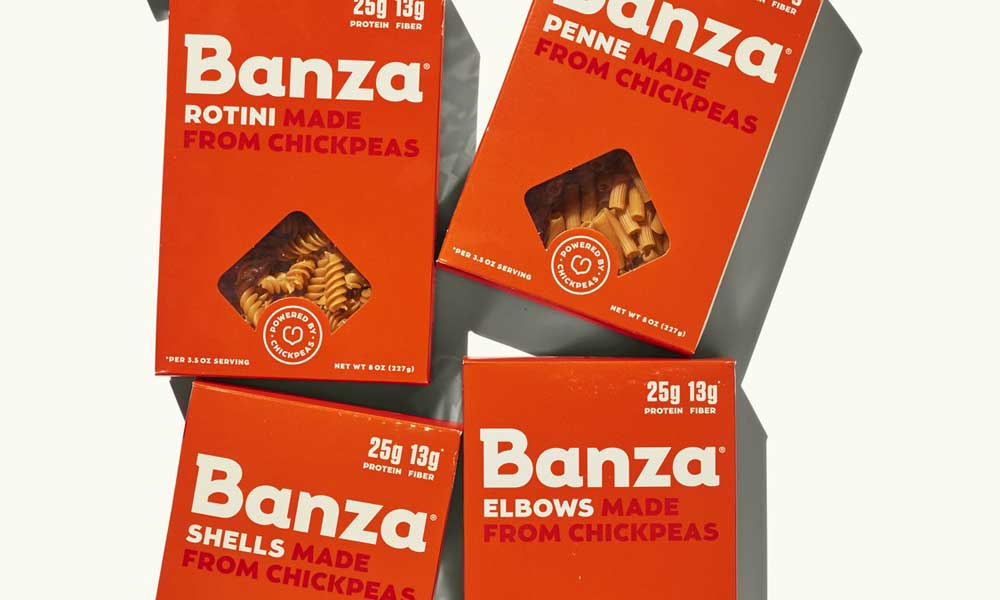
Chickpea pasta is a dry product made from garbanzo beans that have been milled into flour and shaped into familiar forms like penne, rotini, elbows, and spaghetti. Most brands bind the flour with a small amount of tapioca starch or lentil flour to improve texture and hold. Because it skips wheat entirely, it suits people managing celiac disease, sensitivity to gluten, or a low-glycemic diet. It also appeals to anyone looking for a higher-protein, higher-fiber alternative to conventional noodles. According to the American Diabetes Association, legume-based foods are encouraged as part of a balanced eating plan because of their low glycemic index and high nutrient density. Athletes, parents looking for kid-friendly protein sources, and anyone reducing refined carbohydrates are the core audience.
What to Look For: Features and Buying Criteria
Ingredient list length. The best options keep it simple: the base flour and maybe one binder like tapioca or pea protein. If the label lists more than three or four ingredients, the product is likely a blend that dilutes the protein and fiber content you are paying a premium for.
Protein per serving. A quality option delivers 14 to 25 grams of protein per two-ounce dry serving. Brands like Banza typically land around 13 to 14 grams, while Tolerant and Chickapea push closer to 20 grams depending on the shape. Compare labels before committing to a bulk purchase.
Shape and cooking behavior. Shorter shapes like penne, elbows, and rotini hold up better during cooking than long forms. These noodles can turn mushy if overcooked, so shapes with more surface area tend to perform best when cooked al dente. Check the package instructions for recommended cook times, which are usually one to two minutes shorter than wheat-based equivalents.
Certifications. Look for a certified wheat-free label if you have celiac disease. Not every product processed in a shared facility tests below the 20 ppm threshold. USDA Organic and Non-GMO Project Verified seals are common in this category and worth checking if those matter to you.
Taste and texture. This product has a slightly nutty, earthy flavor compared to traditional semolina. Some brands mask this more effectively than others. Banza tends to taste closest to conventional options, and Barilla now offers its own line in this category. If texture matters, look for reviews mentioning how well the product holds a sauce.
What to Avoid When Buying
Buying based on marketing claims alone. Terms like “plant-powered” or “superfood” are not regulated. Flip the box over and read the nutrition panel. Some products marketed under this category are actually blends with corn or rice flour as the primary ingredient, with the featured ingredient listed third or fourth.
Overcooking. This is the single biggest complaint in buyer reviews. These noodles go from al dente to mush in about sixty seconds. Always set a timer and test one minute before the low end of the suggested range. Drain immediately and toss with sauce or a drizzle of olive oil to stop the cooking process.
Ignoring the foam. This product releases starchy foam when boiled. Use a large pot of salted water and stir frequently during the first two minutes. The foam is harmless, but it can cause boil-overs if you are not watching.
Assuming all shapes taste the same. Different shapes from the same brand can have noticeably different textures. Shells and elbows tend to be chewier, while spaghetti and thin cuts can feel gummy. Try a single box of a new shape before buying a case.
Where to Buy Chickpea Pasta In Store
Grocery Stores
National chains including Whole Foods, Giant, Wegmans, and Acme typically stock this product in the natural foods aisle or the dedicated specialty diet section. If you do not see it alongside conventional options, ask a team member – some stores shelve it separately. Selection varies by location, but Banza and Explore Cuisine are the brands most commonly found on major grocery shelves.
Target
Target carries multiple Banza varieties in most locations. Check their selection online to confirm availability at your nearest store before making the trip. Online orders may require a minimum purchase for shipping, so adding a box to an in-store pickup order is often the easier route.
Walmart
Browse their current stock here. Walmart shelves these options in both the regular aisle and the health food section, depending on the store layout. Third-party sellers on Walmart.com often list bulk packs with free shipping, which can bring the per-box cost closer to conventional pricing.
Warehouse Clubs
Sam’s Club periodically carries large-format packs at a solid per-ounce price. Costco rotates its natural foods selection by region, so availability is not guaranteed. BJ’s Wholesale Club members should check the health and wellness aisle or ask a manager about upcoming inventory.
Health Food and Supplement Stores
Specialty retailers like GNC and Vitacost carry this product alongside other high-protein foods. Local health food co-ops may also stock it in bulk bins, which lets you buy a small amount to try before committing to a full case. Call ahead to confirm stock at smaller independent shops.
Where to Buy Chickpea Pasta Online
Amazon
Amazon offers the widest selection of brands in one place. Search under “Grocery and Gourmet Food” to filter out non-food results. Browse the full selection on Amazon #ad. Subscribe and Save discounts typically knock 5 to 15 percent off recurring orders, and Prime members get free two-day shipping on most listings. Multi-packs of Banza, Tolerant, and Explore Cuisine are commonly available.
eBay
For bulk buying at a discount, check eBay listings. You can find double, triple, and higher multipacks of standard 8-ounce boxes, plus variety bundles that include several shapes in one order. Compare per-ounce pricing carefully, as some auction listings cost more than retail once shipping is added.
Brand Websites
For direct ordering, recipe ideas, and store locators, visit the Banza and Chickapea websites. Both brands occasionally run promo codes for first-time buyers and offer subscription options. Brand sites are also the best place to check the full product lineup, including limited-edition shapes and new flavors that have not reached retail shelves yet.
Top Picks: Best Brands to Try
Best overall: Banza Chickpea Pasta. The most widely available brand and the one most often recommended in taste tests. Banza holds its shape well, has a mild flavor that pairs with any sauce, and delivers about 14 grams of protein per serving. Around $3 to $4 per box at most retailers.
Best for high protein: Tolerant Organic. Made from a single ingredient – organic bean flour – with 21 grams of protein per serving. The texture is slightly firmer, which works well in hearty dishes with bold sauces. Around $4 to $5 per box.
Best for kids: Chickapea. This brand uses a blend of bean and lentil flour, which results in a smoother texture that picky eaters tend to accept more easily. The mac and cheese variety is a popular entry point. Around $3 to $4 per box.
Best mainstream option: Barilla. A familiar name in the aisle, their bean-based line tastes close to conventional products. Easier to find at traditional grocery stores that may not carry specialty brands. Around $2 to $3 per box.
Best variety: Explore Cuisine. Offers unique shapes and organic options, including a spaghetti and a fusilli made entirely from bean flour. Around $3 to $5 per box depending on the shape and retailer.
Frequently Asked Questions
Is this type of pasta healthier than the traditional kind?
Per serving, most options in this category contain roughly twice the protein and three to four times the fiber of standard wheat pasta, with fewer net carbohydrates. It is a strong choice for anyone managing blood sugar levels or looking to increase plant-based protein intake. That said, both types fit into a balanced diet when portion sizes are reasonable.
Does it taste like traditional pasta?
Not exactly. Expect a mild, nutty undertone that differs from traditional semolina. Brands like Banza come closest to the conventional taste and texture. Pairing with a bold sauce – tomato-based, pesto, or garlic-forward – helps mask any flavor differences.
Is this product safe for a wheat-free diet?
Most brands are naturally free of wheat because they use bean flour as the sole grain substitute. However, not all products carry a certified seal. If you have celiac disease, look for packaging that confirms the product tests below 20 parts per million.
Why does this type of pasta cause bloating or gas?
Garbanzo beans are high in fiber and contain oligosaccharides, a type of carbohydrate that can cause digestive discomfort in some people. Starting with a smaller portion and increasing gradually gives your gut time to adjust. Rinsing the cooked noodles under water can also reduce some of the starch that contributes to bloating.
Can you use this product in cold salads?
Yes, but texture matters more in cold applications. Shorter shapes like elbows and rotini hold up better than spaghetti when chilled. Cook to al dente, rinse under cold water immediately, and toss with dressing right away to prevent sticking.
About This Guide
Reviewed by the wheretobuyguides.com editorial team. Our recommendations are based on product research, label analysis, and a review of current retail availability across major U.S. retailers. Last updated: March 2026.
Whether you grab a box at your local grocery store or order a case online, the right chickpea pasta is worth taking the time to find. Start with a single box from a brand listed above, follow the package instructions closely to avoid overcooking, and build from there once you find the shape and brand that fits your kitchen best. For the best value on repeat purchases, consider a subscription through Amazon or buying in bulk through a warehouse club. Store opened boxes in an airtight container in a cool, dry place and they will keep for months. With more retailers stocking this product every year, finding a reliable source near you has never been easier.