
Beet juice has gone from a niche health drink to a mainstream staple found in grocery stores, pharmacies, and major online retailers across the country. Whether you are looking for a way to support heart health, boost exercise stamina, or simply add more nutrient-dense beverages to your routine, knowing where to buy the right product matters. Not every bottle on the shelf delivers the same quality, and not every retailer stocks the same selection. This guide walks you through what to look for, which stores carry it, and how to avoid the most common buying mistakes.
This page contains affiliate links. We may earn a commission at no extra cost to you.
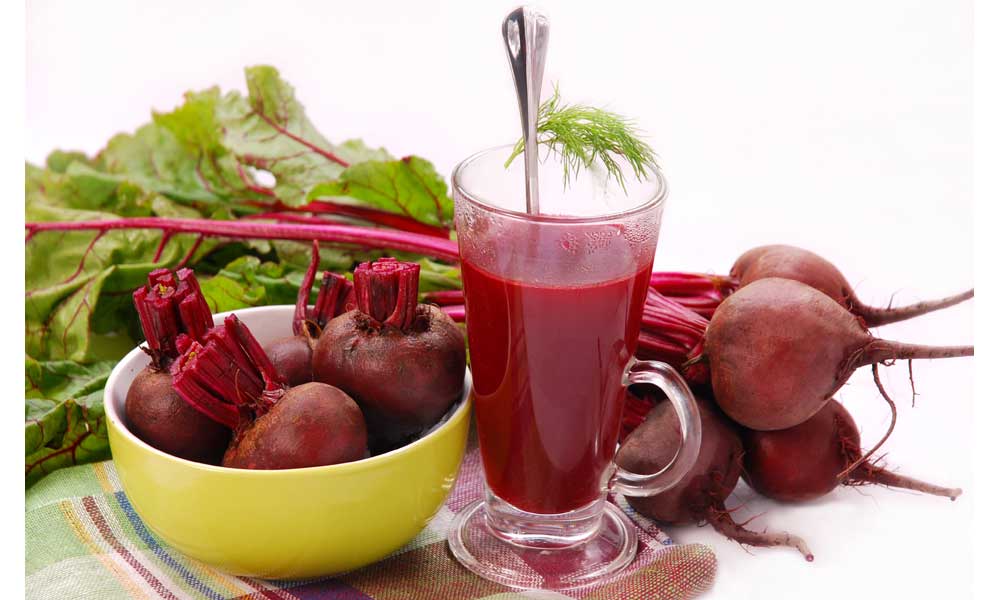
What Is Beet Juice and Who Benefits from It
Beet juice is a deep red beverage pressed or extracted from raw beets, also known as beetroot. It is naturally rich in nitrate, potassium, vitamin C, and folate. The body converts nitrate into nitric oxide, a compound that relaxes blood vessels and supports healthy blood flow. Research published by the American Heart Association suggests that drinking beet juice may help lower blood pressure in adults with hypertension, making it a popular choice among people managing cardiovascular concerns.
Athletes and active adults also turn to this beverage for its potential to improve endurance and exercise stamina. Beyond fitness, anyone looking to increase their daily intake of fruits and vegetables through a convenient liquid form can benefit from adding beetroot juice to a morning smoothie or drinking it on its own.
What to Look For: Features and Buying Criteria
Ingredient purity. The label should list this vegetable as the only ingredient. A pure product contains no added sugar, artificial flavoring, or preservative fillers. Some brands dilute with apple or lemon to soften the earthy taste, which is fine if you prefer that, but check the percentage of actual root vegetable content before buying.
Organic certification. If avoiding pesticide residue matters to you, look for a USDA certified organic seal. Brands like Lakewood Organic and Beet It carry this certification, confirming their organic roots meet federal standards.
Concentrate vs. not from concentrate. Juice made from concentrate is reconstituted with water after processing, which can reduce nutrient density. Not-from-concentrate options retain more of the natural vitamins and antioxidant compounds found in the fresh vegetable.
Nitrate content. If you are buying for blood pressure or sports nutrition purposes, check whether the label discloses nitrate levels. Some products are specifically formulated as performance supplementation for athletes and list the milligrams per serving.
Packaging and shelf life. Glass bottles preserve flavor better than plastic, but plastic is lighter for shipping. Shelf-stable bottles work well for stocking up, while refrigerated varieties often taste fresher. Check the expiration date, especially when buying in bulk.
Serving size and format. Single-serve shots (around 2.4 to 8.5 fl oz) work well for daily supplementation. Larger 32 oz bottles are more economical for regular use or for mixing into recipes and smoothies.
What to Avoid When Buying Beet Juice
Confusing liquid products with powder or capsules. Online retailers list beverages, capsules, and powder under the same search results. These are different products with different uses. Capsules and powder supplements are not the same as a drinkable product and may not deliver the same nutrient profile or taste experience.
Ignoring the sugar content. Some blended beverages marketed as vegetable drinks contain significant added sugar or are mixed with sweeter fruit concentrates. Read the nutrition facts panel and look for products free from any added sugar.
Buying based on color alone. A deep red color does not guarantee quality. Some products use coloring in beverages that contain very little actual vegetable content. Always check the ingredient list rather than relying on appearance.
Overlooking medications and existing conditions. This beverage can interact with blood pressure medication and may affect kidney function in people prone to oxalate kidney stones. If you have a chronic condition, consult your doctor before starting a daily regimen. This is especially important for anyone already taking medication for lowering blood pressure.
Where to Buy Beet Juice In Store
Walmart
Walmart carries several brands both in store and online. Look in the health beverage aisle near the organic section. Great Value Organic 100% Beet Juice is their house brand and comes in a 32 fl oz bottle at a competitive price. Larger Walmart Supercenters typically stock more variety than smaller Neighborhood Market locations, so call ahead if you need a specific product. You can also browse their full selection online and choose store pickup or delivery.
Target
Target carries a limited selection, primarily the Suja Sweet Beets Organic Juice line. You will find it in the refrigerated section near the produce department. The range is smaller than what Walmart or specialty stores offer, but if you are already shopping at Target for other groceries, it is a convenient option to grab a bottle while you are there.
Grocery Chains and Health Food Stores
Kroger, Whole Foods, Sprouts, and Trader Joe’s typically stock at least one brand of pure beetroot juice. Check the natural foods aisle or the refrigerated juice cooler near produce. Health food stores and co-ops often carry raw, cold-pressed options that larger chains may not stock. Publix locations in the Southeast also carry this product in the organic section.
Where to Buy Beet Juice Online
Amazon
Amazon offers the widest selection available anywhere. You will find single bottles, bulk cases (a pack of 12 is common), concentrated shots, and flavored blends. Use the filters on the left side of the search results to narrow by dietary preference – certified organic, non-GMO, vegan, or gluten-free. Read product descriptions carefully, because results also return powder, capsules, and dietary supplements that are not a drinkable product. Check the reviews for notes on earthy flavor intensity, since some brands taste much stronger than others. Shop the full selection on Amazon #ad.
Beet It (beet-it.us)
Beet It is one of the most recognized names in the beetroot juice category. Their products are all natural, GMO-free, and not from concentrate. They offer bottles in both glass and plastic, and their sport-focused shots are popular with athletes looking for a pre-workout nitrate boost. The brand does not sell directly from their website, but they provide a store locator tool that helps you find a local or online retailer carrying their products. They also offer guidance on how to request your local store start stocking their line.
Brand Websites and Specialty Retailers
Lakewood Organic, Biotta, and R.W. Knudsen all sell directly through their own websites or through specialty health retailers like Vitacost and Thrive Market. These are good options if you want a specific brand that your local stores do not carry, or if you prefer to buy in bulk at a discount. Subscription options are available on several of these sites, which can lower the per-bottle cost and ensure regular delivery.
Top Picks: Best Beet Juice Products
Best overall: Lakewood Organic Pure Beet Juice. Made from organic roots with no additives, this cold-pressed product has a clean, earthy flavor without being overpowering. The 32 oz glass bottle runs around $7 to $10. A good source of potassium and naturally occurring antioxidant compounds.
Best for athletes: Beet It Sport 400 Shot. Each 2.4 fl oz shot delivers a concentrated dose designed to support blood circulation and exercise performance. Sold in packs of 15 or 30. Around $2 to $3 per shot. Popular in sports performance circles for pre-workout use.
Best budget: Great Value Organic 100% Beet Juice. Walmart’s store brand offers solid quality at the lowest price point – usually around $4 to $6 for 32 fl oz. Made from concentrate, so the density of nutrients is slightly lower than cold-pressed options, but it is a practical daily choice.
Best flavor blend: Suja Sweet Beets Organic Juice. Combines root vegetable with apple, lemon, and ginger to smooth out the earthy taste. A good entry point if you are new to this category and want something more approachable. Around $4 to $6 per bottle at Target and other retailers.
Best for convenience: R.W. Knudsen Just Beet Juice. Widely available at grocery chains and online. Clean ingredient list with no added sugar or artificial preservative. Around $6 to $9 for 32 fl oz. A reliable option that is easy to find at most stores.
Frequently Asked Questions
What does beet juice do for your body?
The nitrate in this beverage converts to nitric oxide in the body, which relaxes blood vessels and may help lower blood pressure. It also delivers antioxidant compounds, vitamin C, potassium, and folate. Some research suggests it supports improved blood flow during exercise, which is why athletes use it as a natural performance aid.
Is there a downside to drinking beet juice?
It is high in oxalates, which may contribute to kidney stones in susceptible individuals. It can also temporarily turn urine or stool red, which is harmless but can be alarming. People on blood pressure medication should talk to their doctor, since beetroot products may amplify the effects of lowering blood pressure drugs.
Is beet juice the same as beetroot juice?
Yes. They refer to the same product. The term “beetroot” is more common in the UK and in scientific literature, while the shorter form is the standard American usage. When shopping, both terms will lead you to the same beverages.
How much beet juice should you drink per day?
Most studies on the health benefits use around 8 to 16 fl oz per day, or one concentrated shot. Starting with a smaller amount lets you gauge how your body responds to the flavor and the digestive effects. There is no official recommended daily amount, so adjust based on your goals and tolerance.
Should beet juice be refrigerated after opening?
Yes. Once opened, it should be stored in the refrigerator and consumed within five to seven days. Shelf-stable bottles are fine in the pantry before opening, but refrigerated cold-pressed varieties must stay cold at all times. Check the label for specific storage instructions from the manufacturer.
About This Guide
Reviewed by the wheretobuyguides.com editorial team. Health-related claims in this guide are based on published research and should not replace professional medical advice. If you have questions about how this beverage may affect a specific health condition, consult a qualified healthcare provider. Last updated: March 2026.
Whether you pick up a bottle at your local Walmart, grab Suja Sweet Beets from the refrigerated case at Target, or order a case from Amazon, finding the right beet juice is worth taking the time. Start with a pure, no-sugar-added option, pay attention to how it fits your taste and your wellness goals, and you will get the most out of this nutrient-packed beverage.