
Whether you are celebrating your first Hanukkah or replacing a family heirloom, finding the right menorah takes a little more thought than grabbing the first one you see on a shelf. A menorah is the centerpiece of the eight-day Festival of Lights, and knowing where to buy one that matches your style, budget, and traditions can save you from a disappointing purchase. This guide walks you through the best places to shop, the features that matter, and the mistakes that trip up first-time buyers every holiday season.
This page contains affiliate links. We may earn a commission at no extra cost to you.
What Is a Menorah and Who Needs One?
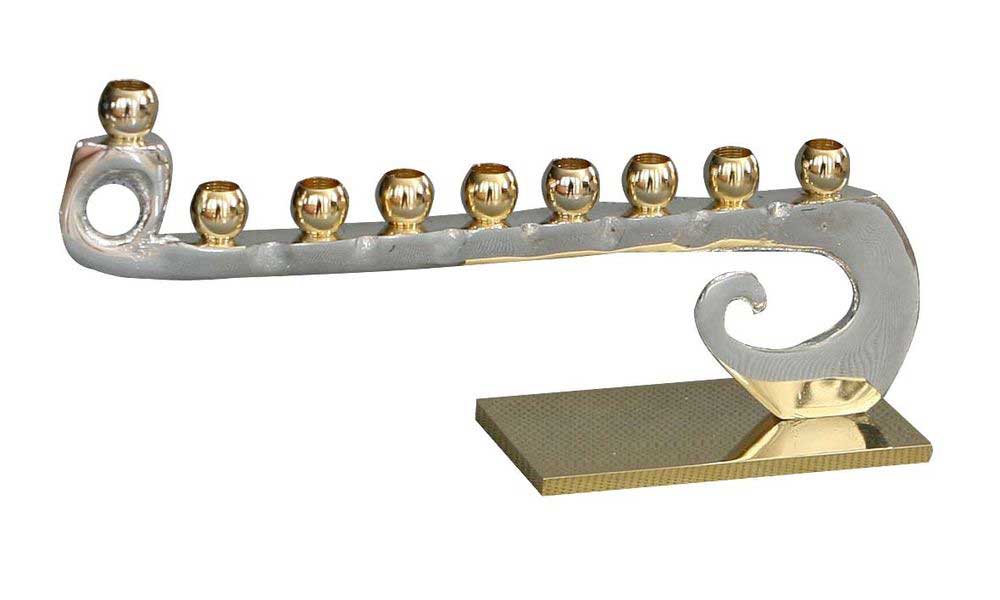
A menorah in the context of Hanukkah is technically called a hanukkiah, a nine-branched candelabra used during the Jewish holiday that commemorates the rededication of the Second Temple in Jerusalem. Eight branches represent the eight days that a small amount of pure oil miraculously kept the Temple lamp burning, while the ninth branch, called the shamash or helper candle, is used to light the others. The tradition of kindling the menorah each night is observed by Jewish families worldwide, and many non-Jewish households also display one as a symbol of religious solidarity or cultural appreciation. According to the Talmud, every Jewish household is expected to have at least one menorah, and many families keep several for different members of the home. If you are looking for a meaningful addition to your holiday observance or a gift for someone who celebrates, a quality menorah is a purchase worth getting right.
What to Look For: Features and Buying Criteria
The first decision is the number of branches. A nine-branched version is used for the holiday, while the traditional seven-branched menorah is a Jewish symbol rooted in Torah descriptions of the ancient Temple lampstand. Make sure you are buying the correct type for your intended use.
Material and durability. Menorahs are made from a wide range of materials. Sterling silver is the most traditional and can last generations, but prices start around $100 and climb well past $2,000 for hand-crafted Israeli designs. Brass and copper offer a warm, vintage look at a fraction of the cost. Aluminum and pewter are lightweight and budget-friendly. Ceramic and glass menorahs can be artistic showpieces, while acrylic models appeal to families with young children because they resist breakage.
Candle holders versus oil cups. Some menorahs accept standard Hanukkah candles, while others are designed for oil wicks. Oil-burning versions are closer to the original Hebrew tradition, but wax-based models are far easier to use and clean. Check that the holders are the right diameter for standard-size Chanukah candles, which are typically 3/8-inch wide.
Stability and safety. A menorah needs to stand steady on a flat surface while candles burn for at least 30 minutes each night. Heavier bases in metal or stone are more stable. If you have children or pets, look for models with a wide footprint and consider placing it on a fireproof tray.
Electric versus traditional. Electric menorahs use small bulbs instead of flames. They are safe for hospital rooms, dorm windows, and homes where open flames are not permitted. However, Jewish law generally holds that an electric version does not fulfill the mitzvah of lighting, so most observant families keep a traditional flame-lit option as well.
Size and display. These items range from tabletop models under six inches tall to large floor-standing pieces. Window-display styles are popular because the tradition encourages placing the lit lampstand where it is visible from outside, publicizing the miracle of the oil.
What to Avoid When Buying a Menorah
Confusing a seven-branched design with a nine-branched one. The seven-branched candelabra is a symbol of the ancient Temple in Jerusalem and of the modern State of Israel. It is not the correct piece for Hanukkah observance, which requires nine branches. Many imported decorative models have seven branches, so count carefully before purchasing.
Cheap holders that do not grip. Inexpensive models sometimes have holders that are too wide for standard candles, causing them to lean or fall. Dripping wax and tilting flames are a real fire hazard. Test the fit before your first lighting.
Ignoring the shamash height. The shamash, or servant candle, should sit higher or lower than the other eight candles so it is visually distinct. Some poorly designed products place all nine holders at the same height, which does not meet traditional requirements.
Buying too late in the season. Hanukkah dates shift each year on the Gregorian calendar, falling anywhere from late November to late December. Specialty Judaica shops and online retailers see their best stock sell out weeks before the first night. Order early, ideally by mid-November, to get the widest selection and avoid rush shipping fees.
Falling for counterfeit silver. If you are paying for sterling silver, verify the hallmark. Some sellers market silver-plated items as solid silver. Buy from reputable Judaica dealers or established retailers to protect your investment.
Where to Buy a Menorah In Store
Israel’s Judaica Center in Toronto
This well-known Toronto shop specializes in authentic Judaica products and carries high-end options, including hand-crafted sterling silver pieces from Israeli artisans. Prices for their premium offerings can exceed $2,000, reflecting the craftsmanship and materials involved. The selection is curated rather than large, but every piece is authentic and high quality. Call ahead to ask about specific styles or to reserve a piece before making the trip. You can check their Yelp listing for hours and directions.
Levine Judaica in New York City
Levine Judaica currently stocks over 475 styles, making it one of the largest brick-and-mortar selections in North America. Prices range from around $10 for simple aluminum models to several thousand dollars for ornate silver designs. They also carry Hanukkah candles, dreidels, and other holiday supplies, so you can get everything in one visit. Browse their catalog online to preview what is available before visiting.
Local Jewish Supply Stores Near You
Most larger cities in the United States and Canada have at least one Judaica shop or synagogue gift store. These local stores often carry products that reflect regional artisan traditions and can advise you on proper sizing and style for your observance level. Search for your city name plus “Judaica store” or “Jewish gift shop” to find options nearby. Shopping locally also lets you support your community and inspect the piece in person before buying.
Big-Box and Department Stores
During the Hanukkah season, retailers like Walmart and Target occasionally stock basic options and candle sets in their seasonal holiday aisle. The selection is limited compared to a dedicated Judaica shop, but it can work in a pinch if you need something affordable and fast. Stock appears in stores starting in late October or early November, so check early.
Where to Buy a Menorah Online
Amazon
Amazon carries thousands of options at every price point, from basic aluminum candle holders under $15 to artisan-crafted silver pieces in the hundreds. Use the filter tools to narrow by material, price range, and customer rating. If you have Amazon Prime, filter by Prime-eligible items for free two-day shipping. Order well in advance of the first night in case the item arrives damaged or does not match the listing photos, giving yourself time to exchange it.
eBay
eBay is an excellent source for vintage and antique pieces that you will not find in traditional retail stores. Collectors can find brass and copper vintage items starting around $33, while rare silver and gold antiques can reach into the hundreds. eBay also accepts PayPal, which is useful for buyers who prefer not to use a credit card directly. Look for sellers with high feedback ratings and clear return policies. Buying from Israeli sellers lets you get an authentic piece directly from the country of origin and support Israeli artisans at the same time.
Specialty Judaica Websites
Sites like Judaica Webstore, ajudaica.com, and the online shops of major Judaica retailers carry curated selections with detailed product descriptions, material certifications, and customer reviews. These are especially useful if you want a certified sterling silver piece or a specific Israeli brand. Shipping times vary, so order early in the season.
Top Picks for Buying a Menorah
Best Overall: Traditional Brass Hanukkah Menorah. A classic nine-branched brass piece with a wide stable base. Brass develops a warm patina over the years and is easy to polish. Expect to pay around $25 to $60 depending on size and detail. Available on Amazon and at most Judaica shops.
Best Budget: Aluminum Candle Menorah. Simple, lightweight, and functional. Aluminum models start under $10 and work well for college students, first apartments, or children learning the holiday lighting tradition. Levine Judaica and Amazon both carry a wide range at this price point.
Best for Display: Hand-Painted Ceramic Menorah. Ceramic designs from Israeli artists often feature vivid glazes and sculptural forms inspired by the Holy Land. Prices range from $40 to $150. These double as year-round art pieces for your living room. Look for them on specialty Judaica websites or at local Judaica stores.
Best Premium: Sterling Silver Menorah from Israel. For families who want a generational heirloom, a hand-crafted sterling silver piece is the gold standard. Prices start around $200 for smaller models and climb well past $2,000 for large, ornate designs. Israel’s Judaica Center in Toronto and Levine Judaica in New York carry excellent selections.
Best for Safety: Electric Menorah. An electric model with LED bulbs is the best choice for dorm rooms, hospital visits, or homes where open flames are not safe. Models range from $15 to $50. Note that most rabbinical authorities say an electric version does not fulfill the religious obligation, so observant families typically use it alongside a traditional one.
Frequently Asked Questions
Are there 7 or 9 candles on a menorah?
It depends on the type. The ancient seven-branched version described in the Torah was used in the Temple in Jerusalem and is a symbol of Judaism and the State of Israel. The Hanukkah menorah, also called a hanukkiah, has nine branches: eight for each night of the festival of Hanukkah plus one additional candle called the shamash that is used to kindle the others.
What is the difference between a menorah and a hanukkiah?
The word broadly refers to any candelabra, but in Jewish tradition it most often means the seven-branched candelabra from the Temple. A hanukkiah is specifically the nine-branched version lit during the eight days of Chanukah. In everyday conversation, most people use the term to mean either one, so check the branch count to make sure you are buying the right item.
Can I use an electric menorah for Hanukkah?
Electric versions are popular for window displays and safety-sensitive locations. However, according to most interpretations of Jewish law, the mitzvah requires an actual flame. Families who want both convenience and observance often place an electric model in the window and light a traditional oil or candle version at the table.
Should a menorah be gold or silver?
There is no religious requirement for a specific metal. The Maccabees originally used whatever materials were available. Silver is the most traditional choice for a high-quality piece, while gold-toned brass and copper are popular alternatives. Choose based on your budget and home decor preferences rather than any religious rule.
Does insurance or a warranty cover a menorah?
Most retailers offer standard return policies if the item arrives damaged. For high-value sterling silver pieces, some specialty Judaica dealers provide certificates of authenticity and craftsmanship guarantees. Homeowners or renters insurance may cover a valuable piece as personal property, but check your policy for coverage limits on collectibles.
Our Editorial Commitment
Reviewed by the wheretobuyguides.com editorial team. Our recommendations are based on product research, retailer verification, and community feedback from buyers across North America. Last updated: March 2026.